
There’s nothing more frustrating than pulling a freshly washed towel from the dryer only to be greeted by a damp, earthy, musty odor—especially when you’re certain you cleaned it properly. Towels should feel soft, fresh, and clean, not like they’ve been left in a basement for weeks. The truth is, even with regular washing, towels can develop persistent mildew-like smells due to trapped moisture, detergent buildup, or bacteria growth. This guide dives into the root causes of musty-smelling towels and provides practical, science-backed laundry hacks to restore freshness and prevent recurrence.
The Science Behind Musty Towel Odors
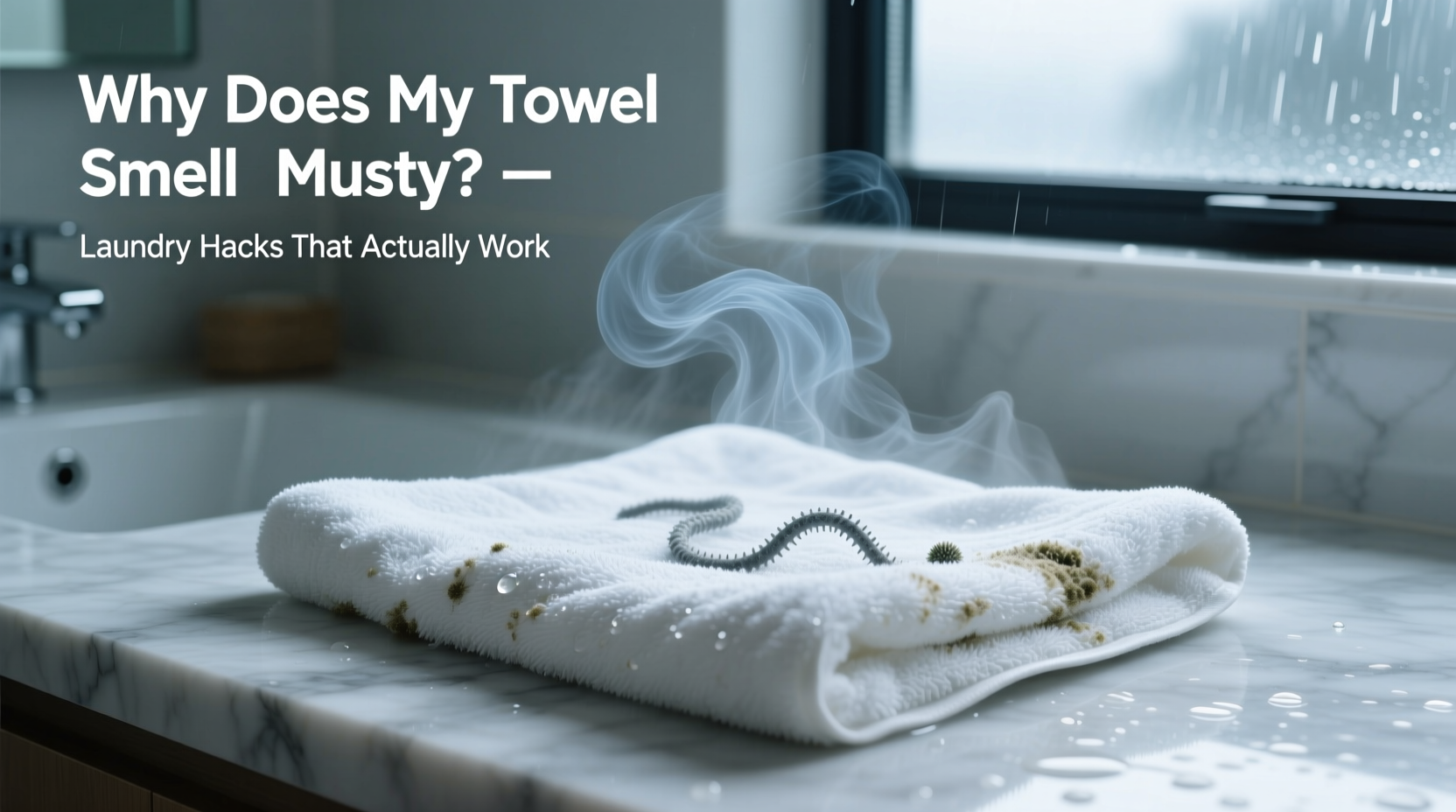
Towels are designed to absorb moisture, which makes them ideal breeding grounds for bacteria and mold if not dried properly. When microorganisms such as Chryseobacterium or Pseudomonas thrive in damp fibers, they break down organic matter (like dead skin cells, sweat, and body oils) and release volatile organic compounds (VOCs) that produce unpleasant, musty odors. These microbes don’t always die during a standard wash cycle, especially in cold water or low-detergent conditions.
Additionally, modern high-efficiency (HE) washing machines use less water, which can leave behind detergent residue and biofilm—a slimy layer of bacteria—in both the drum and the fabric. Over time, this residue traps moisture and creates an environment where odors flourish. Even towels that appear dry can retain hidden humidity deep within their loops, especially if stored too soon after drying.
“Musty towel odors are rarely about dirt—they’re about microbial activity in humid environments. Proper drying and periodic deep cleaning are essential.” — Dr. Lena Torres, Microbiologist & Textile Hygiene Researcher
Common Causes of Post-Wash Towel Smell
Understanding the root cause is half the battle. Below are the most frequent culprits behind lingering mustiness:
- Incomplete drying: Leaving towels bunched up in the washer or folding them while still slightly damp encourages mold growth.
- Detergent overload: Excess soap doesn’t rinse out fully, coating fibers and trapping moisture and bacteria.
- Washing machine mold: Front-loaders, in particular, accumulate moisture in rubber gaskets and drain pumps, spreading spores to clean loads.
- Low washing temperature: Cold water cycles may not kill odor-causing bacteria effectively.
- Overuse of fabric softener: It coats cotton fibers, reducing absorbency and creating a sticky surface for grime buildup.
- Poor ventilation in storage: Bathrooms with no windows or airflow keep humidity high, reactivating dormant microbes.
Proven Laundry Hacks to Eliminate Musty Smells
Standard washing often isn’t enough. To truly reset smelly towels, you need targeted strategies that remove residue, kill microbes, and restore absorbency. Try these tested methods in rotation every 4–6 weeks—or sooner if odors persist.
1. Vinegar Soak Method
White vinegar is a natural disinfectant and deodorizer. Its acetic acid breaks down mineral deposits, dissolves soap scum, and lowers pH to inhibit bacterial growth.
- Add 1 cup of distilled white vinegar to a basin or bathtub filled with warm water.
- Submerge towels completely and let soak for 30–60 minutes.
- Transfer to the washing machine and wash on hot (if fabric allows) with ½ cup baking soda—no detergent.
- Dry thoroughly on high heat.
2. Baking Soda Deep Clean
Baking soda neutralizes odors and lifts greasy residues without damaging fibers.
- Run a hot water cycle with 1 cup of baking soda added directly to the drum (skip detergent).
- Pause the cycle after it fills and agitates, then let towels soak for 1–2 hours.
- Resume and complete the wash, followed by a thorough dry.
3. Hydrogen Peroxide + Detergent Boost
For white or colorfast towels, add ½ cup of 3% hydrogen peroxide with your regular detergent in the wash. It acts as a gentle bleach alternative and kills odor-causing microbes on contact.
4. Monthly Machine Maintenance
Your washer could be the source. Run an empty hot cycle monthly with 1 cup of vinegar or a dedicated washing machine cleaner to sanitize the drum, hoses, and pump.
| Hack | Best For | Frequency | Notes |
|---|---|---|---|
| Vinegar Soak | All cotton towels | Every 4–6 weeks | Avoid with silk or wool blends |
| Baking Soda Wash | Heavy buildup, dull towels | Monthly | Improves fluffiness |
| Hydrogen Peroxide Boost | White towels with stains/odors | As needed | Test colorfastness first |
| Hot Water Rinse Only | Mild cases | Biweekly | No detergent; removes residue |
Step-by-Step Routine to Prevent Future Odors
Prevention beats correction. Follow this weekly-to-monthly maintenance plan to keep towels consistently fresh:
- Wash in hot water (within care limits): Use 40–60°C (104–140°F) for cotton towels to kill bacteria. Always check labels.
- Use the right detergent amount: Measure precisely—overdosing is a major cause of residue. HE machines typically need just 1–2 tablespoons.
- Omit fabric softener: Replace with ¼ cup white vinegar in the rinse cycle to soften naturally and reduce static.
- Avoid overloading: Crowded drums reduce friction and rinsing efficiency. Leave space for water circulation.
- Dry completely: Tumble dry on medium-high heat until bone dry. If line-drying, hang in direct sunlight and flip halfway through.
- Rotate towel usage: Use 2–3 sets and allow each to fully dry between uses. Never reuse a damp towel.
- Store wisely: Keep in a well-ventilated linen closet or on open hooks. Avoid sealed cabinets in humid bathrooms.
Real Example: How Sarah Fixed Her Smelly Towels
Sarah, a busy mom of two in Portland, noticed her family’s towels had developed a sour, locker-room-like smell despite weekly washing. She used a front-loading HE washer, eco-friendly detergent, and always dried on high heat. Still, the odor returned within days.
After researching, she realized her detergent was leaving residue and her machine’s rubber seal was growing black mold. She took action: she soaked all towels in a vinegar bath, ran a bleach cycle to clean her washer, switched to half the recommended detergent dose, and stopped using fabric softener. Within two weeks, the smell vanished. “I had no idea my ‘green’ habits were backfiring,” she said. “Now my towels smell like sunshine again.”
Checklist: Towel Freshness Maintenance Plan
Keep this checklist handy for consistent results:
- ✅ Wash towels in hot water every 3–4 uses
- ✅ Use measured detergent (never “eyeball”)
- ✅ Skip fabric softener; use vinegar in rinse instead
- ✅ Dry completely before folding or storing
- ✅ Rotate towel sets to allow full drying
- ✅ Deep clean with vinegar or baking soda monthly
- ✅ Clean washing machine monthly
- ✅ Store in ventilated area, away from humidity
Frequently Asked Questions
Can I use bleach to get rid of towel odor?
Yes, but sparingly. For white cotton towels, adding ½ cup of chlorine bleach to a hot wash cycle once every few months can sanitize and brighten. However, overuse weakens fibers and fades colors. For colored towels, use oxygen-based bleach (sodium percarbonate) instead.
Why do my towels smell bad even after using scent boosters?
Scent boosters mask odors but don’t eliminate the source. They can actually worsen buildup by leaving waxy residues that trap bacteria. If your towels smell musty underneath a perfume layer, focus on deep cleaning rather than masking.
Is it safe to wash towels with other clothes?
It’s best to wash towels separately. They shed lint, require hotter water, and need more agitation than delicate garments. Washing with clothes can transfer lint and reduce cleaning effectiveness due to mixed load sizes and fiber types.
Conclusion: Fresh Towels Start With Smart Habits
A musty towel isn’t a lost cause—it’s a signal that your laundry routine needs refinement. By understanding how moisture, residue, and microbes interact in your towels and washing machine, you can take precise, effective action to restore freshness. The key lies not in washing more often, but in washing smarter: using correct detergent amounts, avoiding softeners, drying thoroughly, and performing periodic deep cleans.
With these laundry hacks, your towels can regain their plushness and clean scent, making every post-shower wrap feel luxurious again. Don’t accept lingering odors as normal—freshness is achievable with consistency and the right techniques.




 浙公网安备
33010002000092号
浙公网安备
33010002000092号 浙B2-20120091-4
Comments
No comments yet. Why don't you start the discussion?