
Turtles are naturally curious and active animals when kept in proper conditions. If you've noticed your turtle consistently staying in one corner of its tank or enclosure, it may signal an underlying issue—most commonly stress, improper habitat setup, or illness. While occasional cornering can be normal behavior, persistent isolation is not. Understanding the reasons behind this behavior is essential for ensuring your turtle’s long-term health and well-being.
This article explores the most common causes of corner-dwelling in pet turtles, identifies signs of stress, and provides actionable solutions to restore balance and comfort in their environment. Whether you're a new turtle owner or have had your shelled companion for years, recognizing subtle behavioral cues can make all the difference.
Common Reasons Turtles Stay in One Corner
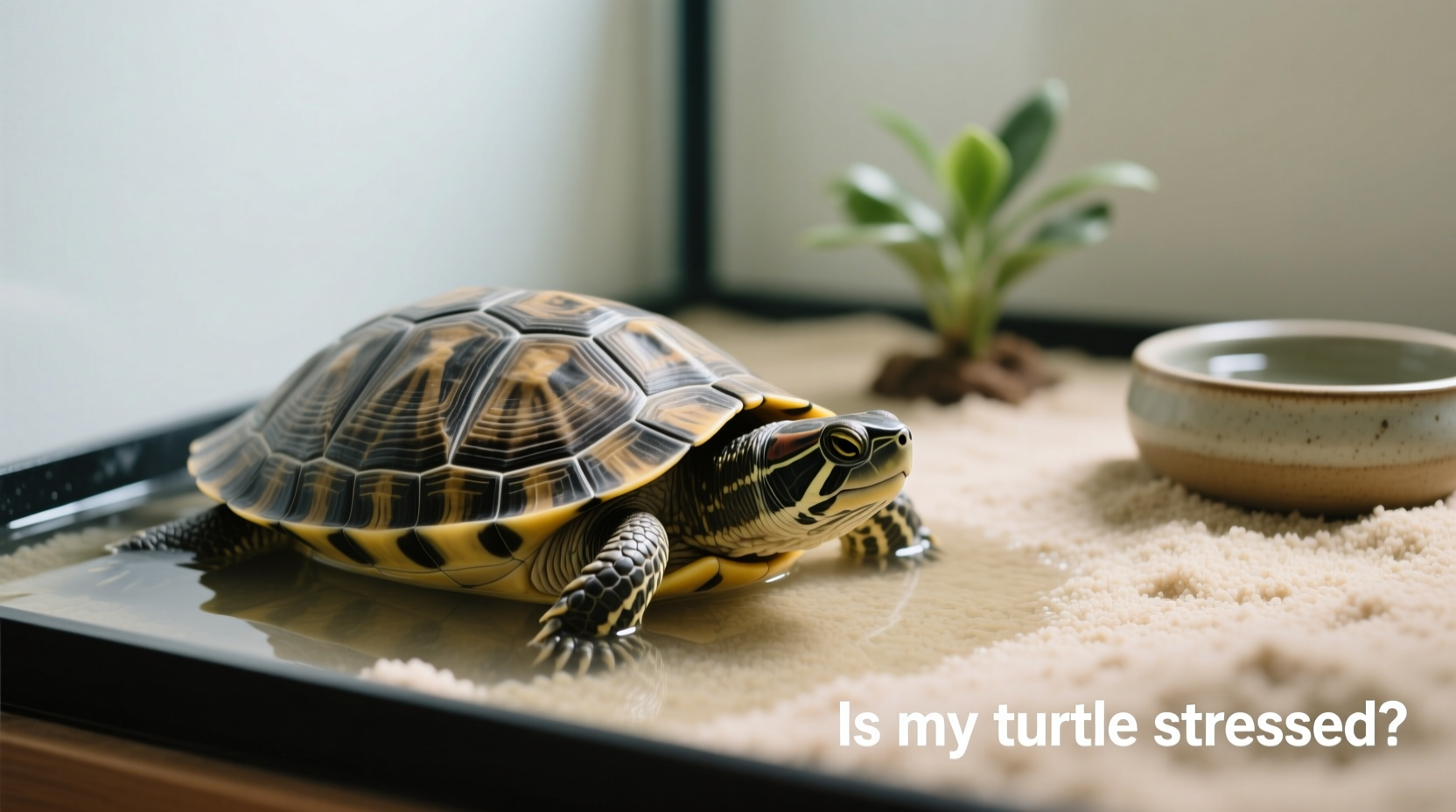
A turtle choosing to remain in a single area of its enclosure isn’t always cause for alarm—but when combined with other symptoms, it can point to significant problems. The following factors are among the most frequent contributors to this behavior:
- Lack of thermal gradient: Turtles need both warm basking areas and cooler zones to regulate their body temperature. Without a proper gradient, they may huddle in the only spot that feels tolerable.
- Poor water quality: Dirty or chemically imbalanced water can irritate a turtle’s skin and eyes, prompting it to retreat to a perceived “safer” corner.
- Inadequate basking setup: If the basking platform is too small, unstable, or poorly heated, turtles may avoid it altogether and remain submerged in a corner near the surface.
- Bullying or competition: In multi-turtle tanks, dominant individuals may claim prime real estate, forcing others into corners out of fear or submission.
- Fear or overstimulation: Excessive noise, foot traffic, or bright lights near the enclosure can overwhelm a turtle, leading it to seek shelter in the least exposed area.
- Illness or injury: A sick or injured turtle often becomes lethargic and isolates itself as a survival instinct.
Signs Your Turtle Is Stressed
Stress in turtles is often silent but damaging. Unlike mammals, turtles don’t vocalize discomfort, so owners must rely on behavioral and physical indicators. Chronic stress suppresses the immune system, making turtles more susceptible to respiratory infections, shell rot, and appetite loss.
Key signs of stress include:
- Refusal to eat or sudden decrease in food intake
- Excessive hiding or reluctance to bask
- Frequent attempts to climb the glass (commonly called \"glass surfing\")
- Erratic swimming or floating abnormally
- Darkened skin or shell coloration
- Increased breathing rate or gaping mouth while swimming
One of the clearest markers of stress-related cornering is a lack of exploration. Healthy turtles typically patrol their space, check out new objects, and shift between water and basking zones throughout the day. A turtle that remains motionless in one spot for days at a time is likely experiencing environmental or physiological distress.
“Turtles are masters of masking illness. By the time visible symptoms appear, the problem has often progressed. Behavioral changes like cornering are early red flags owners should never ignore.” — Dr. Laura Simmons, DVM, Reptile Health Specialist
Habitat Assessment: Is Your Setup Meeting Basic Needs?
The root cause of corner-dwelling often lies in suboptimal habitat conditions. Even minor deviations from ideal parameters can trigger stress responses. Below is a checklist to evaluate your turtle’s living environment:
Habitat Checklist
- Water temperature maintained between 75°F and 80°F (24–27°C)
- Basking area heated to 85°F–95°F (29–35°C) with a reliable UVB and heat lamp
- UVB lighting replaced every 6–12 months (even if still glowing)
- Water depth appropriate for species (e.g., 1.5x shell length for sliders)
- High-quality filtration system in place and regularly maintained
- Clean water with zero detectable ammonia or nitrite levels
- Sufficient space: minimum 10 gallons per inch of shell length
- Secure basking platform accessible without struggle
- Visual barriers or hiding spots available underwater
- No loud noises, vibrations, or direct sunlight causing overheating
Aquatic turtles, such as red-eared sliders or painted turtles, require both aquatic and terrestrial zones. If either is missing or poorly designed, the animal will compensate by limiting its movement. For example, if the basking area is too far from the water or lacks a ramp, the turtle may avoid it entirely and remain in a shaded corner near the surface where it feels secure but inactive.
Do’s and Don’ts of Turtle Habitat Design
| Do | Don't |
|---|---|
| Provide a gradual slope or ramp to the basking area | Use slippery rocks or unstable platforms |
| Install a screen lid to reduce drafts and prevent escape | Place the tank in high-traffic or noisy areas |
| Use a timer for consistent 10–12 hour light cycles | Leave lights on 24/7—turtles need darkness to rest |
| Add PVC pipes or commercial hides for security | Overcrowd the tank with decorations that limit swimming |
| Test water weekly with an aquarium test kit | Assume clear water means clean water—test for chemicals |
Step-by-Step Guide to Correcting Corner-Dwelling Behavior
If your turtle is consistently staying in one corner, follow this structured approach to diagnose and resolve the issue:
- Observe behavior patterns: Note when the turtle moves (if at all), whether it eats, basks, or interacts with its environment. Keep a log for 3–5 days.
- Test water parameters: Use a liquid test kit to check for ammonia, nitrite, nitrate, pH, and chlorine. Ideal levels: Ammonia = 0 ppm, Nitrite = 0 ppm, Nitrate < 20 ppm, pH 6.5–8.0.
- Inspect heating and lighting: Confirm basking zone temperature with a digital thermometer. Ensure UVB bulb is within lifespan and positioned correctly (12 inches above basking area).
- Assess tank layout: Make sure there is open swimming space, a stable basking site, and at least one hiding spot. Rearrange decor if necessary to encourage exploration.
- Reduce external stressors: Move the tank away from TVs, windows with direct sun, or high-traffic hallways. Cover three sides with a background if needed.
- Introduce enrichment: Add floating plants, mirrors (short-term), or safe objects like cork bark to stimulate curiosity.
- Monitor response: After adjustments, observe for 3–7 days. Look for increased activity, regular basking, and feeding.
- Consult a vet if no improvement: Persistent lethargy or refusal to eat warrants a visit to a reptile-experienced veterinarian.
Real-Life Example: How One Owner Fixed Her Turtle’s Corner Habit
Sarah, a turtle owner in Oregon, noticed her red-eared slider, Milo, had stopped basking and remained in the back-left corner of his 55-gallon tank. He wasn’t eating much and would sink to the bottom when approached. Concerned, she reviewed online care guides and tested her water—only to find high nitrate levels (over 60 ppm) and a failing filter.
She performed a 50% water change, cleaned the filter media, and added a second sponge filter for redundancy. She also replaced the aging UVB bulb and installed a visual barrier on the side of the tank facing the living room. Within two days, Milo began swimming more and eventually climbed onto the basking dock. By day five, he was eating normally again.
Sarah’s experience highlights how multiple small issues—a weak filter, poor lighting, and environmental exposure—can combine to create stress-induced behaviors. Fixing each element systematically restored Milo’s confidence and activity.
When Illness Might Be the Cause
Sometimes, corner-dwelling is not behavioral but medical. Respiratory infections, vitamin deficiencies, eye infections, or metabolic bone disease can all lead to lethargy and withdrawal. These conditions require veterinary intervention.
Watch for these warning signs alongside cornering:
- Bubble-blowing from the nose or mouth
- Swollen or closed eyes
- Soft or misshapen shell
- Labored breathing or tilting to one side while swimming
- Weight loss or muscle wasting
Vitamin A deficiency, common in turtles fed poor diets (like iceberg lettuce or low-quality pellets), can cause swollen eyelids and prevent a turtle from opening its eyes—making it reluctant to move. Similarly, hypothermia due to inadequate heating slows metabolism and leads to inactivity.
If you suspect illness, isolate the turtle in a clean, warm hospital tank and contact a reptile vet immediately. Delaying treatment can be fatal.
Frequently Asked Questions
Is it normal for my turtle to hide sometimes?
Yes, occasional hiding is natural. Turtles may retreat to feel secure, especially after changes in environment or routine. However, constant hiding without basking or eating is not normal and should be addressed.
Can loneliness cause a turtle to stay in one corner?
No—turtles are not social animals and do not experience loneliness. In fact, housing multiple turtles together often increases stress due to territorial disputes. Solitary living is generally healthier unless the enclosure is extremely large and properly managed.
How long should I wait before seeing improvement after habitat changes?
Most turtles respond within 3 to 7 days if the correct adjustments are made. If there's no change in behavior—especially regarding feeding and basking—seek professional veterinary help.
Conclusion: Act Early, Care Consistently
A turtle staying in one corner is not just a quirky habit—it’s often a cry for help. Whether driven by poor water quality, incorrect temperatures, or psychological stress, this behavior signals that something in the environment isn’t meeting basic needs. The good news is that most causes are fixable with careful observation and deliberate action.
By maintaining clean water, providing proper heat and UVB lighting, minimizing disturbances, and watching for signs of illness, you can create a thriving habitat where your turtle feels safe enough to explore, feed, and bask confidently. Remember: prevention is always easier than treatment. Regular maintenance and daily observation are the cornerstones of responsible turtle ownership.




 浙公网安备
33010002000092号
浙公网安备
33010002000092号 浙B2-20120091-4
Comments
No comments yet. Why don't you start the discussion?