
Turtles are generally hardy pets, but a sudden loss of appetite can be alarming for any owner. Unlike mammals, reptiles don’t show illness through obvious signs like coughing or sneezing—instead, changes in feeding behavior often serve as the first red flag. When your turtle stops eating, it’s not just about missed meals; it could signal underlying stress, environmental imbalance, or even disease. Understanding the root causes and knowing how to respond can mean the difference between a quick recovery and a prolonged health crisis.
This guide explores the most common reasons turtles lose their appetite, backed by veterinary insights and real-world observations. More importantly, it provides actionable steps to diagnose issues, improve habitat conditions, and gently coax your turtle back to regular feeding habits.
Common Reasons Turtles Stop Eating
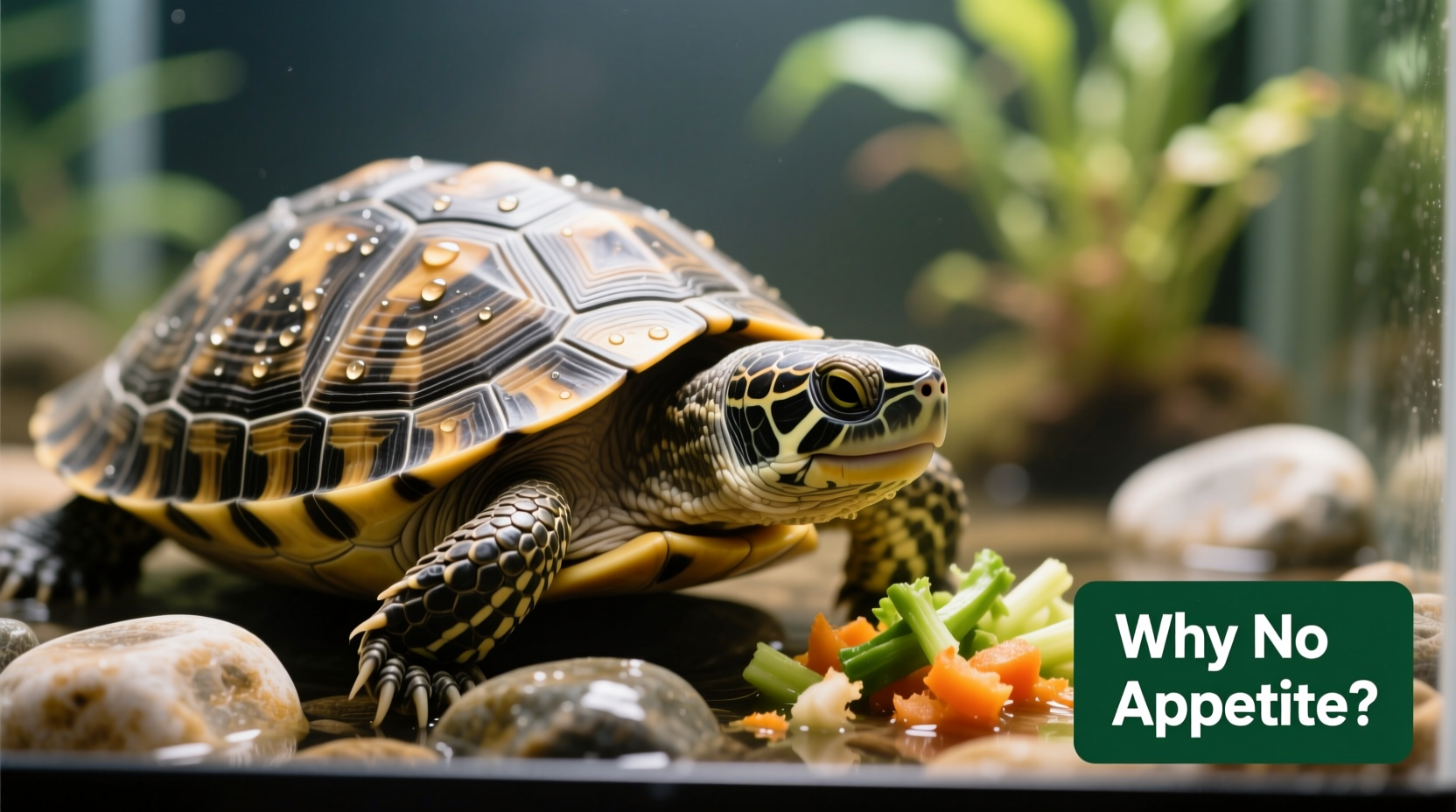
A turtle’s refusal to eat rarely stems from one single cause. Instead, it’s usually the result of a combination of environmental, physiological, and psychological factors. Identifying the trigger is essential before attempting dietary interventions.
- Seasonal brumation: Many species, especially box turtles and aquatic turtles from temperate climates, naturally reduce food intake during cooler months. This semi-hibernation state, called brumation, slows metabolism and digestion.
- Poor water or habitat quality: Contaminated water, incorrect temperature gradients, or inadequate UVB lighting disrupt a turtle’s biological rhythms and suppress appetite.
- Stress from environment changes: Relocation, new tank mates, loud noises, or excessive handling can overwhelm a turtle, leading to food refusal.
- Dental or oral health issues: Mouth rot (infectious stomatitis), abscesses, or jaw misalignment make chewing painful.
- Respiratory infections: Labored breathing due to pneumonia or bacterial infection makes submerging to eat difficult for aquatic turtles.
- Nutritional deficiencies: Long-term lack of calcium, vitamin A, or proper protein balance weakens the immune system and reduces energy levels.
- Parasites: Internal parasites such as nematodes or protozoa interfere with digestion and nutrient absorption.
Environmental Factors That Impact Appetite
Turtles are ectothermic, meaning they rely on external heat sources to regulate their body functions—including digestion. If the habitat doesn’t meet precise thermal and lighting requirements, your turtle simply won’t process food efficiently, leading to disinterest in eating.
The ideal setup varies slightly by species, but general guidelines apply across most pet turtles:
| Factor | Optimal Range | Risk of Deviation |
|---|---|---|
| Water Temperature (aquatic) | 75–80°F (24–27°C) | Below 70°F slows digestion; above 82°F promotes bacterial growth |
| Basking Area Temp | 85–95°F (29–35°C) | Inadequate warmth prevents proper thermoregulation |
| UVB Lighting | 10–12 hours/day, replaced every 6–12 months | Lack leads to metabolic bone disease and lethargy |
| Water pH & Ammonia Levels | pH 6.5–8.0; ammonia at 0 ppm | High ammonia causes gill irritation and systemic stress |
One often-overlooked issue is improper filtration. Without a high-quality filter, uneaten food and waste degrade water quality rapidly. Even if the tank looks clean, elevated nitrate levels can suppress appetite over time. Regular partial water changes (25–30% weekly) and monthly deep cleaning are non-negotiable for maintaining health.
“Over 60% of appetite issues I see in pet turtles stem from environmental mismanagement—not disease.” — Dr. Laura Nguyen, DVM, Reptile Health Specialist
Step-by-Step Guide to Restore Your Turtle’s Appetite
If your turtle hasn’t eaten in more than a week (excluding brumation season), take systematic action. Follow this timeline to assess, adjust, and stimulate feeding:
- Day 1–2: Evaluate Habitat Conditions
- Check water temperature with a calibrated thermometer.
- Verify UVB bulb functionality—replace if older than 12 months.
- Test water for ammonia, nitrite, and pH using an aquarium kit.
- Inspect basking area: Is it dry, warm, and easily accessible?
- Day 3: Observe Behavior Closely
- Note breathing patterns—are there bubbles from nostrils or open-mouth breathing?
- Watch for swelling, discharge, or discoloration around eyes and mouth.
- Track movement: Is the turtle lethargic or buoyant when swimming?
- Day 4–5: Adjust Environment
- Adjust heater settings to maintain optimal range.
- Clean filter media and perform a 30% water change.
- Ensure full-spectrum lighting includes UVB and runs on a timer.
- Day 6–7: Offer Tempting Foods
- Try live foods like earthworms, crickets, or feeder guppies (for aquatic species).
- Warm vegetables slightly to enhance aroma.
- Hand-feed using tongs to spark curiosity—do not force.
- Day 8+: Seek Veterinary Care if No Improvement
- Appetite loss beyond 10 days warrants professional diagnosis.
- Vets can perform fecal tests, blood work, and radiographs to identify hidden issues.
Real Example: Reviving a Red-Eared Slider’s Appetite
Mark, a turtle owner in Oregon, noticed his red-eared slider, Leo, had stopped eating after he moved apartments. The new tank was near a drafty window, and Mark hadn’t replaced the UVB bulb in over a year. Initially, he assumed Leo was adjusting to the move. But after two weeks without food and frequent bottom-sitting, Mark grew concerned.
He tested the water and found ammonia levels at 1.5 ppm—dangerously high. The basking light only reached 80°F, below the required threshold. After upgrading the filter, replacing the bulb, and relocating the tank away from airflow, Mark offered Leo a live earthworm. Within minutes, Leo showed interest, and by day five, he was eating commercial pellets again. Bloodwork later confirmed mild dehydration and early-stage vitamin A deficiency, both resolved with supplements and consistent care.
This case highlights how multiple minor issues—each seemingly tolerable—can combine into a serious health decline. Addressing the environment first allowed Leo’s natural instincts to return.
Action Checklist: What to Do When Your Turtle Won’t Eat
Use this concise checklist to quickly troubleshoot and act:
- ✅ Check water temperature and basking zone heat
- ✅ Test water quality (ammonia, nitrites, pH)
- ✅ Inspect UVB lighting age and output
- ✅ Look for physical symptoms (swollen eyes, nasal discharge, soft shell)
- ✅ Reduce stressors: limit handling, avoid loud environments
- ✅ Try high-value foods: earthworms, shredded shrimp, or soaked kelp
- ✅ Schedule vet visit if no improvement in 7–10 days
Frequently Asked Questions
How long can a healthy turtle go without eating?
Adult turtles can survive several weeks without food, especially if well-hydrated and previously healthy. However, going beyond 10 days without eating—outside of brumation—is a serious concern requiring investigation. Juveniles need more frequent feeding and should not go more than 5–7 days without food.
Can cold temperatures really stop my turtle from eating?
Absolutely. Turtles depend on external heat to digest food. Below 70°F, their metabolism slows dramatically. If the water or basking area is too cool, food remains undigested in the gut, leading to discomfort and appetite suppression. Always maintain species-specific thermal gradients.
Is it safe to force-feed a turtle?
No. Force-feeding can cause aspiration, stress, and further aversion to food. It should only be performed by a veterinarian using proper tools and technique. Focus instead on correcting environmental and health issues that address the root cause.
Prevention Through Proactive Care
Preventing appetite loss is far more effective than treating it. Establish a routine that supports long-term wellness:
- Maintain a consistent schedule: Feed adults every other day; juveniles daily. Stick to predictable feeding times.
- Rotate diet variety: Combine commercial pellets with fresh greens (kale, dandelion), occasional fruits, and protein sources (insects, fish).
- Schedule annual vet checkups: Early detection of subclinical issues improves outcomes.
- Keep a care journal: Record feeding, shedding, basking duration, and water parameters to spot trends early.
Additionally, avoid overcrowding tanks. Competition for space or resources stresses turtles and can lead to dominant individuals monopolizing food, leaving others malnourished. Provide multiple feeding zones or separate feedings if housing multiple turtles.
Conclusion: Act Early, Act Wisely
A turtle that stops eating is sending a silent distress signal. While some causes are temporary and easily corrected, others demand prompt medical attention. The key is vigilance—know your turtle’s normal behavior so you can detect deviations early. By mastering habitat management, recognizing warning signs, and responding with informed action, you give your turtle the best chance at a full recovery.
Don’t wait weeks hoping the problem will resolve itself. Small adjustments today can prevent serious complications tomorrow. Whether it’s replacing an old UVB bulb, testing water chemistry, or scheduling a vet visit, each step brings you closer to restoring your turtle’s health and appetite.




 浙公网安备
33010002000092号
浙公网安备
33010002000092号 浙B2-20120091-4
Comments
No comments yet. Why don't you start the discussion?