
Urine odor is something most people experience from time to time, often without concern. While a mild scent is normal, especially in the morning or after certain foods, a strong or unusual smell can be surprising—and sometimes concerning. The truth is, many factors influence how your urine smells, ranging from harmless dietary choices to underlying medical conditions. Understanding what’s typical versus what might require attention empowers you to make informed decisions about your health.
Urine is primarily composed of water, urea, creatinine, and various salts and organic compounds. When these components shift due to hydration levels, diet, medications, or illness, the resulting odor can change dramatically. Most changes are temporary and benign, but persistent or severe odors—especially when paired with other symptoms—may signal an issue worth investigating.
Common Causes of Smelly Urine
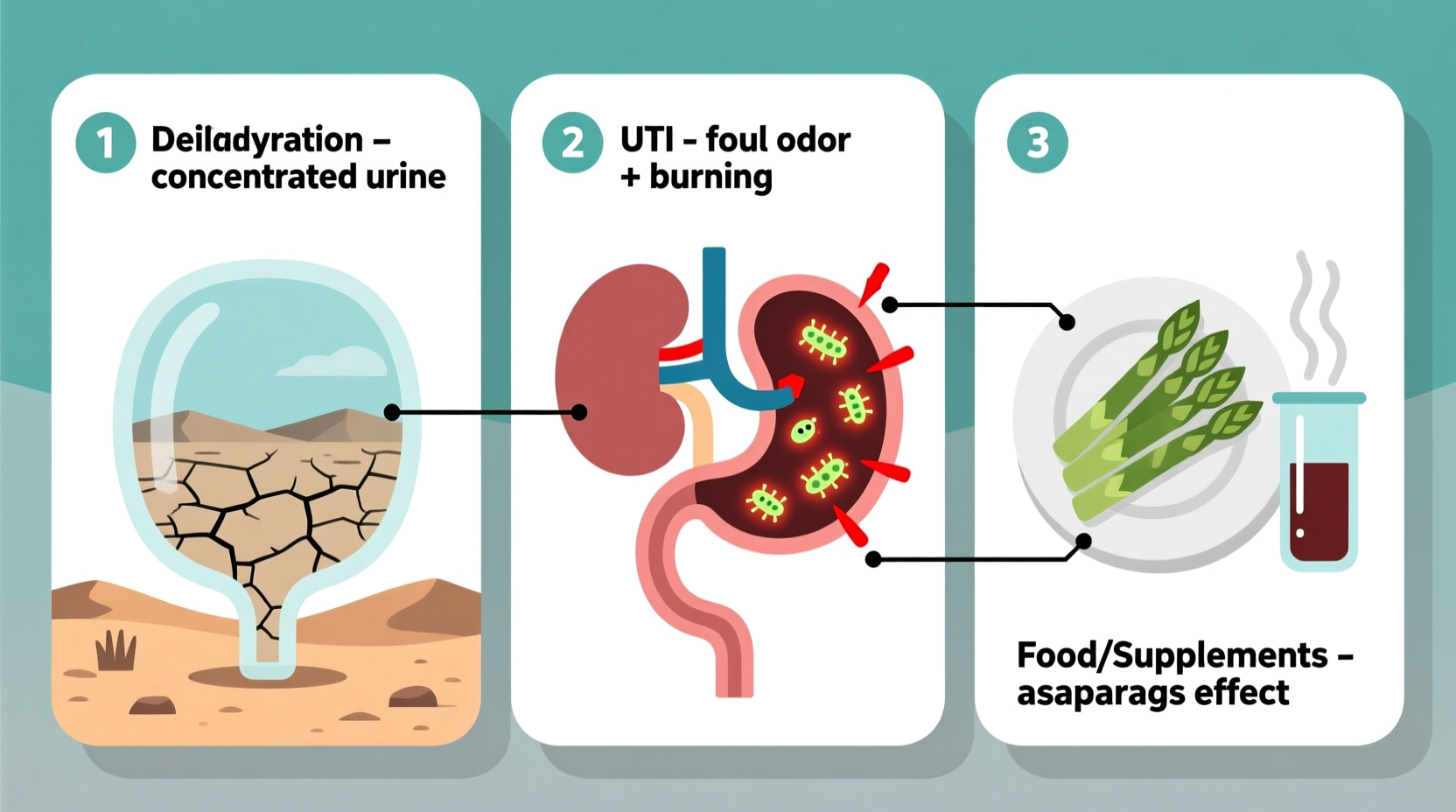
The most frequent reasons for altered urine odor are non-medical and easily reversible. These include:
- Dehydration: Concentrated urine has higher levels of waste products like urea, which emits an ammonia-like smell. This is particularly noticeable in the morning or after intense exercise.
- Dietary influences: Foods such as asparagus, garlic, coffee, and onions contain sulfur-containing compounds that break down during digestion and release volatile substances excreted in urine.
- Vitamins and supplements: High-dose B vitamins, especially B6 and B12, are known to cause bright yellow urine with a sharp, chemical-like odor.
- Medications: Antibiotics like amoxicillin or sulfa drugs, along with some antipsychotics and chemotherapy agents, can alter urine chemistry and scent.
When Infection Might Be the Cause
A foul, persistently strong odor—particularly if it resembles rotten eggs, fish, or sewage—can point to a urinary tract infection (UTI). UTIs occur when bacteria, most commonly *Escherichia coli*, enter the urinary tract and multiply. As the body fights the infection, white blood cells and bacteria interact with urine components, producing smelly byproducts.
Symptoms often accompanying infection-related odor include:
- Pain or burning during urination
- Frequent urge to urinate with little output
- Cloudy or discolored urine
- Lower abdominal discomfort
- Fever or chills (in more serious cases)
“Persistent foul-smelling urine, especially with urgency or pain, should not be ignored. It could indicate a treatable infection—but delaying care risks kidney involvement.” — Dr. Lena Patel, Urologist at Cleveland Clinic
In women, anatomical differences make UTIs more common. Men may also experience infections, though less frequently, and recurrent cases warrant further investigation.
Rare but Serious Medical Conditions
While uncommon, certain metabolic and genetic disorders can manifest through distinctive urine odors. These require prompt diagnosis and management:
| Condition | Odor Description | Additional Symptoms |
|---|---|---|
| Trimethylaminuria (\"Fish Odor Syndrome\") | Persistent fishy smell in urine, breath, and sweat | No physical harm, but significant social distress |
| Maple Syrup Urine Disease | Sweet, burnt-sugar scent | Lethargy, poor feeding in infants, developmental delays |
| Phenylketonuria (PKU) | Moldy or musty odor | Cognitive impairment if untreated |
| Diabetes (uncontrolled) | Fruity or acetone-like smell | Increased thirst, fatigue, weight loss |
These conditions are typically diagnosed in infancy through newborn screening, but milder forms of trimethylaminuria may go undetected into adulthood. If you notice a lifelong pattern of odd-smelling urine without explanation, discussing it with a healthcare provider is warranted.
Step-by-Step Guide: What to Do If Your Urine Smells Unusual
Not every change in urine odor demands a doctor's visit. Use this practical timeline to assess and respond appropriately:
- Day 1 – Observe and Recall: Note when the smell started and any recent changes in diet, fluid intake, or medication. Did you eat asparagus or take a new supplement?
- Day 2 – Hydrate: Increase water intake significantly. Aim for pale yellow urine within 24 hours. Reassess odor after proper hydration.
- Day 3 – Monitor Symptoms: Check for additional signs: pain, frequency, fever, or changes in color. Keep a symptom log.
- Day 4 – Consider Triggers: Eliminate suspected foods or supplements temporarily. See if odor resolves.
- Day 5 – Seek Evaluation: If odor persists beyond 48–72 hours despite hydration, or if symptoms worsen, contact a healthcare provider for urinalysis.
Mini Case Study: Sarah’s Recurring Urine Odor
Sarah, a 34-year-old teacher, noticed her urine had developed a strong ammonia smell each morning. Initially, she assumed it was due to her high-protein diet. She drank coffee early and didn’t hydrate until mid-morning. After reading about dehydration-related odor, she began drinking two glasses of water upon waking. Within two days, the smell diminished significantly. A follow-up check confirmed no infection. Simple lifestyle adjustment resolved the issue—highlighting the power of hydration awareness.
Checklist: When to Worry About Urine Smell
Use this checklist to determine whether medical evaluation is needed:
- ☑ Odor persists for more than 3 days despite increased water intake
- ☑ Pain, burning, or urgency accompanies urination
- ☑ Urine appears cloudy, dark, or contains visible sediment
- ☑ Fever, back pain, or nausea develops
- ☑ You have diabetes or a history of kidney stones
- ☑ Pregnant and experiencing strong-smelling urine with discomfort
If three or more items apply, consult a healthcare provider promptly.
Frequently Asked Questions
Can pregnancy cause smelly urine?
Yes. Hormonal changes, increased kidney filtration, and higher susceptibility to UTIs during pregnancy can all contribute to stronger urine odor. Morning sickness and dehydration from vomiting may also concentrate urine. However, any painful urination or persistent foul smell should be evaluated to rule out infection.
Is it normal for urine to smell after taking antibiotics?
Yes, many antibiotics alter gut and urinary flora, leading to temporary odor changes. Some medications are metabolized into sulfur-containing compounds excreted in urine. The smell usually resolves once the course is completed. If accompanied by rash, diarrhea, or fever, contact your doctor.
Why does my child’s urine smell bad?
In children, strong odor can result from dehydration, concentrated urine, or holding urine too long. However, sweet-smelling urine may suggest diabetes, while a fishy odor could indicate trimethylaminuria or a UTI. Always consult a pediatrician if the smell is persistent or associated with behavioral changes, bedwetting, or discomfort.
Conclusion: Listen to Your Body
Your urine is a window into your internal health. While occasional odor changes are normal and often linked to simple causes like diet or hydration, consistent or severe smells deserve attention. Ignoring persistent symptoms can delay diagnosis of infections or metabolic issues. By staying hydrated, monitoring patterns, and knowing when to seek help, you take control of your well-being.




 浙公网安备
33010002000092号
浙公网安备
33010002000092号 浙B2-20120091-4
Comments
No comments yet. Why don't you start the discussion?