
It's a common but often surprising experience: one day your urine has a sharp, unmistakable odor, and you can't figure out why. If you've recently eaten asparagus or started a new vitamin regimen, there's a good chance these are the culprits. While changes in urine odor can raise concerns, most of the time they're harmless and temporary. This article breaks down the science behind smelly urine, explains what happens when you eat asparagus or take supplements, and helps you distinguish between normal metabolic responses and signs that warrant medical attention.
The Science Behind Urine Odor
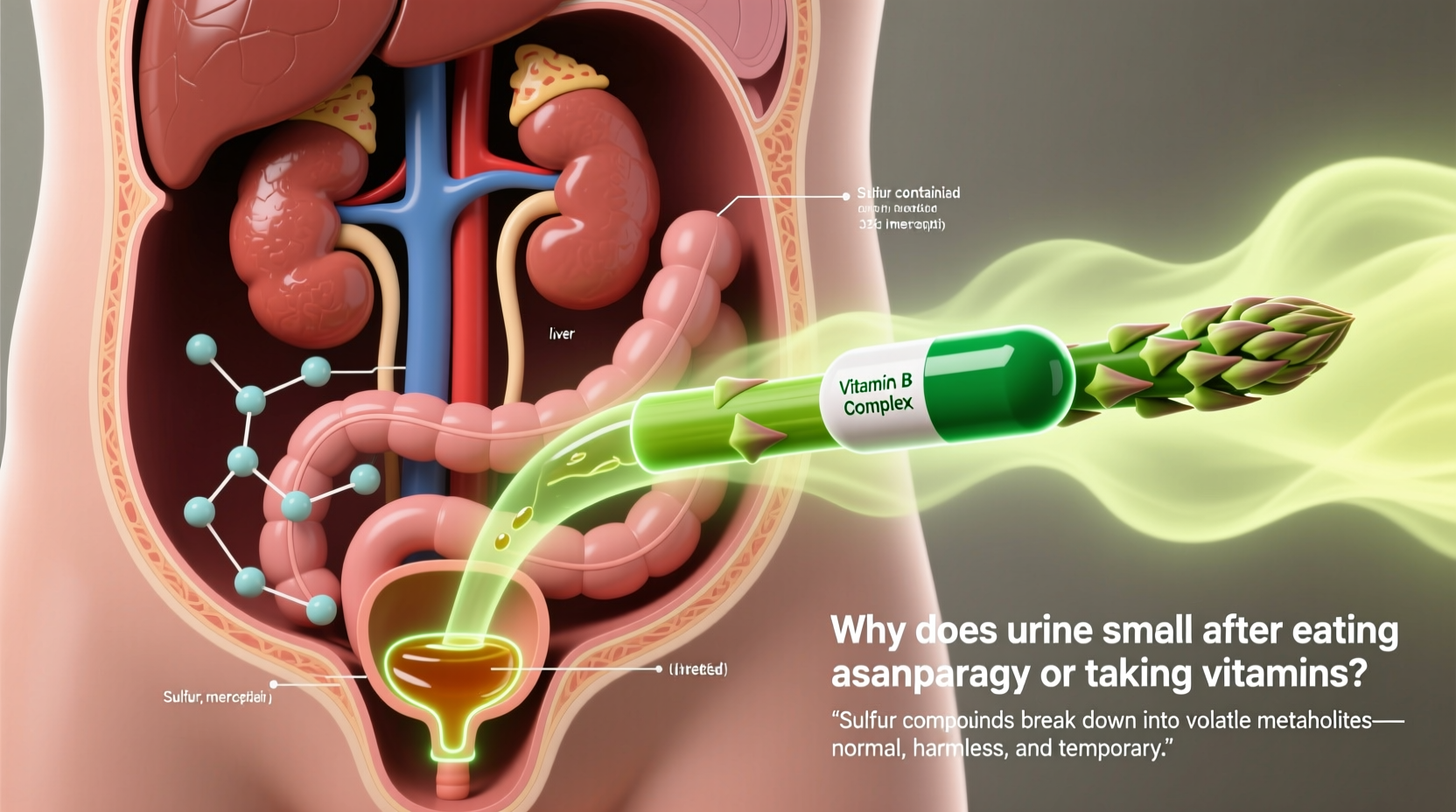
Urine is primarily composed of water, urea, creatinine, and various salts and organic compounds filtered by the kidneys. Its odor comes from volatile chemicals released when urine hits air. Normally, fresh urine has a mild scent, but many factors—diet, hydration, medications, and metabolic processes—can alter its smell.
When certain foods or supplements are metabolized, they release sulfur-containing or nitrogen-based compounds that pass through the kidneys into urine. These compounds often have strong odors detectable even in small concentrations. The intensity and duration of the smell depend on individual metabolism, kidney function, and fluid intake.
One key compound responsible for post-asparagus urine odor is asparagusic acid, which humans uniquely metabolize into several sulfur-containing molecules such as methanethiol and dimethyl sulfide—both known for their pungent, rotten-cabbage-like scents.
Why Asparagus Changes Your Urine Smell
Asparagus is one of the most well-known dietary causes of altered urine odor. Within 15 to 30 minutes of consumption, some people notice a distinct, sulfurous smell in their urine. However, not everyone experiences this phenomenon—and the reason lies in genetics.
Studies show that only about 20% to 40% of the population can actually smell the odor, while others produce the volatile compounds without detecting them. This difference is due to variations in the OR2M7 gene, which codes for an olfactory receptor sensitive to asparagus metabolites.
Interestingly, some individuals don’t produce the odor-causing compounds at all. Research suggests that nearly everyone breaks down asparagusic acid, but the rate and completeness of metabolism vary. So, while most people excrete the smelly byproducts, only a subset both produces and detects them.
“Not being able to smell asparagus-induced urine odor doesn’t mean you’re immune—it just means your nose isn’t tuned to those specific sulfur compounds.” — Dr. Laura Stein, Biochemical Geneticist
Vitamins and Supplements That Alter Urine Smell
Certain vitamins, particularly B-complex supplements, are notorious for changing urine color and odor. The most common offender is vitamin B6 (pyridoxine), which in high doses can give urine a strong, chemical-like smell. Other B vitamins like B2 (riboflavin) contribute to a bright yellow or fluorescent hue and may add a slightly medicinal scent.
B vitamins are water-soluble, meaning any excess is excreted through urine rather than stored in the body. When you take more than your body needs, the surplus floods the urinary system, carrying with it distinctive odors. This effect is especially pronounced with synthetic forms of B6 found in multivitamins and energy boosters.
Other supplements that may influence urine smell include:
- Vitamin D: High doses may indirectly affect odor by altering calcium metabolism and kidney filtration.
- Choline: Found in fish oil and liver supplements, choline can be metabolized into trimethylamine—a compound with a fishy odor.
- Probiotics and amino acid supplements: May shift gut flora, influencing how nutrients are broken down and excreted.
Common Vitamins Linked to Smelly Urine
| Vitamin/Supplement | Odor Description | Typical Onset Time |
|---|---|---|
| Vitamin B6 (Pyridoxine) | Chemical, ammonia-like | 1–3 hours after ingestion |
| Vitamin B2 (Riboflavin) | Mildly medicinal | 2–4 hours |
| Choline | Fishy, musty | 4–6 hours |
| High-potency multivitamins | Sharp, synthetic | Within 2 hours |
When to Be Concerned: Red Flags in Urine Odor
While diet and supplements explain most cases of odd-smelling urine, some odors signal underlying health issues. It's important to differentiate between benign metabolic changes and symptoms of infection, metabolic disorders, or organ dysfunction.
Here are warning signs that go beyond normal variation:
- Foul, foul-smelling urine resembling rotting food – could indicate a urinary tract infection (UTI).
- Sweet or fruity odor – often associated with uncontrolled diabetes, as ketones build up in the blood and spill into urine.
- Ammonia-like smell – may point to dehydration or chronic urinary stasis, but persistent cases can suggest liver disease.
- Fishy odor unrelated to choline intake – possible sign of trimethylaminuria, a rare metabolic disorder.
If strange urine odor persists for more than a few days despite stopping suspect foods or supplements, or if accompanied by pain, fever, cloudy urine, or frequent urination, consult a healthcare provider.
Mini Case Study: Lisa’s Vitamin Experiment
Lisa, a 34-year-old teacher, began taking a high-energy B-complex supplement to combat fatigue. Within two days, she noticed her urine had turned neon yellow and emitted a sharp, almost antiseptic smell. Alarmed, she searched online and feared liver damage. She paused the supplement and increased her water intake. After 48 hours, the odor faded. Her doctor confirmed that the smell was due to excess B2 and B6 excretion—common and harmless. Lisa resumed a lower-dose version and now takes it every other day, avoiding the intense odor while still benefiting from the energy boost.
How to Manage and Reduce Unusual Urine Odor
In most cases, smelly urine after asparagus or vitamins doesn’t require treatment—just understanding and minor lifestyle adjustments. Here’s a practical guide to minimizing unpleasant odors while maintaining good health.
Step-by-Step Guide to Managing Urine Odor
- Hydrate thoroughly: Drink at least 8 glasses of water daily to dilute urine and flush out odor-causing compounds faster.
- Monitor your intake: Keep a log of foods and supplements consumed alongside any changes in urine smell or color.
- Adjust dosage: For vitamins, consider whether you’re exceeding recommended levels. Many people get adequate B vitamins from diet alone.
- Time your meals: Eat asparagus earlier in the day to avoid nighttime bathroom visits with strong odors.
- Choose whole-food sources: Opt for natural forms of nutrients (e.g., nutritional yeast instead of synthetic B-complex) when possible.
- Wait it out: Most odor changes resolve within 12–24 hours once the trigger is eliminated.
Dietary Do’s and Don’ts for Healthy Urine Odor
| Do | Don’t |
|---|---|
| Drink water with lemon to support pH balance | Overconsume synthetic supplements |
| Eat fiber-rich foods to support digestion | Ignore persistent foul smells lasting over 3 days |
| Pair asparagus with parsley (natural diuretic) | Assume all odor changes are dangerous |
| Use unscented toilet paper to avoid masking real odors | Dehydrate intentionally for weight loss |
Frequently Asked Questions
Can everyone smell asparagus urine?
No. Genetic differences affect both the production and detection of odor-causing compounds. Some people produce the smell but can’t detect it; others neither produce nor smell it. Estimates suggest only about one-third of the population can consistently detect the odor.
Is smelly urine from vitamins harmful?
Generally, no. Strong odors caused by excess B vitamins are a sign your body is eliminating what it doesn’t need. However, extremely high doses of vitamin B6 (over 100 mg daily long-term) can lead to nerve toxicity. Stick to recommended dosages unless advised otherwise by a doctor.
How long does asparagus smell last in urine?
The odor typically appears within 15–30 minutes of eating asparagus and can last up to 14 hours, depending on metabolism and hydration. Drinking water speeds up elimination.
Expert Insight on Metabolic Variability
“Our bodies process nutrients in highly individual ways. What one person excretes harmlessly, another might retain or react to differently. That’s why personalized nutrition and awareness of bodily signals matter.” — Dr. Raj Mehta, Nephrologist and Metabolic Health Specialist
This variability underscores the importance of listening to your body. Just because a supplement is labeled “safe” doesn’t mean it won’t cause noticeable side effects in you. Adjustments based on personal response—not just general guidelines—are key to optimal wellness.
Final Checklist: Responding to Smelly Urine
- ✅ Assess recent diet: Did I eat asparagus, coffee, garlic, or strong spices?
- ✅ Review supplements: Am I taking high-dose B vitamins or choline?
- ✅ Check hydration: Is my urine dark yellow or infrequent?
- ✅ Look for additional symptoms: Pain, fever, urgency, or cloudiness?
- ✅ Wait 24 hours after removing suspected triggers
- ✅ Consult a doctor if odor persists or worsens
Conclusion
Smelly urine after eating asparagus or taking vitamins is usually nothing to worry about. It’s a testament to your body’s efficient detoxification system at work—breaking down nutrients and clearing out what it doesn’t need. Understanding the role of metabolism, genetics, and hydration empowers you to respond appropriately without unnecessary alarm.
That said, never dismiss persistent or severe changes. Your urine is a window into your internal environment. By paying attention to its color, clarity, and odor, you gain valuable insights into your health. Use this knowledge not to obsess, but to act wisely—staying hydrated, choosing quality nutrients, and seeking care when needed.




 浙公网安备
33010002000092号
浙公网安备
33010002000092号 浙B2-20120091-4
Comments
No comments yet. Why don't you start the discussion?