
Suddenly standing from a seated or lying position only to be met with blurry vision, dizziness, or even a brief dimming of sight is more common than many realize. While occasional lightheadedness may not raise concern, recurrent visual disturbances upon standing can signal an underlying physiological issue. This phenomenon often stems from a rapid drop in blood pressure, known as orthostatic hypotension. Understanding the mechanisms behind it, recognizing when it's benign versus concerning, and knowing whether to seek medical evaluation are essential steps toward maintaining long-term health and preventing falls or serious complications.
What Happens When Vision Blurs Upon Standing?
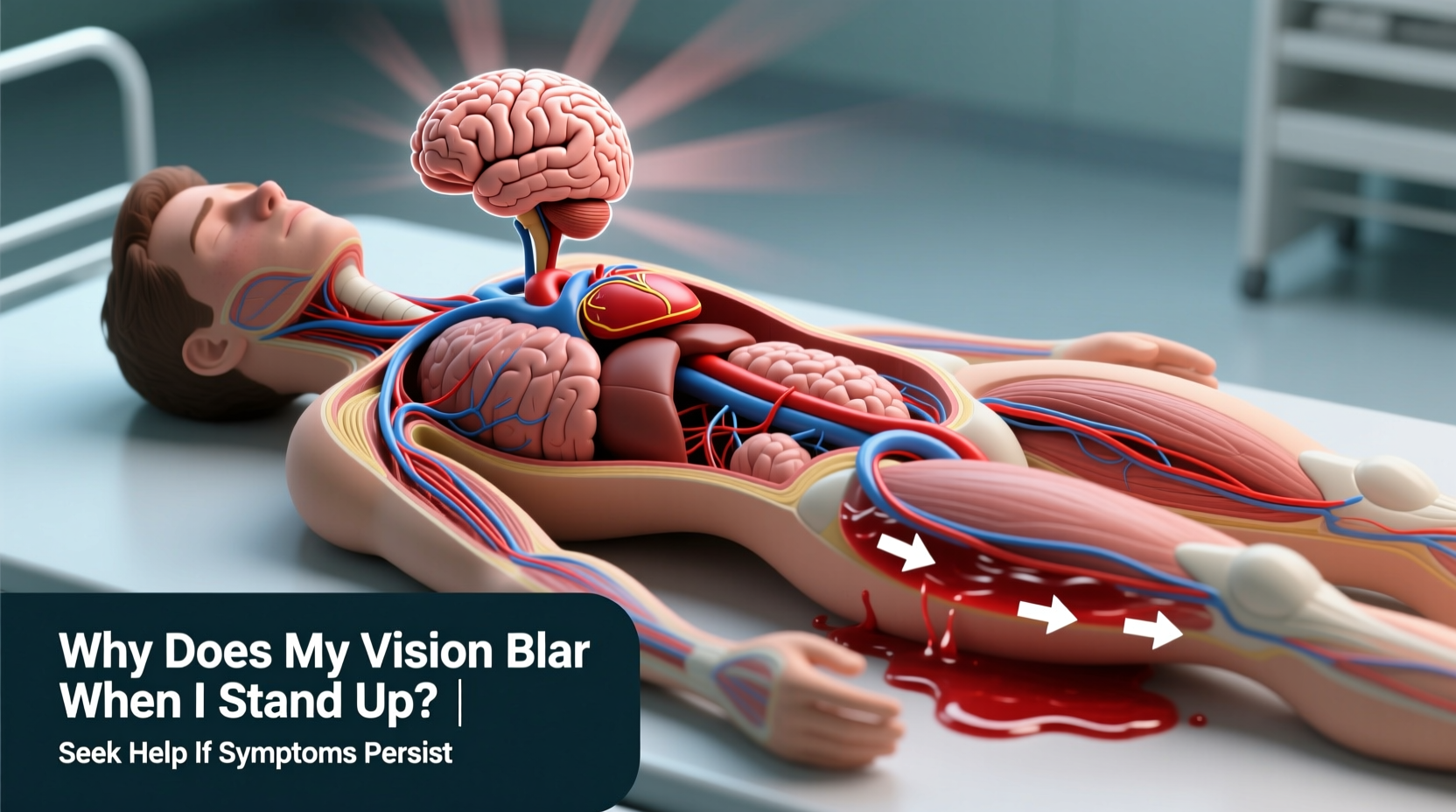
When you transition from sitting or lying down to standing, gravity pulls blood downward into the legs and abdomen. In response, your body must quickly adjust to maintain adequate blood flow to the brain. This involves a coordinated effort between the heart, blood vessels, and nervous system to increase heart rate and constrict blood vessels—ensuring cerebral perfusion remains stable.
If this compensatory mechanism falters, blood pressure drops temporarily, reducing oxygen delivery to the brain. The visual cortex, being highly sensitive to oxygen fluctuations, reacts swiftly. Symptoms like blurred vision, tunnel vision, darkening of the field of view, dizziness, or even momentary loss of balance occur. These typically last just a few seconds but can persist longer in some individuals.
This transient event is medically referred to as *orthostatic hypotension* (also called postural hypotension), defined as a drop in systolic blood pressure of at least 20 mm Hg or diastolic pressure by 10 mm Hg within three minutes of standing.
Common Causes of Blurred Vision When Standing
Several factors can disrupt the body’s ability to regulate blood pressure during positional changes. Some are temporary and easily corrected; others point to chronic conditions requiring attention.
- Dehydration: Insufficient fluid intake reduces blood volume, making it harder for the body to maintain pressure when upright.
- Medications: Diuretics, antihypertensives, antidepressants, and Parkinson’s drugs can impair vascular tone or fluid balance.
- Prolonged Bed Rest: Extended inactivity weakens cardiovascular responsiveness.
- Aging: Blood vessels lose elasticity and autonomic reflexes slow with age, increasing susceptibility.
- Dietary Factors: Low salt intake, alcohol consumption, or large carbohydrate-rich meals can trigger postprandial hypotension.
- Neurological Conditions: Disorders like Parkinson’s disease, multiple system atrophy, or diabetic neuropathy damage the autonomic nerves responsible for blood pressure control.
- Anemia: Reduced red blood cell count diminishes oxygen-carrying capacity, amplifying symptoms during low perfusion states.
“Transient visual blurring upon standing is often dismissed as normal aging, but persistent or worsening symptoms warrant investigation—it could be the first clue to autonomic dysfunction.” — Dr. Lena Reyes, Neurologist and Autonomic Specialist
When Should You Seek Medical Help?
Occasional, fleeting episodes of blurry vision when standing—especially after dehydration, illness, or skipping meals—are usually harmless. However, certain red flags indicate the need for prompt medical evaluation:
| Symptom Pattern | May Be Normal | Warrants Medical Attention |
|---|---|---|
| Frequency | Once every few weeks | Daily or multiple times per day |
| Duration | Resolves in 1–3 seconds | Lasts longer than 10 seconds or leads to near-fainting |
| Associated Symptoms | Mild dizziness only | Chest pain, palpitations, confusion, weakness, or fainting |
| Triggers | Heat, dehydration, prolonged sitting | Occurs even after resting, hydrating, or without clear cause |
| Impact on Life | No interference with daily activities | Limits mobility, causes fear of falling, affects work or driving |
If you experience frequent or severe symptoms, especially if you're over 60, managing chronic illness, or taking medications that affect circulation, consult your healthcare provider. They may perform a tilt-table test, measure blood pressure in different positions, or assess autonomic function to determine the root cause.
Step-by-Step Guide to Managing and Preventing Episodes
Managing orthostatic-related vision blurring involves both immediate strategies and long-term lifestyle adjustments. Follow this timeline-based approach to reduce frequency and severity:
- Immediate Response (During an Episode):
- Stop moving and hold onto something stable.
- Bend forward slightly or cross your legs while tensing leg muscles to promote venous return.
- Wait until vision clears before continuing to walk.
- Daily Prevention (Short-Term Actions):
- Increase water intake—aim for at least 1.5–2 liters daily unless contraindicated.
- Add moderate salt to your diet (with doctor approval) to support blood volume.
- Rise slowly: Sit on the edge of the bed for 10–20 seconds before standing.
- Avoid hot environments, saunas, and long baths which dilate blood vessels.
- Long-Term Management (Weeks to Months):
- Review medications with your doctor—some may contribute to hypotension.
- Engage in regular physical activity, particularly strength training for legs, to improve circulation.
- Monitor blood pressure at home in lying, sitting, and standing positions to track patterns.
- Manage underlying conditions such as diabetes, heart disease, or neurological disorders.
Real-Life Example: Recognizing a Hidden Condition
James, a 68-year-old retired teacher, began noticing he’d see “gray spots” and feel unsteady every time he stood from his recliner. At first, he brushed it off as getting older. But over several months, the episodes became more frequent—even occurring after standing from the dinner table. One morning, he nearly collapsed while walking to the bathroom.
Concerned, he visited his primary care physician. His blood pressure was normal while seated but dropped sharply upon standing. Further testing revealed mild autonomic neuropathy linked to prediabetes, which had gone undiagnosed. With dietary changes, increased hydration, and better glucose monitoring, James saw a dramatic improvement in his symptoms within six weeks.
His case underscores how seemingly minor visual disturbances can reveal significant metabolic or neurological issues when they persist.
Checklist: What You Can Do Today
To assess and manage your risk of vision blurring when standing, follow this actionable checklist:
- ✅ Measure your blood pressure lying down and again after standing for one and three minutes.
- ✅ Increase daily fluid intake, especially water and electrolyte-rich beverages (avoid excess caffeine).
- ✅ Review all medications with your doctor, including over-the-counter supplements.
- ✅ Practice gradual position changes—sit up slowly before standing.
- ✅ Wear compression stockings if recommended by your physician to reduce blood pooling in legs.
- ✅ Avoid large meals high in carbohydrates, which can lower blood pressure post-meal.
- ✅ Schedule a check-up if symptoms occur more than twice a week or interfere with daily life.
Frequently Asked Questions
Can low iron cause blurry vision when standing?
Yes. Iron deficiency anemia reduces the blood’s oxygen-carrying capacity. When combined with reduced cerebral perfusion during standing, this can amplify symptoms like blurred vision, fatigue, and lightheadedness. Treating the anemia often improves orthostatic tolerance.
Is it dangerous to ignore occasional blurring when standing?
Occasional, brief episodes are generally not dangerous, especially if triggered by dehydration or heat. However, ignoring recurring or worsening symptoms can be risky. Persistent orthostatic hypotension increases fall risk, especially in older adults, and may signal undiagnosed cardiovascular or neurological disease.
Can exercise help prevent this problem?
Absolutely. Regular aerobic and resistance training improves vascular tone, enhances autonomic regulation, and strengthens leg muscles that help pump blood back to the heart. Exercises like walking, cycling, and calf raises are particularly beneficial. Just avoid exercising in hot environments or becoming dehydrated.
Conclusion: Listen to Your Body and Take Action
Blurred vision when standing isn’t something to automatically dismiss as a quirk of aging or fatigue. While often temporary and manageable, it can be an early warning sign of imbalances in blood pressure regulation, hydration, medication effects, or deeper health concerns. By paying attention to frequency, severity, and associated symptoms, you empower yourself to take preventive steps or seek timely care.
Small changes—drinking more water, rising slowly, tracking symptoms—can make a meaningful difference. But if the problem persists, don’t hesitate to reach out to a healthcare professional. Early intervention can prevent falls, improve quality of life, and uncover conditions that benefit greatly from early treatment.




 浙公网安备
33010002000092号
浙公网安备
33010002000092号 浙B2-20120091-4
Comments
No comments yet. Why don't you start the discussion?