
Suddenly standing from a seated or lying position and experiencing blurred vision—or even brief dimming or blacking out of sight—is more common than many realize. While occasional episodes may not be alarming, frequent or severe symptoms can signal underlying health concerns. This phenomenon often occurs due to temporary changes in blood flow and pressure, particularly when the body struggles to adjust rapidly to positional shifts. Understanding the mechanisms behind this reaction, identifying potential triggers, and knowing when medical evaluation is necessary can help prevent complications and improve daily well-being.
What Happens When You Stand Up Too Fast?
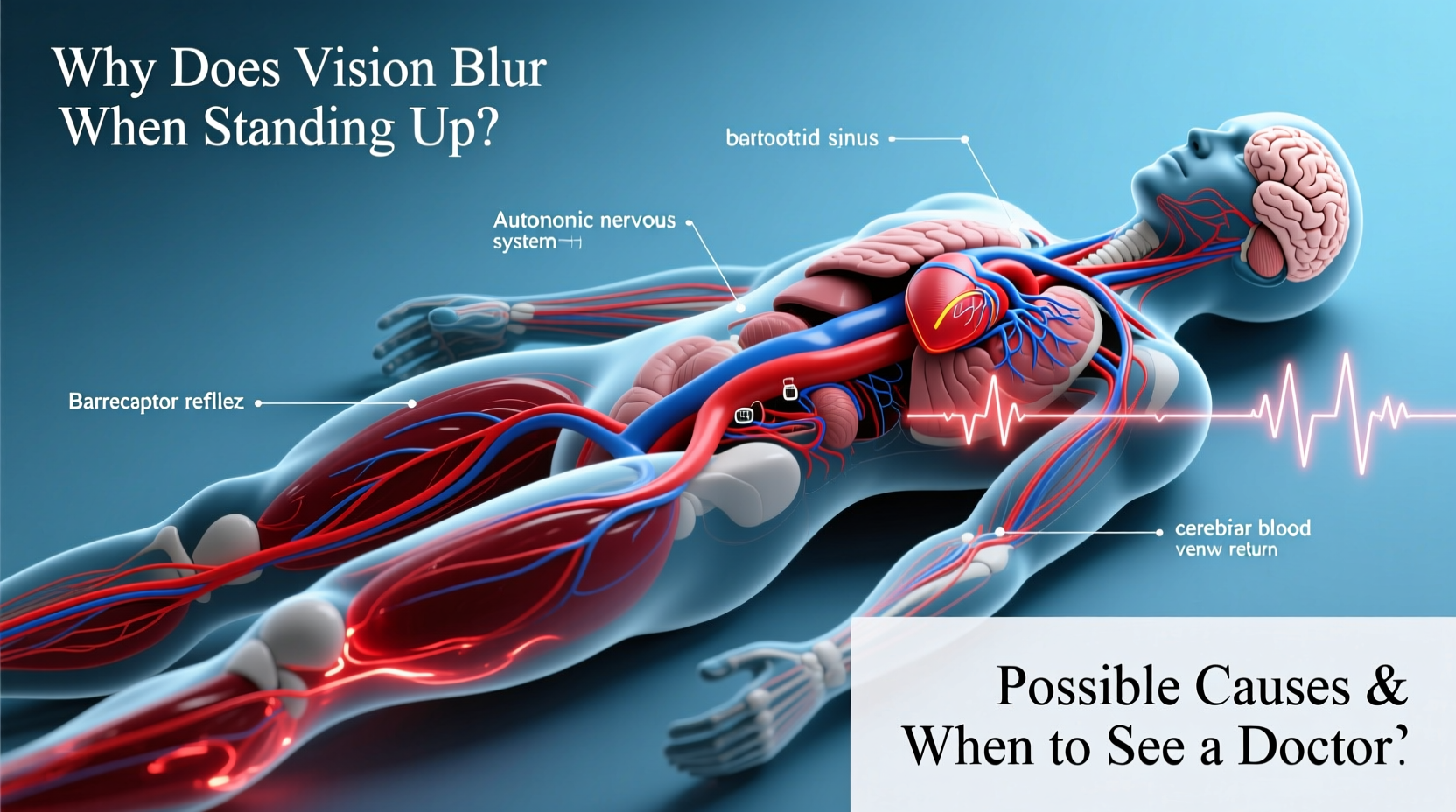
When you transition from sitting or lying down to standing, gravity pulls blood downward into your legs and abdomen. In response, your cardiovascular system must act swiftly: your heart rate increases slightly, blood vessels constrict, and blood pressure adjusts to maintain adequate blood flow to the brain. If this autonomic response lags or underperforms, cerebral perfusion drops temporarily—leading to reduced oxygen supply to visual centers in the brain. This momentary deficit often manifests as blurred vision, lightheadedness, dizziness, or even tunnel vision or fainting.
This condition is medically known as **orthostatic hypotension** (also called postural hypotension), defined as a drop of at least 20 mm Hg in systolic blood pressure or 10 mm Hg in diastolic pressure within three minutes of standing. It's one of the most common explanations for vision disturbances upon rising quickly.
Common Causes of Blurred Vision Upon Standing
Several physiological and environmental factors contribute to transient vision blurring when standing. Some are benign and easily corrected; others require closer monitoring.
1. Orthostatic Hypotension
As mentioned, this blood pressure drop affects up to 30% of older adults but can occur at any age. It’s especially prevalent in people with autonomic nervous system disorders, diabetes, Parkinson’s disease, or those taking certain medications like antihypertensives, diuretics, or antidepressants.
2. Dehydration
Inadequate fluid intake reduces blood volume, making it harder for the body to maintain pressure during posture changes. Even mild dehydration from insufficient water consumption, excessive sweating, or illness can trigger symptoms.
3. Inner Ear and Vestibular Issues
The vestibular system in the inner ear helps regulate balance and spatial orientation. Dysfunction here—such as in benign paroxysmal positional vertigo (BPPV) or vestibular neuritis—can distort sensory input, leading to disorientation and perceived visual disturbance when moving positions.
4. Anemia
Low red blood cell count impairs oxygen delivery throughout the body, including the brain. People with iron-deficiency anemia may experience fatigue, pallor, shortness of breath, and blurred vision when standing due to inadequate cerebral oxygenation.
5. Medication Side Effects
Drugs that lower blood pressure (e.g., beta-blockers, ACE inhibitors), sedatives, muscle relaxants, and some psychiatric medications can impair the body’s ability to regulate vascular tone and heart rate, increasing susceptibility to postural symptoms.
6. Prolonged Bed Rest or Inactivity
Extended periods of immobility weaken the circulatory system’s responsiveness. Astronauts returning from space and patients recovering from surgery often report orthostatic intolerance due to cardiovascular deconditioning.
7. Heart Conditions
Arrhythmias, heart failure, or structural abnormalities can limit cardiac output, reducing the heart’s capacity to compensate for gravitational shifts in blood distribution.
“Transient vision changes upon standing are often dismissed, but they can be early warning signs of autonomic dysfunction.” — Dr. Lena Patel, Neurologist and Autonomic Disorders Specialist
Risk Factors and Who Is Most Affected
Certain individuals are more prone to experiencing blurred vision when standing quickly. Recognizing personal risk factors enables proactive management.
| Risk Factor | Description | Prevalence/Notes |
|---|---|---|
| Age over 65 | Reduced baroreflex sensitivity and vascular elasticity | Affects ~20–30% of elderly adults |
| Diabetes | Nerve damage impairs autonomic regulation | Autonomic neuropathy in 20–30% of long-term diabetics |
| Pregnancy | Increased blood volume demands and hormonal vasodilation | Common in second and third trimesters |
| Low body weight / Eating disorders | Reduced muscle mass and poor circulation | Frequent in individuals with anorexia nervosa |
| Chronic alcohol use | Liver dysfunction and nerve damage | Contributes to neurogenic orthostatic hypotension |
When to See a Doctor: Red Flags and Warning Signs
Occasional, fleeting blurring that resolves within seconds is typically not concerning. However, persistent or worsening symptoms warrant medical attention. The following indicators suggest the need for professional evaluation:
- Frequent episodes – Occurring multiple times per week despite hydration and slow movements
- Syncope (fainting) – Losing consciousness even briefly increases fall risk and may point to serious cardiac or neurological conditions
- Chest pain or palpitations – Could indicate arrhythmia or heart disease
- Numbness, weakness, or slurred speech – May signal stroke or transient ischemic attack (TIA)
- Worsening symptoms over time – Progressive difficulty maintaining balance or vision clarity
- No improvement with lifestyle changes – Continued issues after correcting hydration, diet, and movement habits
Diagnostic testing may include tilt-table tests, blood work (for hemoglobin, electrolytes, glucose), ECG, echocardiogram, or referral to a neurologist or cardiologist depending on suspected cause.
Mini Case Study: Sarah’s Experience with Postural Dizziness
Sarah, a 42-year-old office worker, began noticing that her vision would blur every time she stood up from her desk. At first, she brushed it off as eye strain from computer use. But over several weeks, the episodes became more frequent—sometimes accompanied by nausea and a cold sweat. Concerned, she visited her primary care physician.
Blood tests revealed mild iron-deficiency anemia. Further questioning uncovered that Sarah had been skipping meals and drinking little water during work hours. Her doctor advised iron supplementation, increased fluid intake, and adopting a habit of pausing briefly after standing. Within two weeks, her symptoms improved significantly. A follow-up visit confirmed normalized hemoglobin levels, and Sarah reported no further vision disturbances.
This case illustrates how seemingly minor lifestyle imbalances can manifest in noticeable physical symptoms—and how timely intervention can restore normal function without invasive treatment.
Step-by-Step Guide to Managing and Preventing Episodes
If you're experiencing blurred vision when standing, take these practical steps to minimize occurrences and support overall circulatory health:
- Hydrate consistently – Aim for 6–8 glasses of water daily, more if active or in hot climates. Avoid excessive caffeine and alcohol, which promote fluid loss.
- Rise slowly – After lying down, first sit up and wait 10–15 seconds. Then dangle your legs off the bed before standing. This allows your circulation to adapt gradually.
- Stay physically active – Regular aerobic exercise strengthens heart and blood vessel function, improving autonomic control.
- Review medications – Consult your doctor about whether any prescriptions could be contributing. Do not stop medication without medical advice.
- Elevate your head while sleeping – Slightly raising the head of your bed (by 6–8 inches) can reduce overnight fluid shifts and morning symptoms.
- Wear compression stockings – These help prevent blood pooling in the legs, supporting venous return and stabilizing blood pressure.
- Eat balanced meals regularly – Skipping meals can lead to low blood sugar and reduced blood volume, both of which exacerbate dizziness.
- Monitor blood pressure at home – Track readings in different positions (lying, sitting, standing) to identify patterns and share them with your healthcare provider.
Do’s and Don’ts: Quick Reference Table
| Do’s | Don’ts |
|---|---|
| Drink plenty of fluids throughout the day | Stand up abruptly after lying down |
| Pause briefly before walking after standing | Ignore repeated fainting or near-fainting spells |
| Include salt in moderation if blood pressure is low | Overconsume salty foods if you have hypertension |
| Exercise regularly (walking, swimming, cycling) | Engage in prolonged standing without breaks |
| Keep a symptom diary (timing, triggers, duration) | Assume all dizziness is “just aging” |
Frequently Asked Questions
Is blurred vision when standing dangerous?
Occasionally, no—but if it happens frequently, lasts more than a few seconds, or is associated with other symptoms like chest pain, confusion, or fainting, it could indicate an underlying condition requiring diagnosis and treatment.
Can low blood sugar cause blurry vision upon standing?
Yes. Hypoglycemia can impair brain function and combine with postural changes to worsen dizziness and visual disturbances. People with diabetes should monitor glucose levels closely if experiencing such symptoms.
Why do I feel fine lying down but dizzy when upright?
This points to a failure in your body’s ability to regulate blood pressure during positional change. While lying flat, blood flows evenly to the brain. Standing disrupts this balance, revealing weaknesses in autonomic compensation.
Conclusion: Take Control of Your Symptoms
Blurred vision when standing quickly is not something you should simply accept as normal—even if it seems minor. While often caused by manageable factors like dehydration or rapid movement, it can also reflect deeper cardiovascular, neurological, or metabolic issues. By paying attention to your body’s signals, adjusting daily habits, and seeking medical guidance when needed, you can protect your long-term health and prevent falls or injuries.
Start today: hydrate mindfully, move deliberately, track your symptoms, and consult a healthcare provider if concerns persist. Your vision—and overall vitality—depends on more than just your eyesight. It reflects the intricate coordination between your heart, brain, and nervous system. Treat it with the care it deserves.




 浙公网安备
33010002000092号
浙公网安备
33010002000092号 浙B2-20120091-4
Comments
No comments yet. Why don't you start the discussion?