
Suddenly standing up and experiencing blurred vision—or even a brief dimming of sight, dizziness, or lightheadedness—is more common than many realize. While it may feel alarming, especially if it happens frequently, this phenomenon often has a physiological explanation rooted in how your circulatory system responds to positional changes. Dehydration is one potential cause, but it’s far from the only one. Understanding the underlying mechanisms can help you determine whether it’s a minor issue or a sign of something requiring medical attention.
What Happens When You Stand Up Too Quickly?
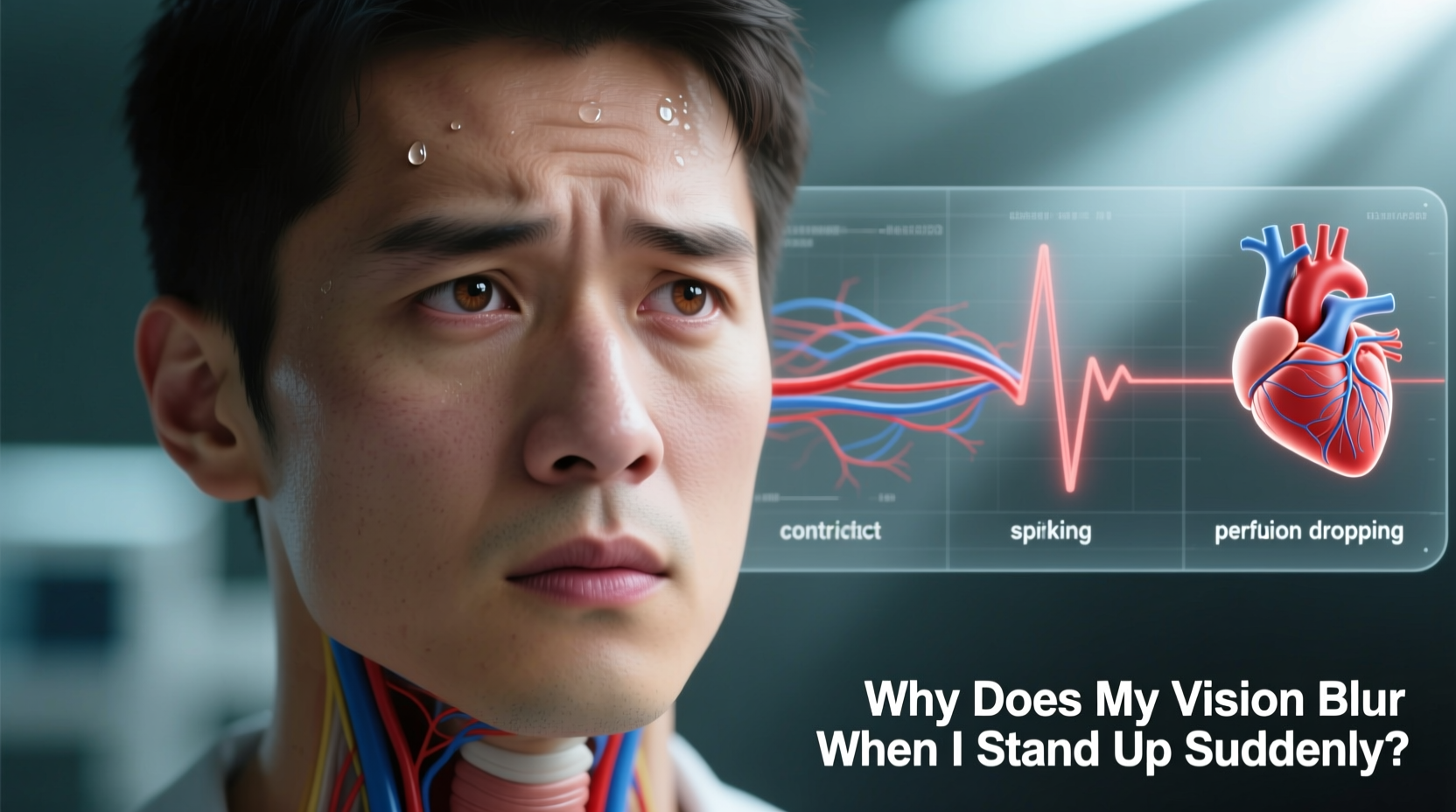
When you transition rapidly from sitting or lying down to standing, gravity pulls blood downward into your legs and abdomen. This temporary pooling reduces the amount of blood returning to your heart, which in turn lowers cardiac output and blood pressure. As a result, less oxygen reaches your brain for a few seconds—a condition known as cerebral hypoperfusion.
The body normally compensates quickly through the autonomic nervous system, which tightens blood vessels and increases heart rate to maintain stable blood flow to the brain. But if this reflex is delayed or impaired, you may experience symptoms such as:
- Blurred or tunnel vision
- Dizziness or lightheadedness
- Nausea or weakness
- A feeling of faintness
- Ringing in the ears (tinnitus)
This condition is medically referred to as **orthostatic hypotension**—a drop in systolic blood pressure of at least 20 mm Hg or diastolic pressure by 10 mm Hg within three minutes of standing.
Dehydration: A Common Culprit
Dehydration significantly increases the risk of orthostatic hypotension. When your body lacks sufficient fluids, blood volume decreases. With less fluid in circulation, your heart has a harder time maintaining adequate pressure, especially during sudden movements.
Situations that commonly lead to dehydration include:
- Exercising in hot environments without replenishing fluids
- Illness with vomiting or diarrhea
- Inadequate daily water intake
- Excessive alcohol consumption
- Diuretic medications or caffeine overuse
Even mild dehydration—defined as a 1–2% loss of body weight due to fluid—can impair cardiovascular regulation. In older adults or those with chronic conditions, this effect is magnified.
“Dehydration doesn’t just make you thirsty—it directly impacts your blood pressure stability, especially upon standing.” — Dr. Lena Patel, Cardiovascular Physiologist
Other Medical Causes Behind Blurry Vision on Standing
While dehydration is a frequent contributor, several other health conditions can produce similar symptoms. It’s essential to consider these possibilities, particularly if episodes are recurrent or worsening.
Anemia
Low red blood cell count reduces the blood’s oxygen-carrying capacity. When combined with reduced cerebral perfusion upon standing, this can trigger visual disturbances and fatigue.
Heart Conditions
Arrhythmias, heart failure, or valve disorders can limit the heart’s ability to respond to postural changes. Reduced cardiac output means slower compensation for gravity-induced blood shifts.
Neurological Disorders
Diseases affecting the autonomic nervous system—such as Parkinson’s disease, multiple system atrophy, or diabetic neuropathy—can impair the body’s ability to regulate blood pressure automatically.
Medication Side Effects
Several classes of medications are known to contribute to orthostatic symptoms:
| Medication Type | Examples | Mechanism |
|---|---|---|
| Blood pressure drugs | Hydralazine, nifedipine | Excessive vasodilation |
| Diuretics | Furosemide, hydrochlorothiazide | Fluid depletion |
| Antidepressants | Amitriptyline, doxepin | Alpha-blockade effects |
| Parkinson’s meds | Levodopa, dopamine agonists | Vasodilation and BP drop |
| Alpha-blockers | Tamsulosin, terazosin | Relax blood vessel tone |
If you’re on any long-term medication and notice increased episodes of blurry vision when standing, discuss this with your doctor before making changes.
Postural Orthostatic Tachycardia Syndrome (POTS)
POTS is a disorder primarily affecting younger individuals, especially women. Upon standing, patients experience not only dizziness and blurred vision but also a rapid increase in heart rate (typically over 30 bpm). Symptoms often improve when reclining.
Mini Case Study: Sarah’s Morning Dizziness
Sarah, a 29-year-old graphic designer, began noticing that she’d get “fuzzy vision” every morning when getting out of bed. Sometimes, the room would spin slightly, and she had to grab the wall to steady herself. At first, she dismissed it as fatigue. But after two weeks of increasing frequency—even occurring after lunch breaks—she consulted her primary care physician.
Blood tests revealed mild iron-deficiency anemia and borderline-low sodium levels. She admitted to drinking little water during work hours and relying on coffee for energy. Her doctor advised iron supplementation, increased hydration, and a small increase in dietary salt under supervision. Within three weeks, her symptoms resolved completely.
Sarah’s case illustrates how seemingly minor imbalances—dehydration, nutritional deficiency, and sedentary habits—can combine to produce noticeable neurological symptoms.
Step-by-Step Guide to Preventing Blurry Vision When Standing
Whether you're prone to occasional lightheadedness or managing a chronic condition, these steps can reduce your risk:
- Stay Hydrated Daily: Aim for at least 2–2.5 liters of water per day (adjust based on climate and activity). Monitor urine color—pale yellow indicates good hydration.
- Rise Gradually: Use the “log roll” technique when getting out of bed: roll onto your side, sit up slowly, dangle your legs off the bed for 10–15 seconds, then stand.
- Check Medications: Review prescriptions and OTC drugs with your doctor. Ask specifically about orthostatic side effects.
- Boost Electrolytes (if needed): In cases of excessive sweating or low-salt diets, adding modest amounts of sodium and potassium (through food or supplements) may help stabilize blood pressure.
- Exercise Regularly: Physical activity improves vascular tone and enhances autonomic responsiveness. Focus on aerobic exercise like walking, swimming, or cycling.
- Wear Compression Stockings: These help prevent blood pooling in the legs, especially beneficial for those with POTS or chronic venous insufficiency.
- Monitor Blood Pressure: Check your BP at home while lying down and again after standing for one and three minutes. Share results with your healthcare provider.
Do’s and Don’ts: Managing Orthostatic Symptoms
| Do | Don't |
|---|---|
| Drink water consistently throughout the day | Rely solely on thirst as a hydration cue |
| Eat balanced meals with adequate salt (unless contraindicated) | Consume large carbohydrate-heavy meals that can divert blood to the gut |
| Move your legs before standing (e.g., ankle pumps) | Stand up abruptly after prolonged rest |
| Track symptom patterns in a journal | Ignore recurring dizziness or near-fainting episodes |
| Consult a doctor if symptoms persist | Self-diagnose or stop prescribed medications without guidance |
FAQ: Common Questions About Vision Blurring on Standing
Is it normal to see black spots or blurriness when standing up?
Occasional mild blurring or darkening of vision when standing too fast is common and usually harmless. However, frequent or severe episodes—especially if accompanied by chest pain, palpitations, or loss of consciousness—should be evaluated by a healthcare professional.
Can low blood sugar cause blurred vision when standing?
Yes. Hypoglycemia can cause visual disturbances, shakiness, confusion, and dizziness. However, unlike orthostatic hypotension, low blood sugar symptoms typically occur regardless of posture and improve quickly after eating. That said, both conditions can coexist, particularly in people with diabetes.
Why do I feel better when I sit back down?
Returning to a seated or lying position reverses the gravitational pull on your blood. Blood flow to the brain normalizes quickly, resolving symptoms within seconds. This immediate relief supports a diagnosis related to posture-dependent circulation rather than a neurological event like a stroke or migraine.
When to Seek Medical Help
While most cases of transient vision blurring upon standing are benign, certain red flags warrant prompt evaluation:
- Fainting (syncope) or near-fainting episodes
- Chest pain or irregular heartbeat
- Shortness of breath
- Confusion or slurred speech
- Symptoms lasting longer than a minute after standing still
- Progressive worsening over time
Your doctor may perform a tilt-table test, check hemoglobin levels, assess electrolytes, or evaluate autonomic function depending on your history.
“Patients often dismiss dizziness as ‘just getting old’ or ‘not sleeping well.’ But persistent orthostatic symptoms deserve investigation—they can be early clues to treatable conditions.” — Dr. Marcus Tran, Internal Medicine Specialist
Conclusion: Listen to Your Body’s Signals
Blurred vision when standing up suddenly isn’t something to ignore—even if it seems minor. While dehydration is a common and correctable cause, it can also be a window into deeper issues involving your heart, nerves, or metabolism. Simple lifestyle adjustments like staying hydrated, moving mindfully, and monitoring your symptoms can go a long way toward preventing discomfort and maintaining balance.
More importantly, recognizing patterns and knowing when to seek help empowers you to take control of your health. If you’ve been brushing off these episodes, now is the time to pay closer attention. Small changes today could prevent bigger problems tomorrow.




 浙公网安备
33010002000092号
浙公网安备
33010002000092号 浙B2-20120091-4
Comments
No comments yet. Why don't you start the discussion?