
A washing machine should be the source of clean clothes—not foul odors. Yet, many homeowners are startled by a musty, mildew-like smell every time they open the lid or door. This damp, earthy stench isn’t just unpleasant; it can transfer to your laundry, leaving towels and clothes smelling less than fresh. The root cause often lies not in dirty clothes but in the machine itself. Modern high-efficiency (HE) washers, while water- and energy-saving, are particularly prone to moisture retention and microbial growth. Understanding why this happens—and how to stop it—is essential for maintaining both hygiene and appliance longevity.
What Causes Mildew Smell in Washing Machines?
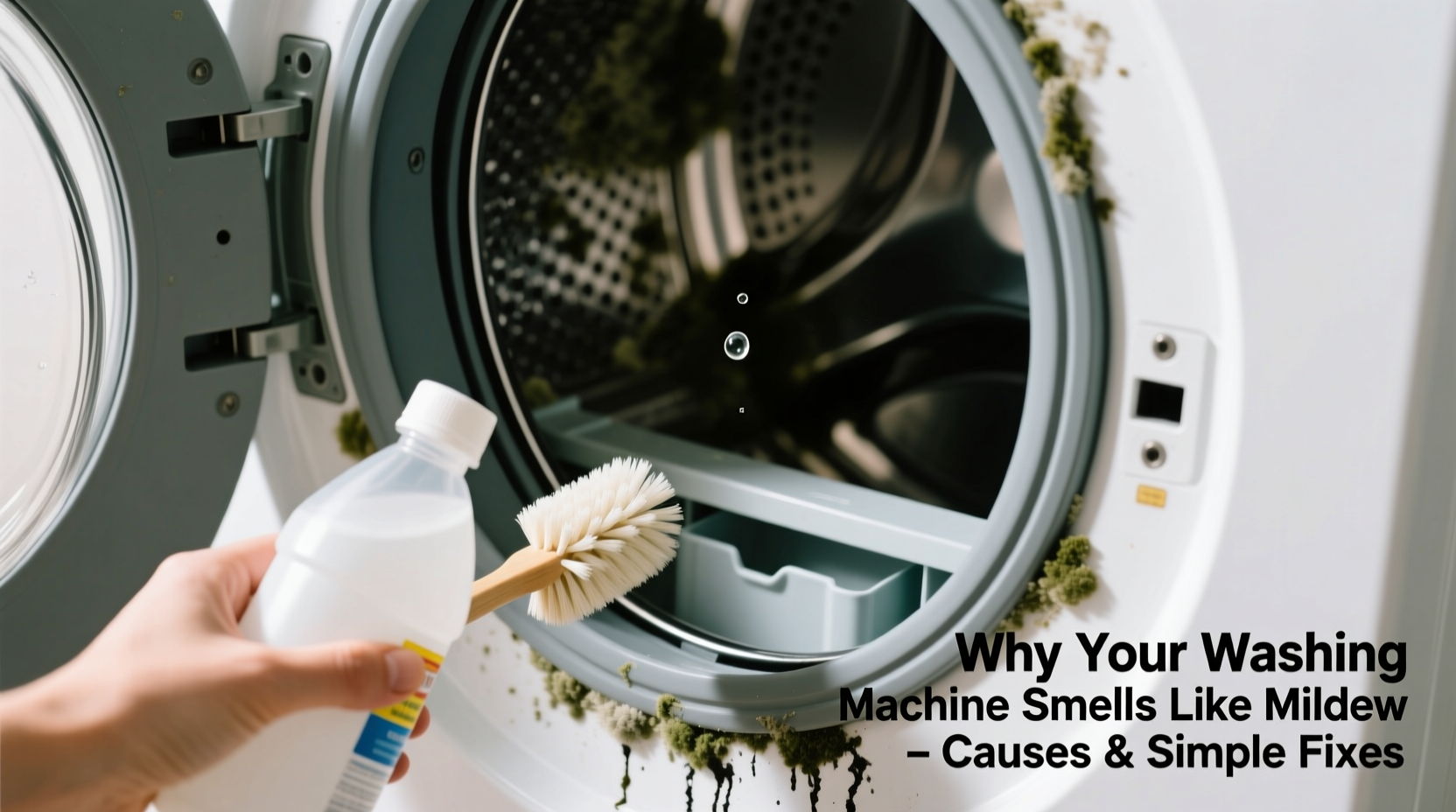
The primary culprit behind a smelly washing machine is the accumulation of moisture, soap residue, organic matter, and bacteria in hidden areas such as rubber gaskets, detergent dispensers, and internal drain pipes. Unlike older top-loading models that fully drained and aired out between cycles, front-load HE machines seal tightly during operation. This design traps humidity inside, creating an ideal breeding ground for mold and mildew.
Additional contributing factors include:
- Excessive detergent use: Too much soap doesn't fully rinse away, leaving a sticky film that traps dirt and bacteria.
- Fabric softener buildup: Liquid softeners coat internal components, reducing drainage efficiency and harboring microbes.
- Infrequent cleaning: Most users never clean their washer, allowing grime to accumulate over months or years.
- Leaving the door closed after use: This prevents airflow and keeps the drum damp, encouraging microbial growth.
- Cold water washing: While eco-friendly, cold cycles don’t kill bacteria or dissolve residues as effectively as hot water.
“Mildew odor in washing machines is almost always due to poor ventilation and residual organic material. It’s not a defect—it’s a maintenance issue.” — Dr. Lena Peterson, Home Appliance Hygiene Researcher, National Institute of Household Science
Step-by-Step Guide to Eliminate Mildew Smell
Eliminating the odor requires more than just masking it with fragrance. A deep cleaning targets the source: trapped moisture and microbial colonies. Follow this proven five-step process monthly or whenever odors return.
- Remove visible debris and wipe seals: Open the door and inspect the rubber door gasket (especially in front-loaders). Pull back the folds gently and wipe away black specks or slime with a microfiber cloth dampened with white vinegar. Pay attention to the bottom of the gasket where water pools.
- Clean the detergent and softener drawers: Slide out the dispenser tray (refer to your manual if needed). Soak it in warm vinegar water for 15 minutes, then scrub with an old toothbrush to remove buildup. Rinse thoroughly before reinserting.
- Run a hot cleaning cycle: Set your washer to the hottest, longest cycle (usually “Clean Washer” or “Tub Clean”). Add either:
- Two cups of white distilled vinegar, OR
- One cup of bleach (if you have a stainless steel drum and no septic system)
- Add baking soda for deodorizing: After the first cycle completes, sprinkle one cup of baking soda directly into the drum and run a second hot cycle. This neutralizes lingering odors and helps lift residue.
- Dry the interior: Wipe the drum and gasket with a dry towel. Leave the door and detergent drawer slightly ajar for 24–48 hours to ensure complete drying.
Preventive Maintenance Checklist
Prevention is far easier than remediation. Integrate these habits into your routine to keep your washing machine odor-free long-term.
- ✅ Wipe the door seal weekly with a vinegar-dampened cloth
- ✅ Leave the door and detergent drawer open after each use
- ✅ Use only HE-rated detergents in recommended amounts
- ✅ Avoid fabric softener or switch to wool dryer balls
- ✅ Run a cleaning cycle with vinegar or bleach once a month
- ✅ Wash full—but not overloaded—loads to ensure proper rinsing
- ✅ Clean the lint filter (if accessible) and check hoses annually
- ✅ Replace the rubber gasket if cracked or permanently mildewed (after 5–7 years)
Do’s and Don’ts: Maintaining a Fresh Washer
| Do | Don’t |
|---|---|
| Use high-efficiency (HE) detergent only | Overuse detergent or add extra “just in case” |
| Leave the door open between washes | Close the door and walk away immediately after a cycle |
| Wash workout clothes promptly after wearing | Store damp gym clothes in the hamper for days |
| Treat stains before washing instead of rewashing | Rerun soiled loads without cleaning the drum first |
| Inspect and clean the drain pump filter quarterly | Ignore pooling water at the base of the machine |
Real Example: How One Family Fixed Their Persistent Odor
The Thompson family in Portland had grown used to the sour smell emanating from their two-year-old front-loading washer. Towels came out feeling gritty and smelling off, despite using premium detergent and scent boosters. They tried running empty hot cycles, adding scented pods, and even placing dryer sheets in the drum—nothing worked long-term.
After consulting a technician, they discovered thick black mold behind the door gasket and sludge in the drain filter. Following the deep-cleaning protocol above—including monthly vinegar cycles and keeping the door ajar—the odor vanished within two weeks. More importantly, their clothes began coming out truly fresh again. The key insight? “We thought the machine cleaned itself,” said Sarah Thompson. “But we realized we had to clean the cleaner.”
Alternative Cleaning Methods and Natural Solutions
Not everyone prefers bleach or commercial cleaners. Fortunately, several natural alternatives are effective and safe for most machines.
- White vinegar and baking soda: As outlined earlier, this duo breaks down residue and neutralizes odors without harsh chemicals.
- Citric acid powder: Dissolve one packet (about 2 tablespoons) in the detergent drawer and run a hot cycle. Effective against limescale and biofilm.
- Eucalyptus or tea tree oil: Add 10–15 drops to a cup of baking soda and run a hot cycle. These essential oils have natural antimicrobial properties.
- Commercial washer tablets: Brands like Affresh or Tide Washer Cleaner offer pre-measured options for consistent results.
Note: Avoid using undiluted essential oils directly on rubber parts, as they may degrade the material over time.
When to Call a Professional
While most mildew smells can be resolved with diligent cleaning, some situations require expert intervention:
- Visible mold behind the drum or inside internal hoses
- Persistent sewage-like odor (could indicate a plumbing trap issue)
- Water leaking from the base after cleaning
- No improvement after multiple deep-cleaning attempts
In such cases, a certified appliance technician can disassemble parts safely, inspect for blockages, and replace worn seals or pumps. Ignoring chronic issues may lead to costly repairs or premature replacement.
FAQ: Common Questions About Smelly Washing Machines
Can I use bleach to clean any washing machine?
Bleach is safe for most top-loading and front-loading machines with stainless steel tubs. However, avoid using bleach on aluminum or plastic drums, and never mix it with vinegar or ammonia. If you have a septic system, opt for vinegar or oxygen-based cleaners instead, as bleach can disrupt bacterial balance.
Why does my washer smell worse after using fabric softener?
Fabric softener leaves a waxy coating inside the drum, dispenser, and hoses. This residue traps moisture and organic matter, accelerating mold growth. Switching to dryer balls or eliminating softener altogether often resolves the issue.
How often should I clean my washing machine?
Perform a full cleaning cycle every 1–2 months. Wipe the gasket and leave the door open after every use. If you wash heavily soiled clothes frequently or live in a humid climate, increase cleaning frequency to monthly.
Conclusion: Take Control of Your Washer’s Hygiene
A mildew-smelling washing machine is a common but solvable problem. The odor is not inevitable—it's a sign that moisture and organic buildup have gone unchecked. By understanding the causes and committing to simple, regular maintenance, you can restore freshness and ensure your clothes come out as clean as they should be. The solution isn’t complicated: clean the machine as diligently as you expect it to clean your laundry.




 浙公网安备
33010002000092号
浙公网安备
33010002000092号 浙B2-20120091-4
Comments
No comments yet. Why don't you start the discussion?