
If you've opened your front-loading washing machine only to be greeted by a musty, damp odor reminiscent of a basement after rain, you're not alone. Mildew-like smells in front-load washers are common—so common that many owners assume it's normal. It’s not. That persistent stench is a sign of microbial growth, trapped moisture, and detergent buildup, all thriving in the very appliance meant to clean your clothes. Left unaddressed, these odors can transfer to laundry, degrade rubber seals, and even affect indoor air quality. The good news: with the right knowledge and routine, you can eliminate the smell and prevent it from returning.
The Hidden Cause Behind Front Loader Odors
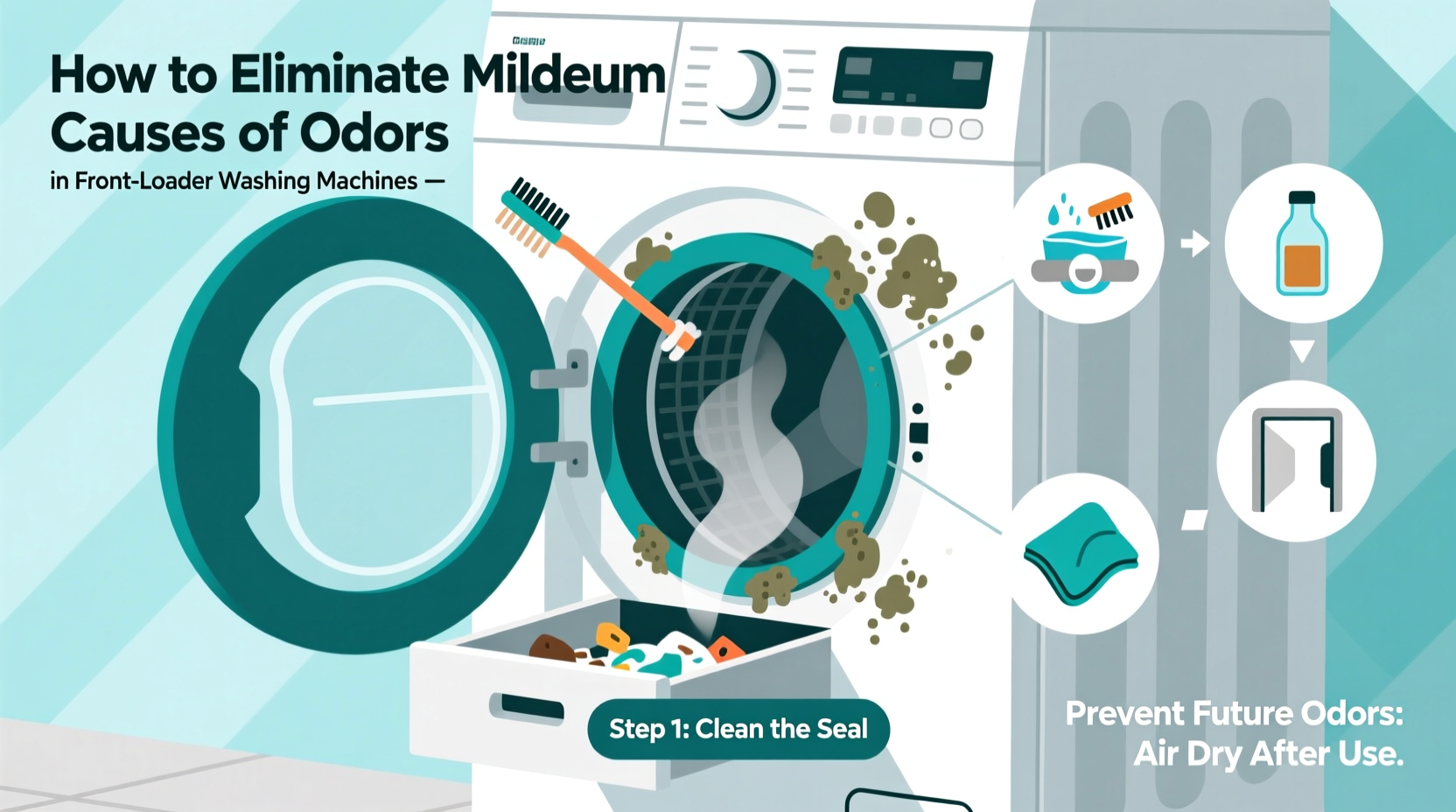
Unlike top-loading machines, front-load washers use a horizontal drum and a watertight door seal made of rubber or silicone. This design is efficient and uses less water, but it creates an environment prone to moisture retention. After each cycle, residual water gets trapped in the door gasket, drain pump, and detergent dispenser. Combined with warmth and organic matter (from body oils, sweat, and leftover detergent), this creates an ideal breeding ground for mold and mildew.
The smell often starts subtly—a faint earthiness after a heavy load—but intensifies over time. What begins as a minor annoyance can become a full-blown stink bomb every time the door opens. The issue isn’t dirt on clothes; it’s contamination within the machine itself.
“Front-loaders are more energy-efficient, but their sealed design traps moisture. Without proper maintenance, microbial colonies establish themselves quickly.” — Dr. Lena Peterson, Microbiologist & Home Appliance Researcher
Step-by-Step Guide to Eliminate Washing Machine Odors
Removing mildew smell requires more than just running an empty cycle. You need to target the root causes: biofilm buildup, stagnant water, and microbial colonies. Follow this detailed cleaning process every 1–2 months, or immediately if odors are present.
- Remove and clean the door gasket: Pull back the rubber seal around the door. Check for black spots, slime, or trapped debris. Wipe it thoroughly with a microfiber cloth soaked in a solution of equal parts white vinegar and warm water. Pay special attention to the underside and bottom folds where water pools.
- Clean the detergent and fabric softener dispensers: Remove the drawer and rinse under warm water. Soak in vinegar for 15 minutes to dissolve residue. Use an old toothbrush to scrub crevices. Reinsert only when completely dry.
- Run a hot cleaning cycle: Set the washer to its hottest water setting (usually 90°C/194°F) with no clothes inside. Add one of the following:
- 2 cups of distilled white vinegar
- OR ¾ cup of bleach (if your machine manufacturer allows it)
- OR a commercial washing machine cleaner (e.g., Affresh, Tide Washer Cleaner)
- Clean the drain pump filter: Locate the small access panel near the bottom front of the machine. Place towels underneath—it will leak water. Open the filter cap slowly and remove lint, coins, or debris. Rinse the filter and reinstall.
- Wipe down the drum: After the cycle finishes, use a vinegar-dampened cloth to wipe the interior drum, especially around the edges and behind the agitator if applicable.
- Leave the door open post-wash: Allow airflow to dry out the drum and gasket. Never close the door tightly after use.
Do’s and Don’ts of Front Load Washer Maintenance
| Action | Do | Don't |
|---|---|---|
| After each use | Leave the door and detergent drawer slightly ajar for ventilation | Close the door tightly, trapping moisture inside |
| Detergent use | Use HE (high-efficiency) detergent in recommended amounts | Overuse detergent or use regular liquid/gel meant for top loaders |
| Laundry habits | Remove wet clothes immediately after the cycle ends | Let damp laundry sit for hours or overnight |
| Cleaning agents | Use vinegar, baking soda, or manufacturer-approved cleaners | Mix bleach and vinegar—they create toxic chlorine gas |
| Odor response | Address smells early with a deep clean | Ignore persistent odors hoping they’ll go away |
Real Example: How Sarah Fixed Her Smelly Washer
Sarah, a mother of two in Portland, noticed her towels had started coming out smelling sour. At first, she blamed the detergent and switched brands twice. When the problem persisted, she inspected her front-loader and found thick, black slime beneath the rubber door seal. Alarmed, she researched solutions and followed the step-by-step cleaning method above. She removed the gasket, cleaned it with vinegar, ran a 90°C cycle with bleach, and cleared a clogged drain filter filled with hair and soap scum. Afterward, she committed to leaving the door open between uses and using only HE detergent. Within two weeks, the odor vanished—and hasn’t returned in over eight months. “I didn’t realize how much neglect was built into my routine,” she said. “Now I treat the washer like any other appliance that needs care.”
Preventative Checklist for Long-Term Freshness
To keep your washing machine smelling neutral and functioning efficiently, follow this monthly checklist:
- ✅ Clean the door gasket with vinegar solution
- ✅ Remove and rinse the detergent drawer
- ✅ Run a hot cleaning cycle with vinegar or approved cleaner
- ✅ Inspect and clear the drain pump filter
- ✅ Wipe down the drum and outer lip of the door
- ✅ Ensure the exterior vent or area around the machine is dust-free
- ✅ Confirm you’re using HE detergent and the correct dosage
Frequently Asked Questions
Can I use bleach to clean my front-loading washer?
Yes, but with caution. Most manufacturers allow bleach for periodic cleaning, but only in the designated dispenser and never mixed with vinegar or other cleaners. Check your user manual first. If your machine has stainless steel components, repeated bleach use may cause corrosion over time. For most users, white vinegar is a safer, eco-friendly alternative that effectively kills mold and deodorizes.
Why does my washer smell worse after using fabric softener?
Fabric softeners—especially liquid forms—leave behind a waxy residue that clings to the drum, hoses, and seals. This residue traps moisture and combines with organic matter to feed mold growth. Over time, it becomes rancid, producing a stronger odor than before. Consider switching to dryer balls or reducing softener use. If you do use it, apply sparingly and run extra rinse cycles to flush residues.
Is mold in my washing machine dangerous?
While not immediately hazardous, prolonged exposure to mold spores from a contaminated washer can aggravate allergies, asthma, and respiratory conditions. Certain molds produce mycotoxins, which may pose health risks with chronic exposure. Additionally, mold can degrade rubber seals and hoses, leading to leaks and costly repairs. Address visible mold or persistent odors promptly to protect both health and appliance longevity.
Expert-Backed Tips for Odor-Free Performance
Beyond routine cleaning, several advanced practices can enhance your machine’s hygiene and efficiency:
- Use less detergent: Excess suds don’t improve cleaning—they leave residue. Stick to the manufacturer’s recommended amount, often just one tablespoon for HE detergents.
- Avoid overloading: Crowded loads reduce water circulation, leaving clothes damp and promoting bacterial growth. Leave space for garments to tumble freely.
- Wash workout clothes promptly: Synthetic fabrics trap bacteria that thrive in warm, moist environments. Wash gym clothes immediately after use and consider adding vinegar to the rinse cycle.
- Upgrade your detergent: Some HE detergents are formulated to reduce buildup and resist mold. Look for labels like “cleaner-friendly” or “low-residue.”
- Inspect hoses annually: Cracked or bulging inlet hoses can leak and contribute to humidity around the unit. Replace them every five years as a safety measure.
“The biggest misconception is that washing machines clean themselves. They don’t. They accumulate grime just like dishwashers or humidifiers. Regular maintenance isn’t optional—it’s essential.” — Carlos Mendez, Appliance Technician with 15 Years of Field Experience
Conclusion: Take Control of Your Machine’s Hygiene
Your washing machine should freshen your clothes, not contaminate them. The mildew smell plaguing so many front-load owners is entirely preventable with consistent care. By understanding how moisture and residue interact in sealed environments, you can disrupt the cycle of decay before it begins. Implement a simple monthly cleaning routine, adjust your laundry habits, and stay vigilant about ventilation. These steps cost little in time or money but deliver significant returns in cleanliness, machine lifespan, and peace of mind.




 浙公网安备
33010002000092号
浙公网安备
33010002000092号 浙B2-20120091-4
Comments
No comments yet. Why don't you start the discussion?