
A foul, musty odor coming from your washing machine is more than just unpleasant—it’s a sign that something’s wrong. If you’ve opened your washer lately and been greeted by a damp basement-like stench, you’re likely dealing with mildew. This common household issue affects both front-load and top-load machines, though front-loaders are especially prone due to their tight seals and lower water usage. The good news? You don’t need expensive repairs or professional help to fix it. With the right knowledge and a quick cleaning routine, you can eliminate the smell and prevent it from returning.
Why Mildew Forms in Washing Machines
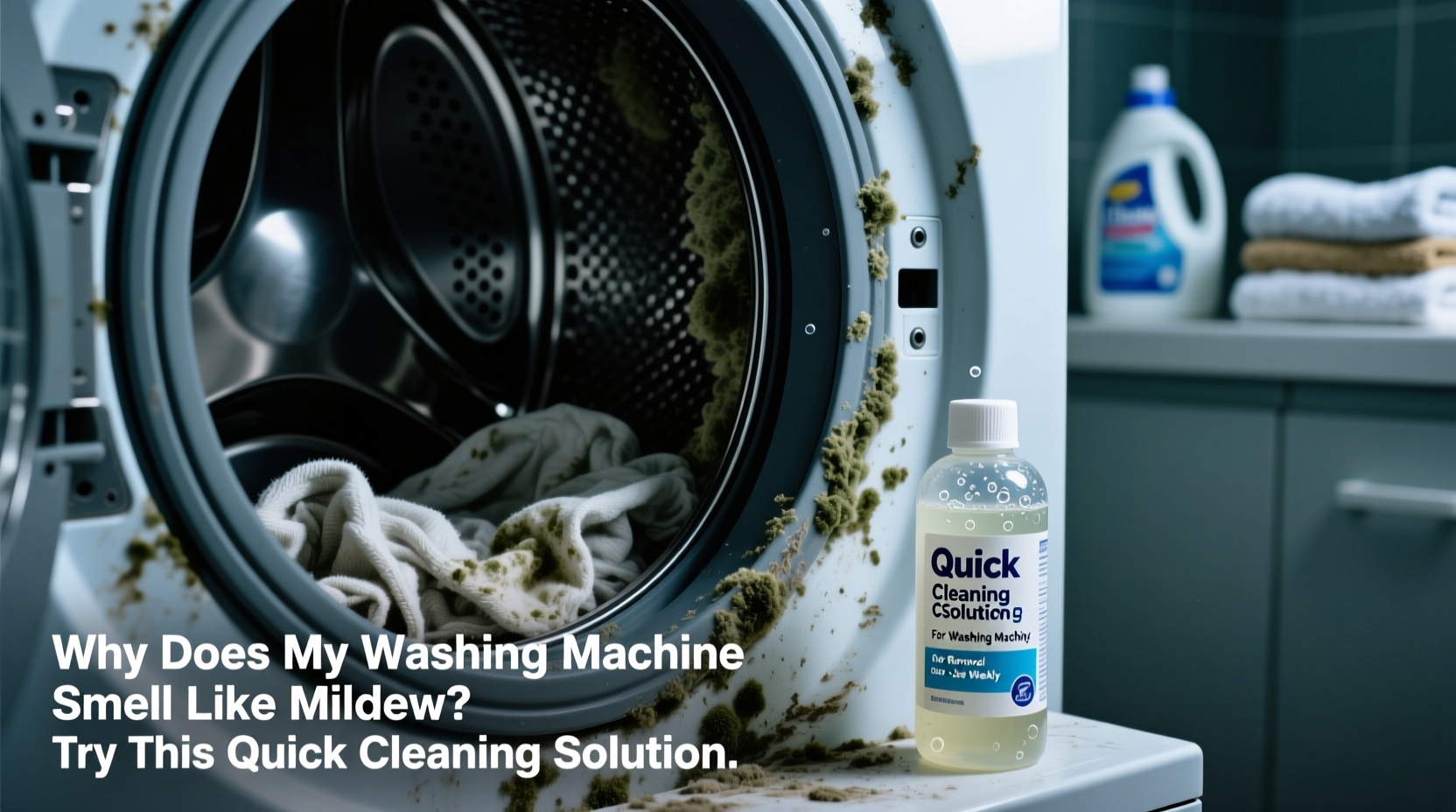
Mildew is a type of fungus that thrives in warm, moist environments—exactly the conditions inside many modern washing machines. Unlike traditional models that used large amounts of water and high heat, today’s energy-efficient washers often operate with cooler temperatures and less water, which means they don’t fully rinse away detergent residue, lint, and organic matter like hair or skin cells. These remnants become food for mold and mildew.
The rubber gasket around front-loading machines traps moisture and collects debris over time. Detergent buildup, fabric softener residue, and even small items like socks or tissues left behind after cycles contribute to the problem. Once mildew takes hold, it releases spores that produce the characteristic musty smell, which then transfers to your clothes—even clean ones.
“Many people assume their washer is self-cleaning, but without regular maintenance, it becomes a breeding ground for bacteria and mold.” — Dr. Lena Peterson, Environmental Health Specialist
Step-by-Step: Quick Cleaning Solution to Eliminate Odors
The most effective way to remove mildew smell is a deep clean using common household ingredients. This process takes about 30 minutes and should be done monthly—or immediately if odors appear.
- Remove all laundry and accessories: Take out clothes, dryer balls, mesh bags, and any items stored in the drum or dispenser tray.
- Clean the detergent drawer: Slide out the dispenser tray (usually removable) and wash it under warm, soapy water. Use an old toothbrush to scrub crevices where sludge builds up.
- Wipe the door seal (front-loaders): Open the rubber gasket carefully and inspect underneath. Use a microfiber cloth dipped in vinegar or a bleach solution (1 part bleach to 10 parts water) to wipe down all surfaces, including hidden folds.
- Run a hot cleaning cycle: Set your machine to the hottest, longest cycle available (typically “Clean Washer,” “Tub Clean,” or “Sanitize”). Add one of the following:
- 2 cups of white distilled vinegar
- OR ¾ cup of bleach (if your machine manual allows it)
- Scrub the drum (optional): After the cycle finishes, use a soft brush or cloth to gently scrub any visible residue on the drum walls.
- Leave the door open: After cleaning, keep the door and detergent drawer slightly ajar to allow airflow and prevent future moisture buildup.
Do’s and Don’ts of Washing Machine Maintenance
| Do’s | Don’ts |
|---|---|
| Run a cleaning cycle monthly | Use excessive detergent |
| Leave the door and detergent tray open when not in use | Store wet clothes in the washer overnight |
| Use high-efficiency (HE) detergent only | Overload the machine regularly |
| Wipe the gasket weekly with a dry cloth | Ignore visible mold spots |
| Check pockets before washing | Use fabric softener sheets excessively—they leave waxy residue |
Real Example: How Sarah Fixed Her Smelly Washer in One Hour
Sarah had been noticing a persistent mildew smell in her towels for weeks. She washed them multiple times, tried different detergents, and even air-dried them outside—but the odor remained. Frustrated, she inspected her front-load Samsung washer and found black specks along the rubber seal. A quick online search led her here.
She followed the step-by-step cleaning guide using white vinegar. She removed the detergent drawer, cleaned it thoroughly, wiped the entire gasket with a vinegar-soaked cloth, and ran a 90°C (194°F) cycle with 2 cups of vinegar. After the cycle ended, she wiped the drum and left the door open. The next day, her towels came out fresh, and the machine no longer emitted any odor. Sarah now schedules a monthly cleaning reminder on her phone and wipes the seal every Sunday.
Preventive Habits to Stop Mildew Before It Starts
Once you’ve eliminated the current odor, maintaining a clean washer is key. Mildew doesn’t return overnight, but poor habits accelerate its comeback. Here’s what to incorporate into your routine:
- Use less detergent: Most people use 2–3 times more than needed. Excess soap doesn’t rinse away and feeds microbial growth.
- Switch to liquid HE detergent: Powder detergents can settle at the bottom and clump, creating sludge.
- Remove laundry promptly: Leaving damp clothes in the drum for more than an hour creates a humid environment perfect for mildew.
- Avoid fabric softener in liquid form: It coats the drum and pipes, trapping moisture and grime.
- Run hot washes occasionally: Even if you mostly use cold water, run a hot cycle with towels or bedding once a month to sanitize the tub.
Checklist: Monthly Washing Machine Maintenance Routine
Print or save this checklist to ensure your washer stays fresh and functional:
- ☐ Remove and clean detergent, bleach, and softener drawers
- ☐ Inspect and wipe the door seal (front-loaders) or lid area (top-loaders)
- ☐ Run a hot water cycle with 2 cups of white vinegar or ¾ cup of bleach
- ☐ Check the drain pump filter (especially in Samsung, LG, and Whirlpool models) for lint and debris
- ☐ Wipe down the exterior control panel and door with a damp cloth
- ☐ Leave the door and detergent tray open for at least 12 hours post-cleaning
- ☐ Verify that hoses are secure and free of kinks or leaks
Frequently Asked Questions
Can I use baking soda instead of vinegar?
Yes, but not alone. Baking soda is excellent for deodorizing but doesn’t kill mold as effectively as vinegar or bleach. For best results, run a vinegar cycle first, then follow with a second cycle using ½ cup of baking soda added to the drum. This two-step method cleans and neutralizes odors deeply.
Is the smell dangerous to health?
Prolonged exposure to mold and mildew spores can trigger respiratory issues, especially in people with asthma, allergies, or weakened immune systems. While occasional exposure isn’t typically harmful, a consistently smelly washer should be addressed to maintain indoor air quality and hygiene.
Why does my new washing machine already smell?
Even brand-new machines can develop odors within months due to factory residues, low-water wash cycles, and improper ventilation. Many manufacturers recommend running a cleaning cycle before first use. Additionally, storing a new machine in a damp garage or basement before installation can introduce moisture that fosters early mildew growth.
Conclusion: Take Action Today for a Fresher, Healthier Home
A smelly washing machine isn’t just inconvenient—it undermines the very purpose of doing laundry: cleanliness. The mildew odor is a clear signal that your appliance needs attention, but the solution is simpler than most realize. With a quick cleaning using vinegar or bleach and consistent preventive habits, you can restore freshness and extend the life of your machine.
Don’t wait until the smell becomes unbearable or starts affecting your clothes. Implement the cleaning steps outlined here, stick to the monthly checklist, and make proper maintenance part of your household rhythm. Your nose—and your laundry—will thank you.




 浙公网安备
33010002000092号
浙公网安备
33010002000092号 浙B2-20120091-4
Comments
No comments yet. Why don't you start the discussion?