
If you've opened your washing machine lately only to be greeted by a damp, musty odor reminiscent of old towels or a basement after rain, you're not alone. Mildew smell in washing machines is one of the most common household issues — especially with high-efficiency (HE) front-load models, though top-loaders aren't immune. The irony? A machine designed to clean clothes ends up harboring grime and bacteria. The good news: this problem is fixable, often without expensive repairs or replacements. With the right understanding and a consistent cleaning routine, you can eliminate the stench and keep your washer fresh for months.
Why Your Washing Machine Develops Mildew Smell
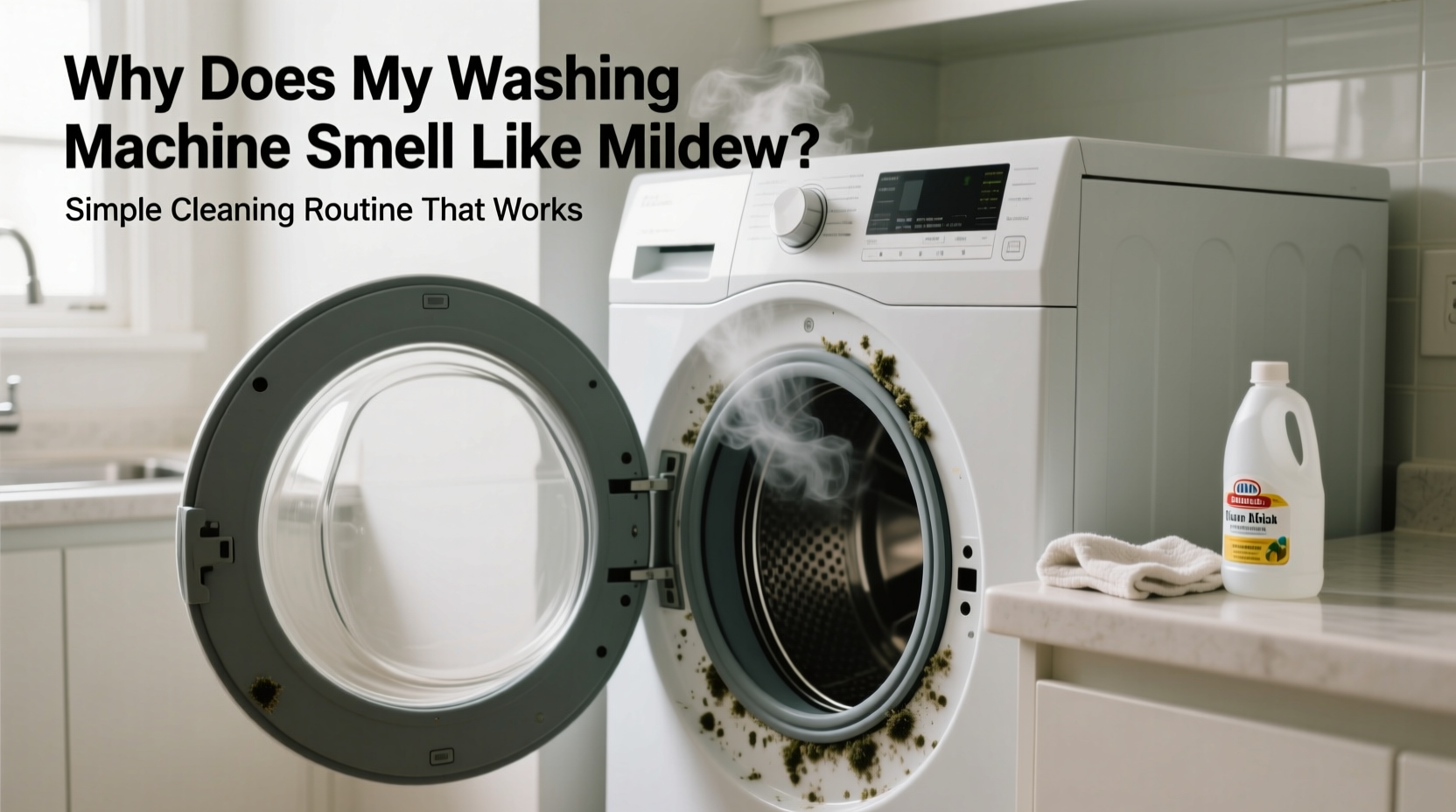
The root cause of mildew odor lies in moisture retention, organic buildup, and poor ventilation. Modern washing machines, particularly energy-efficient models, use less water and lower temperatures to save resources. While eco-friendly, these conditions create a breeding ground for mold and mildew. Residual detergent, fabric softener, body oils, lint, and dirt accumulate in gaskets, drains, and hidden crevices. When combined with trapped moisture, especially in rubber door seals and detergent dispensers, microbial growth follows.
Front-loading washers are especially prone due to their tight rubber gaskets that seal the door. These seals trap water and debris, creating a dark, humid environment perfect for mold. Top-loaders with agitators may avoid some seal issues but can still develop odor from standing water in the drum or pump area if not properly drained.
“Moisture + organic residue + warmth = microbial party. It’s not just unpleasant—it can transfer odors to your clothes and irritate sensitive skin.” — Dr. Lena Patel, Environmental Microbiologist
Step-by-Step Deep Cleaning Routine That Works
A thorough cleaning once a month can prevent persistent odors and maintain machine efficiency. This six-step process targets every hotspot where mildew thrives. Use household ingredients you likely already have—no harsh chemicals required.
- Clear the Drum and Remove Debris
Remove any clothes, socks, or items stuck in the drum. Check under the agitator (in top-loaders) or around the rubber seal (in front-loaders) for forgotten tissues, coins, or hair ties. Wipe visible gunk from the seal with a microfiber cloth. - Clean the Door Gasket (Front-Loaders)
Pull back the rubber seal gently and inspect the folds. Use a damp cloth soaked in a 1:1 solution of white vinegar and water to wipe down all surfaces. Pay attention to the bottom fold, where water and sludge collect. For stubborn black spots (mold), apply a paste of baking soda and water, let sit for 10 minutes, then scrub gently with an old toothbrush. - Run a Hot Sanitize Cycle with Vinegar
Set your washer to the hottest, longest cycle (usually \"Sanitize\" or \"Clean Washer\"). Pour two cups of distilled white vinegar directly into the drum—do not use the detergent dispenser. Vinegar's acetic acid kills mold, removes mineral deposits, and dissolves soap scum. Let the cycle complete fully. - Clean the Detergent and Fabric Softener Dispensers
Remove drawers according to your model’s manual. Soak them in warm vinegar water for 15 minutes. Scrub crevices with a toothbrush to remove sticky residues. Rinse thoroughly before reinserting. - Deodorize with Baking Soda
After the vinegar cycle, sprinkle one cup of baking soda directly into the drum. Run a second hot cycle. Baking soda neutralizes lingering odors and helps lift greasy residues left behind. - Wipe Down and Dry All Surfaces
At the end of the cycle, use a dry microfiber towel to wipe the drum, door, gasket, and dispenser areas. Ensure no moisture remains. Leave the door and drawer open overnight to air out completely.
Maintenance Tips Between Deep Cleans
- Use high-efficiency (HE) detergent only—regular detergents leave more residue.
- Avoid overloading the machine; it reduces rinsing effectiveness.
- Never store wet clothes in the washer for more than 30 minutes post-cycle.
- Switch to liquid detergent instead of pods if residue builds up quickly.
Do’s and Don’ts of Washing Machine Care
| Do’s | Don’ts |
|---|---|
| Leave the door and detergent drawer open after each use | Close the door tightly after washing |
| Use vinegar and baking soda monthly for deep cleaning | Mix bleach and vinegar—they produce toxic fumes |
| Inspect and clean the drain pump filter quarterly | Ignore small puddles or slow drainage—they signal clogs |
| Run a maintenance cycle monthly | Use excessive detergent or fabric softener |
| Wipe the gasket weekly with a dry cloth | Use abrasive scrubbers that can damage seals |
Real Example: How Sarah Fixed Her Smelly Washer in One Weekend
Sarah, a mother of three in Portland, Oregon, noticed her towels started smelling worse after washing. “I thought I needed new towels,” she said. “But the smell was coming from the machine itself.” She tried running empty cycles with bleach, which helped temporarily but didn’t solve the root issue. After researching online, she followed the vinegar-and-baking-soda method described above. She removed half a cup of black gunk from the bottom of her front-loader’s door seal. After the two-part cleaning cycle, the odor vanished. More importantly, she adopted the habit of leaving the door ajar and wiping the seal weekly. Six months later, her washer still runs odor-free. “It took less than an hour to fix, and now my laundry smells like sunshine again,” she shared.
Alternative Cleaning Agents: What Works Best?
While vinegar and baking soda are safe and effective, some users prefer commercial cleaners or alternatives. Here’s how they compare:
- White Vinegar: Natural disinfectant, breaks down minerals, eliminates odors. Safe for most machines. Avoid frequent use in hard water areas unless followed by rinsing.
- Baking Soda: Excellent deodorizer and gentle abrasive. Ideal for odor control and residue lifting.
- Bleach (Sodium Hypochlorite): Powerful against mold and bacteria. Use only on whites and non-metal parts. Never mix with vinegar. Run an extra rinse cycle afterward.
- Commercial Washer Cleaners: Brands like Affresh or Tide Washing Machine Cleaner offer pre-measured tablets. Convenient but cost more over time. Some contain sulfamic acid, which effectively dissolves limescale.
- Hydrogen Peroxide (3%): A gentler alternative to bleach. Has antimicrobial properties and is safer for septic systems.
“For long-term reliability, natural solutions like vinegar and routine maintenance beat chemical overload every time.” — Mark Reynolds, Appliance Repair Technician with 18 years of experience
Frequently Asked Questions
Can I use bleach instead of vinegar to clean my washing machine?
Yes, but with caution. Bleach is effective at killing mold and sanitizing the drum, especially in top-loading machines. Use ¾ cup of regular bleach in the bleach dispenser or drum on the hottest cycle. However, bleach should never be mixed with vinegar or ammonia, as it creates dangerous gases. Also, frequent bleach use can degrade rubber seals over time, so limit it to once every few months.
How often should I clean my washing machine?
Perform a full cleaning routine once a month for optimal performance. If you live in a humid climate, do heavy laundry daily, or notice early signs of odor, consider biweekly cleaning. Even if no smell is present, a monthly maintenance cycle prevents buildup before it becomes problematic.
Why does my HE washer need more maintenance than older models?
High-efficiency washers use up to 40% less water and lower temperatures to conserve energy. While efficient, these settings don’t always flush away detergent residue or kill microbes effectively. Additionally, tighter seals improve water retention during cycles but trap moisture afterward. Older top-loading machines used more water and agitation, naturally rinsing away more residue. Thus, modern machines require proactive care to compensate for reduced water usage.
Preventive Checklist for Odor-Free Washing Machines
To stay ahead of mildew, follow this simple checklist monthly:
- ✅ Run a hot cycle with 2 cups of white vinegar
- ✅ Follow with a baking soda cycle (1 cup)
- ✅ Clean the detergent drawer and door gasket
- ✅ Inspect and clear the drain pump filter
- ✅ Wipe down the rubber seal with a dry cloth
- ✅ Leave the door and drawer open for 12+ hours post-cleaning
- ✅ Switch to HE-compatible, low-residue detergent
Conclusion: Take Control of Your Washer’s Freshness
The mildew smell in your washing machine isn’t a mystery—it’s a sign of trapped moisture and organic buildup. But it doesn’t have to be permanent. With a straightforward monthly routine using affordable, non-toxic ingredients, you can restore freshness and extend the life of your appliance. The key is consistency: just like brushing your teeth prevents decay, regular washer maintenance stops odor before it starts. Don’t wait until the smell overwhelms your laundry room. Implement this cleaning method today, and enjoy truly clean, fresh-smelling clothes with every wash.




 浙公网安备
33010002000092号
浙公网安备
33010002000092号 浙B2-20120091-4
Comments
No comments yet. Why don't you start the discussion?