
A washing machine is designed to clean clothes, but when it starts emitting a musty, damp odor—especially after running a cleaning cycle—it defeats its own purpose. Many homeowners are baffled when this happens, having followed manufacturer guidelines and used vinegar or bleach in attempts to freshen the appliance. The truth is, a persistent musty smell often signals deeper issues that routine cleaning may not resolve. Understanding the root causes and applying targeted solutions can restore freshness and protect both your laundry and your machine’s longevity.
The Hidden Causes Behind Persistent Mustiness
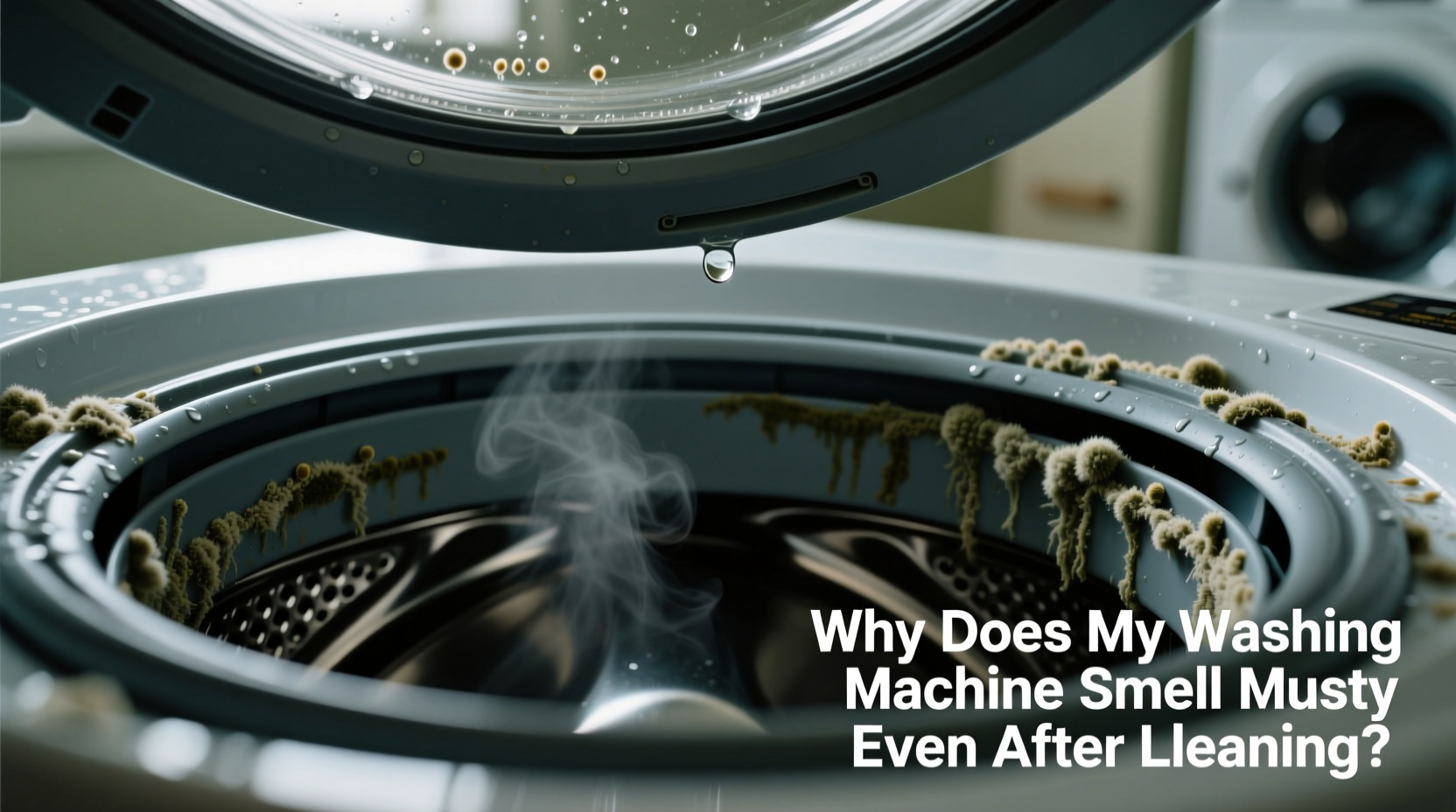
Even after a thorough cleaning cycle, residual moisture, microbial buildup, and design flaws can allow odors to linger. Modern high-efficiency (HE) washers, while water- and energy-efficient, are particularly prone to trapping moisture due to their tightly sealed doors and rubber gaskets. This environment becomes a breeding ground for mold, mildew, and bacteria—microorganisms responsible for the characteristic sour, earthy smell.
One of the most common culprits is the door seal or gasket on front-loading machines. This rubber ring traps water and lint, especially in the folds and crevices, creating a dark, humid space ideal for microbial growth. Similarly, the detergent drawer and drain pump filter are often overlooked areas where sludge and organic debris accumulate over time.
Top-loaders aren’t immune either. Residue from fabric softeners and detergents can coat internal components, combining with humidity to produce odor. Additionally, infrequent use or consistently small loads prevent proper agitation and drainage, leaving stagnant water behind.
“Many people think running a hot wash with bleach cleans everything, but if the source of the odor is trapped in the gasket or filter, the problem remains untouched.” — Dr. Lena Patel, Home Appliance Hygiene Specialist
Step-by-Step Guide to Eliminate Deep-Rooted Odors
If standard cleaning cycles fail, a more comprehensive approach is necessary. Follow this detailed process to target every potential source of mustiness:
- Unplug the machine and disconnect power for safety before accessing internal parts.
- Inspect and clean the door gasket. Pull back the rubber seal carefully and check for black spots, slime, or trapped debris. Use a microfiber cloth dipped in a solution of equal parts white vinegar and water to wipe all surfaces, including the hidden underside. For stubborn mold, apply a paste of baking soda and water, let sit for 10 minutes, then scrub gently.
- Remove and clean the detergent drawer. Slide it out according to the manufacturer’s instructions. Soak it in warm, soapy water, then use an old toothbrush to scrub compartments thoroughly. Rinse and dry completely before reinserting.
- Clean the drain pump filter. Locate the access panel (usually at the bottom front). Place towels underneath to catch spills. Open the filter cap slowly to release any trapped water. Remove lint, coins, or residue inside the filter housing. Clean both the filter and the chamber with vinegar or a mild disinfectant.
- Run a deep sanitation cycle. With all components reassembled, run the hottest wash cycle available (90°C/194°F if possible). Add 2 cups of white vinegar to the drum (not the dispenser) and ½ cup of baking soda for enhanced deodorizing. Pause the cycle after 10 minutes to let the solution soak for 30–60 minutes, then resume.
- Wipe down the drum and outer rim. After the cycle ends, use a dry cloth to absorb any remaining moisture, especially around seals and under the lip of the door.
- Leave the door and detergent drawer open between uses to promote airflow and drying.
Common Mistakes That Make the Problem Worse
Well-intentioned habits can inadvertently worsen musty odors. Recognizing these pitfalls helps avoid counterproductive practices:
- Overusing detergent: Excess suds don’t rinse away completely, coating internal parts and feeding bacterial growth.
- Using fabric softener excessively: It leaves a waxy residue that traps moisture and attracts grime.
- Running only cold water cycles: While energy-efficient, they don’t kill microbes or dissolve grease as effectively as hot water.
- Leaving wet clothes in the drum: Even for a few hours, damp laundry promotes mold and transfers odor back into the machine.
- Ignoring the filter maintenance: Most users never check the pump filter, allowing years of buildup.
Do’s and Don’ts: Maintaining a Fresh Washing Machine
| Do | Don’t |
|---|---|
| Use HE-rated detergent in recommended amounts | Overfill with detergent or softener |
| Run a maintenance cycle monthly | Wait until odor appears to clean |
| Leave the door and drawer open after use | Shut everything tightly post-wash |
| Clean the gasket weekly with a dry cloth | Ignore visible mold or slime |
| Inspect and clean the filter every 1–3 months | Forget about hidden mechanical parts |
| Use odor-absorbing products like activated charcoal between uses | Rely solely on scented cleaners to mask smells |
Real Example: How One Family Fixed Their Chronic Smell Issue
The Thompson family had been struggling with a persistent musty smell in their front-loading Samsung washer for over a year. They ran monthly cleaning cycles using bleach and commercial cleaners, yet the odor returned within days. Laundry came out smelling damp, and mildew stains began appearing on towels.
After consulting a technician, they discovered that the lower portion of the door gasket was completely clogged with a thick, black biofilm. The detergent drawer had also developed a slimy buildup, and the drain filter was packed with hair and soap scum. Following a full manual cleaning—removing and scrubbing each component, then running a vinegar-soak cycle—the machine finally stopped producing odor. By adopting a routine of weekly gasket wiping and monthly deep checks, they’ve maintained a fresh-smelling washer for over ten months.
Preventative Checklist for Long-Term Freshness
To ensure your washing machine stays odor-free, follow this actionable checklist regularly:
- ✅ Wipe the door gasket with a dry cloth after every wash
- ✅ Run a hot cleaning cycle with vinegar or oxygen bleach once a month
- ✅ Remove laundry immediately after the cycle ends
- ✅ Clean the detergent and fabric softener dispensers quarterly
- ✅ Inspect and clear the drain pump filter every 60 days
- ✅ Use only high-efficiency (HE) detergent in measured amounts
- ✅ Avoid overloading the drum—leave space for water circulation
- ✅ Store detergent and softener in a dry place to prevent clumping and residue
Frequently Asked Questions
Can I use bleach instead of vinegar to clean my washing machine?
Yes, but with caution. Chlorine bleach is effective at killing mold and bacteria, especially in top-loading machines. However, it can degrade rubber seals over time and should never be mixed with vinegar or ammonia. For regular maintenance, oxygen-based bleach (like sodium percarbonate) is gentler and safer for all machine types.
Why does my new washing machine already smell musty?
Even brand-new machines can develop odors if stored in damp conditions before installation or if the first few uses involve only cold, short cycles. Factory residues and minimal water movement in test runs can leave behind organic matter. Always run a hot empty cycle with vinegar before using a new washer, and maintain ventilation by leaving the door ajar.
Is a smelly washing machine harmful to health?
Prolonged exposure to mold and mildew spores from a contaminated washer can trigger allergies, respiratory irritation, or skin reactions in sensitive individuals. Clothes washed in such machines may retain allergens, potentially affecting babies, asthma sufferers, or those with compromised immunity. Eliminating the source protects both hygiene and well-being.
Conclusion: Take Control of Your Machine’s Hygiene
A musty washing machine isn’t just unpleasant—it’s a sign of underlying contamination that routine cleaning cycles alone won’t fix. The real solution lies in consistent, thorough maintenance that goes beyond pressing “clean.” By understanding how moisture and residue accumulate in hidden areas, you can take proactive steps to eliminate breeding grounds for odor-causing microbes.
Implementing simple habits like wiping the gasket, cleaning the filter, and using the right detergents makes a lasting difference. A fresh-smelling washer doesn’t just improve your laundry experience—it extends the life of your appliance and ensures your clothes are truly clean, not just superficially rinsed.




 浙公网安备
33010002000092号
浙公网安备
33010002000092号 浙B2-20120091-4
Comments
No comments yet. Why don't you start the discussion?