
A washing machine is designed to clean clothes, but ironically, it can become a source of unpleasant odors itself. If you've opened your washer lately and been greeted by a damp, mildew-like stench, you're not alone. Musty smells in washing machines are common—especially in modern high-efficiency (HE) models—but they’re also preventable and treatable. The odor isn’t just unpleasant; it can transfer to your laundry, leaving clothes smelling less than fresh despite being “clean.” Understanding the root causes and adopting consistent maintenance habits can restore freshness and extend the life of your appliance.
Why Does My Washing Machine Smell Musty?
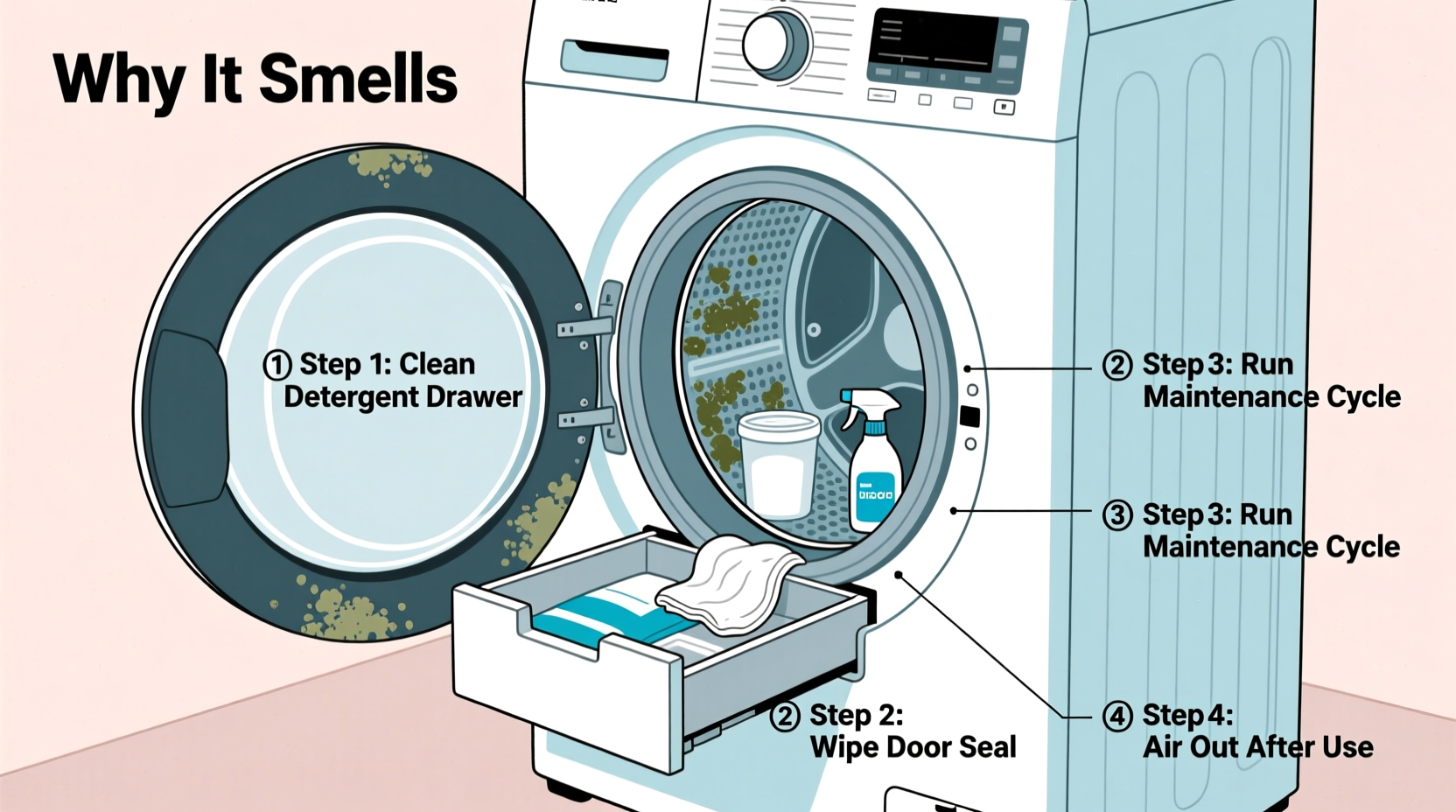
The musty odor in washing machines typically stems from trapped moisture, soap residue buildup, and microbial growth such as mold and mildew. Unlike older top-loading models with agitators that fully drained water, many modern front-load and even some HE top-load washers retain small amounts of water in seals, gaskets, drain pumps, and detergent dispensers. This creates a dark, humid environment ideal for bacteria and fungi to thrive.
One major contributor is the overuse of detergent or using non-HE detergents in HE machines. Excess suds don’t rinse away completely and accumulate in hidden areas, combining with lint and fabric fibers to form a slimy biofilm. This organic sludge becomes a breeding ground for odor-causing microbes.
Another overlooked factor is leaving wet clothes in the washer for hours after the cycle ends. Damp fabrics sit in a sealed drum, promoting bacterial growth not only on the clothes but also on the interior surfaces. Over time, this repeated exposure worsens the problem.
“Musty smells in washing machines are rarely about the machine failing—it’s usually about how it’s being used and maintained.” — Dr. Linda Harper, Appliance Hygiene Specialist, Consumer Home Research Group
Step-by-Step Cleaning Routine to Eliminate Odors
Eliminating a musty smell requires more than just running an empty cycle. A thorough cleaning targets all potential reservoirs of grime and microbes. Follow this comprehensive routine every 1–2 months—or monthly if you do frequent loads—to keep your machine fresh.
- Remove and Clean the Door Gasket (Front-Load Models): Open the door and peel back the rubber seal around the opening. Check underneath for trapped debris, hairpins, coins, or mold. Wipe thoroughly with a cloth soaked in equal parts white vinegar and warm water. Use an old toothbrush to scrub crevices gently.
- Clean the Detergent Dispenser: Slide out the detergent, bleach, and fabric softener trays. Soak them in warm, soapy water mixed with 1/4 cup vinegar for 20 minutes. Scrub with a brush to remove residue, then rinse and dry before reinserting.
- Clear the Drain Pump Filter: Locate the access panel at the bottom front of the machine (consult your manual). Place towels underneath, unscrew the filter cap slowly to release any standing water, then remove lint, coins, or debris. Rinse the filter under running water and replace securely.
- Run a Hot Cleaning Cycle: With the washer empty, pour 1 cup of distilled white vinegar into the drum. Add 1/2 cup of baking soda if desired for extra deodorizing power. Run the hottest, longest cycle available (usually \"Clean Washer\" or \"Sanitize\"). For front-loaders, pause the cycle after it begins to allow the solution to soak for 30–60 minutes before resuming.
- Wipe Down Interior Surfaces: After the cycle, use a microfiber cloth dampened with vinegar to wipe the drum, door, and edges. Leave the door and detergent drawer slightly open afterward to encourage air circulation and drying.
Preventative Habits to Stop Smells Before They Start
Once you’ve cleaned your machine, maintaining freshness requires consistent daily habits. Many people overlook simple behaviors that contribute significantly to long-term hygiene.
- Leave the Door and Drawer Open After Use: This allows moisture to evaporate and prevents stagnant air. Even 4–6 hours of ventilation per day makes a difference.
- Use the Right Amount of HE Detergent: Most households use 2–3 times more detergent than needed. Follow manufacturer guidelines—often just one tablespoon is sufficient for a full load.
- Avoid Overloading: Crowding clothes reduces wash efficiency and traps moisture between layers, increasing the chance of lingering dampness.
- Switch to Liquid Detergent or Pods: Powder detergents can settle and clump in dispensers, especially in cold-water cycles. Liquids dissolve more completely.
- Wash Towels and Linens Regularly: These items shed more fibers and absorb more moisture, contributing to buildup. Wash them weekly and avoid letting them sit in baskets for days.
Do’s and Don’ts: Maintaining a Fresh Washing Machine
| Do | Don't |
|---|---|
| Run a hot vinegar cycle monthly | Mix vinegar and bleach in the same cycle |
| Wipe the door gasket weekly | Ignore visible mold or slime |
| Use measured HE detergent only | Overfill the detergent drawer |
| Remove wet clothes within 30–60 minutes | Leave damp laundry overnight |
| Store detergent in a dry place | Use expired or clumped detergent |
Real Example: How Sarah Fixed Her Smelly Washer
Sarah, a mother of two in Portland, noticed her towels had started coming out of the washer with a sour smell—even though she used scented detergent and ran extra rinse cycles. Frustrated, she tried adding dryer sheets and fabric sprays, but the issue persisted. After researching online, she realized her front-loading machine hadn’t been deep-cleaned in over a year.
She followed the step-by-step cleaning process: removed the gasket, found a thick black film underneath, cleaned the dispenser (which was clogged with hardened powder), and ran a hot vinegar cycle. She also switched to a liquid HE detergent and began leaving the door ajar after each use.
Within two weeks, the odor disappeared completely. Her clothes came out smelling neutral and clean. More importantly, she stopped dreading laundry day. “I didn’t realize how much bad habits were costing me,” she said. “Now I clean the machine like I’d clean a kitchen sink—regularly and thoroughly.”
FAQ: Common Questions About Musty Washing Machines
Can I use bleach instead of vinegar to clean my washer?
Yes, but sparingly. Chlorine bleach is effective at killing mold and bacteria, but it can degrade rubber seals and hoses over time. Use no more than 1/2 cup of bleach on a hot cycle once every few months. Never combine bleach with vinegar or other cleaners.
Is the smell dangerous?
While most musty odors come from nuisance molds rather than toxic strains, prolonged exposure to mold spores can affect indoor air quality and may trigger allergies or respiratory irritation in sensitive individuals. It’s best to address the issue promptly for health and hygiene reasons.
Why does my top-loader smell if it doesn’t have a rubber gasket?
Even top-loading machines can develop odors. Water can get trapped in the outer tub, pump lines, or detergent compartments. Residue buildup, combined with infrequent deep cleaning, leads to microbial growth. Running regular cleaning cycles and wiping down the lid and basin edges helps prevent this.
Expert-Recommended Monthly Maintenance Checklist
To ensure lasting freshness, integrate these tasks into your home care routine. This checklist takes less than 15 minutes per month but pays off in cleaner clothes and fewer repairs.
- ▢ Run a cleaning cycle with vinegar or manufacturer-approved cleaner
- ▢ Remove and clean detergent drawer
- ▢ Inspect and wipe door gasket (front-load) or inner lid (top-load)
- ▢ Check and clear drain pump filter
- ▢ Wipe control panel and exterior with disinfectant cloth
- ▢ Confirm door/drawer is left open post-use
- ▢ Verify detergent type and quantity are correct
Conclusion: Take Control of Your Machine’s Freshness
A musty-smelling washing machine isn’t a lost cause—it’s a signal that maintenance has been neglected. The good news is that restoring freshness doesn’t require expensive repairs or specialty products. With regular attention, proper detergent use, and a few simple cleaning steps, you can keep your washer running efficiently and odor-free for years.
Think of your washing machine not just as an appliance, but as part of your home’s hygiene system. Just like a kitchen sink or bathroom shower, it needs periodic deep cleaning and daily care habits to stay sanitary. By adopting these routines, you protect your investment, improve laundry results, and create a healthier living environment.




 浙公网安备
33010002000092号
浙公网安备
33010002000092号 浙B2-20120091-4
Comments
No comments yet. Why don't you start the discussion?