
A musty odor coming from your washing machine is more than just unpleasant—it’s a sign that mold, mildew, or bacteria are thriving inside. Despite cleaning clothes, front-load and even some top-load machines can develop persistent smells over time. The irony? Your appliance meant to clean is harboring grime. This issue affects millions of households, especially in humid climates or where low-temperature washes dominate. The good news: most cases can be resolved with a thorough deep clean and consistent maintenance. Understanding the root causes and applying targeted solutions will restore freshness and improve hygiene.
Why Washing Machines Develop Musty Smells
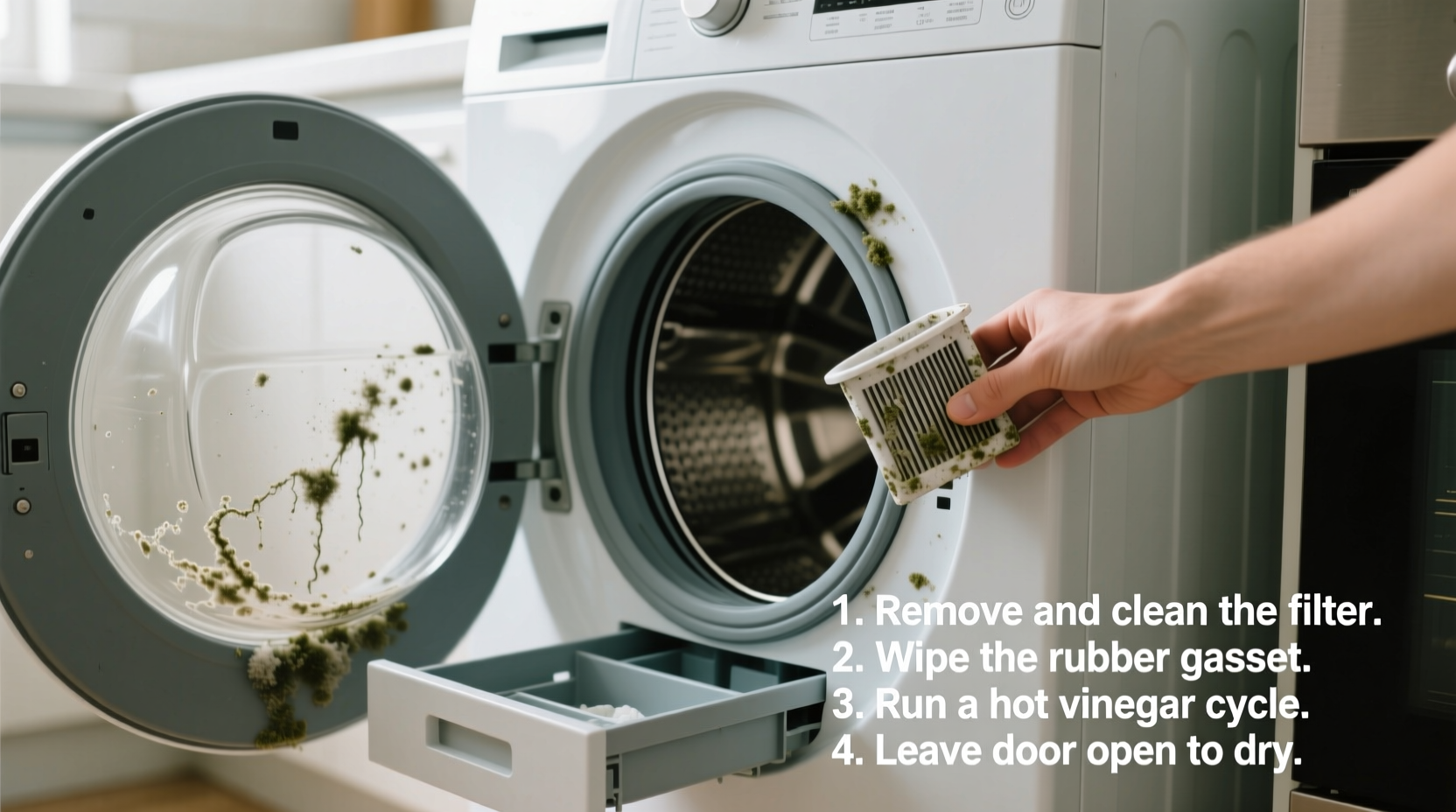
The primary reason washing machines develop a musty smell lies in their design and usage patterns. Modern high-efficiency (HE) models use less water and lower temperatures to save energy—ideal for utility bills but perfect for microbial growth. Residual moisture, combined with detergent buildup, fabric softener residue, and lint, creates a dark, damp environment where mold and mildew flourish.
Front-loading machines are particularly prone due to their rubber door gaskets, which trap water and debris. Over time, this stagnant moisture breeds biofilm—a slimy layer of microorganisms that emits a sour, earthy odor. Even top-loaders aren’t immune, especially if they have tight-sealing lids or dispensers that don’t dry completely.
Another contributing factor is the overuse of liquid detergents and fabric softeners. These substances often leave behind residues that coat the drum, hoses, and pump. When mixed with organic matter like hair, skin cells, or food particles from dirty laundry, they form a nutrient-rich sludge ideal for bacterial colonies.
“Many people assume their washer stays clean because it handles soapy water. But without proper ventilation and periodic cleaning, it becomes a breeding ground for microbes.” — Dr. Lena Patel, Microbiologist & Home Appliance Hygiene Researcher
Step-by-Step Guide to Deep Clean Your Washing Machine
Cleaning your washing machine doesn’t require professional help or expensive products. With common household items and about an hour of effort, you can eliminate odors and restore performance. Follow this detailed sequence for best results.
- Clear the Drum and Remove Debris
Remove any clothes, socks, or foreign objects. Wipe down the visible drum with a dry cloth to remove loose lint or dust. - Clean the Door Seal (Front-Load Models)
Lift the rubber gasket around the door and inspect for trapped water, mold, or hair. Use a microfiber cloth dampened with white vinegar to wipe away slime and buildup. Pay special attention to folds and crevices where moisture hides. - Run a Hot Water Cycle with Cleaning Agent
Choose the hottest, longest cycle available (usually “Clean Washer” or “Sanitize”). Add one of the following:- 4 cups of white vinegar
- OR 1 cup of bleach (if safe for your model; check manual)
- OR 1 packet of commercial washing machine cleaner
- Scrub the Detergent and Fabric Softener Dispensers
Remove drawers if possible. Soak them in warm vinegar water for 15 minutes. Use an old toothbrush to scrub out residue, then rinse and reinsert. - Wipe Down Interior Surfaces
After the cycle ends, open the door and let the drum air-dry. Wipe any remaining moisture with a clean towel. If visible mold spots remain, apply a paste of baking soda and water, scrub gently, then rinse with a damp cloth. - Clean the Drain Pump Filter
Locate the filter (usually at the front bottom panel). Place a towel underneath to catch water. Unscrew the cap slowly and remove lint, coins, or debris. Rinse the filter under running water before replacing.
Do’s and Don’ts for Preventing Future Odors
Maintenance matters more than perfection. Small daily habits prevent major problems later. Refer to the table below for clear guidance on what to adopt—and what to avoid.
| Do’s | Don’ts |
|---|---|
| Leave the door and detergent drawer open after each use to allow drying. | Don’t leave wet clothes in the drum for hours after the cycle ends. |
| Use high-efficiency (HE) detergent in recommended amounts. | Don’t overuse fabric softener or dryer sheets—they leave waxy residues. |
| Wash towels and bedding weekly at 60°C (140°F) when possible. | Don’t ignore the door seal or dispenser compartments during cleaning. |
| Run a maintenance cycle monthly with vinegar or dedicated cleaner. | Don’t use abrasive pads or harsh chemicals that damage seals and coatings. |
| Check pockets before washing to avoid food crumbs or tissues. | Don’t store detergent in humid areas—it clumps and loses effectiveness. |
Real Example: How One Family Eliminated Persistent Odors
The Thompson family in Portland, Oregon, had struggled with a sour-smelling washer for nearly six months. Every load came out with a faint musty scent, despite using premium detergent and odor-fighting pods. They assumed the machine was defective and considered replacement.
After consulting a technician, they learned the real culprit: their habit of doing quick cold washes every other day, combined with leaving the door closed overnight. The rubber gasket was black with mold, and the drain filter held a dense clump of hair and soap scum.
They followed the deep-cleaning steps outlined above. After one full cycle with vinegar and manual scrubbing, the smell diminished significantly. Within two weeks of keeping the door open post-wash and switching to measured HE detergent, the odor vanished completely. Six months later, no recurrence.
Their experience underscores a key truth: modern appliances need proactive care, not just passive use.
Frequently Asked Questions
Can I use bleach to clean my washing machine?
Yes, but with caution. Bleach effectively kills mold and bacteria, especially in stainless steel drums. However, it can degrade rubber seals over time and should never be mixed with vinegar (creates toxic fumes). Use 1 cup of bleach on a hot cycle, followed by an extra rinse if needed. Always consult your user manual first—some manufacturers advise against bleach.
Is vinegar enough to disinfect my washer?
Vinegar has mild antimicrobial properties and excels at dissolving mineral deposits and soap scum. While it reduces odors and cleans well, it doesn’t meet EPA standards for disinfection. For deeper sanitation—especially in homes with infants, allergies, or illness—combine vinegar cleaning with periodic bleach cycles or oxygen-based cleaners.
Why does my washer smell worse after using fabric softener?
Fabric softeners contain oils and waxes that coat the drum, hoses, and sensors. In HE machines, these residues accumulate faster due to reduced water volume. This film traps moisture and organic matter, accelerating microbial growth. Switching to wool dryer balls or reducing softener use often resolves the issue.
Creating a Long-Term Maintenance Routine
Prevention is simpler and cheaper than repair. A sustainable routine keeps your machine odor-free and extends its lifespan. Consider the following checklist as part of your household rhythm.
Monthly Washing Machine Care Checklist
- ✅ Run a hot cleaning cycle with vinegar or manufacturer-approved cleaner
- ✅ Wipe the door seal and check for trapped debris
- ✅ Remove and clean detergent drawer
- ✅ Inspect drain filter and clear blockages
- ✅ Leave door and dispenser open overnight to dry
In addition to monthly tasks, adopt daily habits: remove laundry promptly, use correct detergent amounts, and avoid overloading. These small actions compound into major improvements in hygiene and efficiency.
If you live in a region with hard water, consider installing a water softener or adding citric acid packets occasionally to prevent limescale buildup. Hard water accelerates residue accumulation and reduces cleaning power.
Conclusion: Take Control of Your Machine’s Hygiene
A musty washing machine isn’t inevitable—it’s a fixable problem rooted in moisture and neglect. By understanding how odors develop and taking decisive action, you reclaim both freshness and function. The steps to deep clean are straightforward, cost-effective, and within reach of any homeowner. More importantly, adopting simple preventive habits ensures lasting results.
Your washing machine works hard for you. Return the favor with regular care. Implement the cleaning routine today, share your success with others, and enjoy truly clean laundry—free from hidden germs and unpleasant smells.




 浙公网安备
33010002000092号
浙公网安备
33010002000092号 浙B2-20120091-4
Comments
No comments yet. Why don't you start the discussion?