
Windshield fogging is a common yet frustrating issue that affects drivers in nearly every climate. It occurs when moisture condenses on the glass, creating a hazy film that obstructs vision. While it may seem like a minor inconvenience, poor visibility due to fogged glass can lead to dangerous driving conditions. Understanding the science behind this phenomenon—and knowing how to prevent or clear it quickly—is essential for safety and comfort behind the wheel.
The Science Behind Windshield Fogging
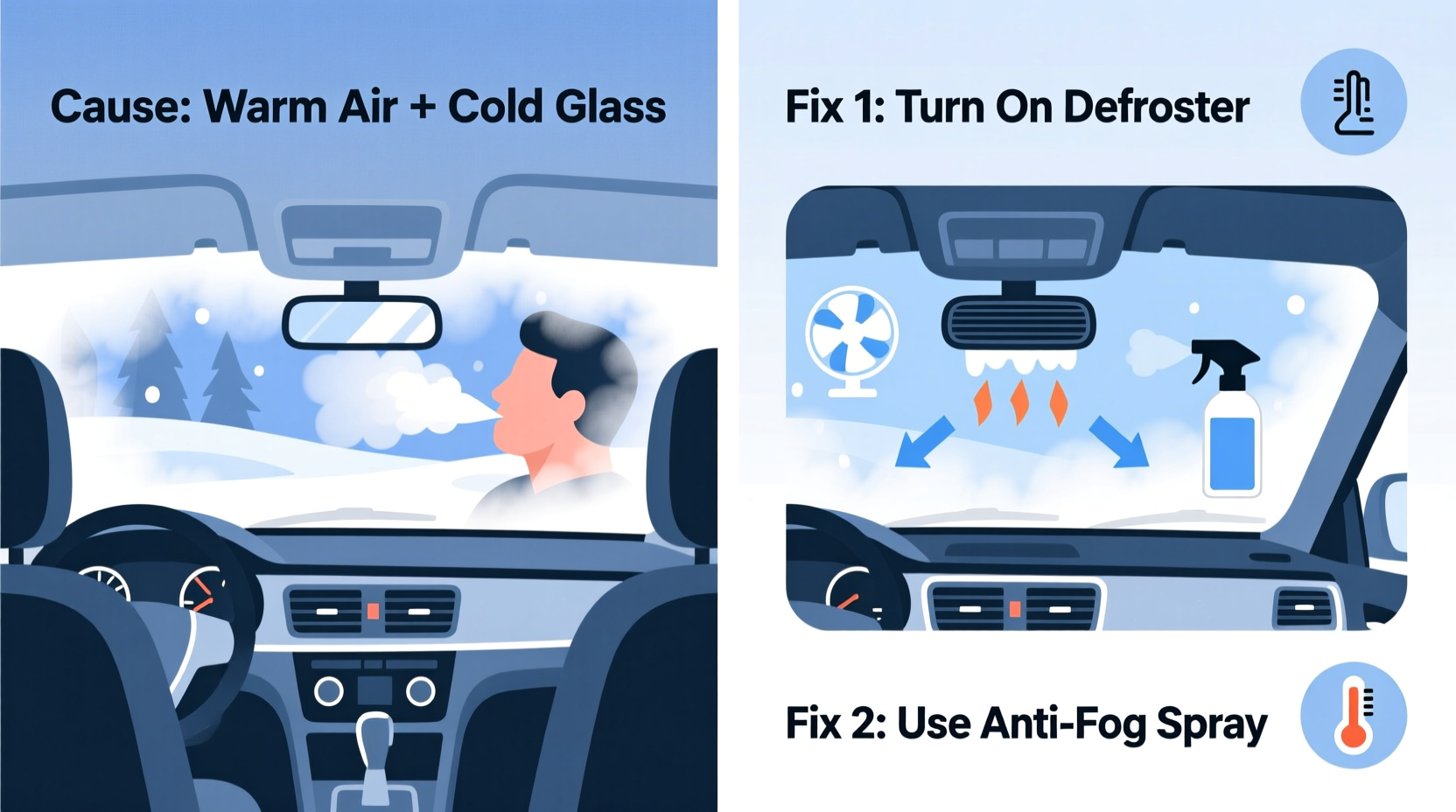
Fog forms on your windshield when warm, moist air comes into contact with a colder glass surface. The temperature difference causes water vapor in the air to cool rapidly and condense into tiny droplets on the glass. This process is similar to how dew forms on grass in the morning. Inside the car, sources of moisture include passengers’ breath, wet clothing, floor mats, and even residual humidity from rain or snow.
The same principle applies to external fogging—though less common—when warm, humid air outside meets a cooled windshield, such as during summer air conditioning use. In both cases, the key factors are temperature differential and high humidity levels.
“Condensation happens fastest when there’s a sharp contrast between interior moisture and exterior temperature.” — Dr. Alan Reeves, Atmospheric Scientist at Midwest Climate Lab
Common Causes of Interior Windshield Fogging
- High humidity inside the cabin: Wet shoes, damp coats, or spilled liquids increase moisture levels.
- Poor ventilation: Closed windows and recirculated air trap moisture.
- Defective or clogged cabin air filter: A dirty filter reduces airflow and dehumidification efficiency.
- Leaking seals or sunroof drains: Water intrusion from outside adds unseen moisture.
- Cracked windshield or window seal: Allows humid air to enter and condense.
- Overuse of heater without AC: Heat alone warms the air but doesn’t remove moisture effectively.
Quick Fixes to Clear a Foggy Windshield
When your windshield fogs up while driving, immediate action is crucial. Here’s a step-by-step approach to restore clarity within minutes:
- Turn on the defroster: Set your climate control to the windshield icon (usually represented by a wavy glass symbol).
- Engage the air conditioning (AC): Even in winter, AC removes moisture from the air. Make sure it’s turned on—look for the snowflake symbol.
- Switch to fresh air mode: Avoid recirculation (indicated by a car with arrows looping). Fresh outside air is typically drier than cabin air.
- Adjust temperature gradually: Start with warm air to heat the glass and speed evaporation, then stabilize to a comfortable level.
- Open windows slightly: This allows humid air to escape and equalizes pressure and humidity faster.
Within 60–90 seconds, this combination should significantly reduce or eliminate fog. For persistent issues, consider using a microfiber cloth to wipe the interior surface temporarily—but never while driving.
Long-Term Prevention Strategies
To minimize recurring fogging, address both environmental and mechanical factors. Implementing consistent habits and maintenance routines makes a lasting difference.
| Strategy | Action | Benefit |
|---|---|---|
| Replace cabin air filter | Every 12,000–15,000 miles or annually | Improves airflow and dehumidification |
| Use silica gel packs | Place in cup holders or under seats | Absorbs ambient moisture passively |
| Apply anti-fog treatment | Coat interior glass with commercial product | Creates hydrophobic layer to prevent droplet formation |
| Vacuum & dry floor mats | Weekly during rainy/snowy seasons | Removes trapped water and mold sources |
| Check door and window seals | Inspect for cracks or gaps | Prevents external moisture infiltration |
Real Example: Morning Commute Rescue
Jamal, a delivery driver in Seattle, faced daily windshield fogging during winter mornings. Despite turning on the heater, his windshield would remain cloudy for over five minutes, delaying his routes. After consulting a mechanic, he discovered his cabin air filter hadn’t been replaced in two years. Once changed, and after switching his climate control to fresh air + AC mode, his defrost time dropped to under 90 seconds. He also started storing desiccant packs in the footwells, which reduced overnight moisture accumulation. These simple changes saved him time and improved safety during early-morning drives.
Do’s and Don’ts of Windshield Defogging
| Do’s | Don’ts |
|---|---|
| Use AC along with heat to dry the air | Relay only on heat without dehumidifying |
| Keep interior surfaces clean and dry | Leave wet umbrellas or jackets on seats |
| Apply anti-fog coatings quarterly | Use household cleaners that leave residue |
| Run the defroster for a few minutes before driving | Scrape fog with sharp objects or abrasive cloths |
| Inspect sunroof drain tubes annually | Ignore musty odors—signs of hidden mold/moisture |
FAQ
Why does my windshield fog up more in winter?
In colder months, the temperature difference between warm, moist cabin air and the cold windshield is greater, accelerating condensation. Additionally, people bring in more snow, rain, and damp clothing, increasing interior humidity.
Can I use dish soap to prevent fogging?
Yes—applying a thin layer of diluted dish soap to the interior windshield and buffing it off with a microfiber cloth can create a temporary anti-fog barrier. However, it may leave streaks or odors, so commercial anti-fog treatments are more reliable for regular use.
Is fogging worse with newer cars?
Sometimes. Modern vehicles are better sealed for noise reduction and fuel efficiency, which limits natural air exchange. Without proper ventilation habits, moisture builds up faster. Newer HVAC systems are efficient, but only if used correctly—many drivers overlook the need to disable air recirculation when defogging.
Conclusion: Stay Clear, Stay Safe
Fogged windshields aren't just annoying—they're a real safety hazard. By understanding the root causes and applying both immediate fixes and long-term solutions, you can maintain clear visibility in any weather. Simple actions like using the AC in winter, replacing filters, and managing cabin moisture go a long way. Don’t wait for poor visibility to become an emergency. Take preventive steps today and make windshield clarity part of your routine vehicle care.




 浙公网安备
33010002000092号
浙公网安备
33010002000092号 浙B2-20120091-4
Comments
No comments yet. Why don't you start the discussion?