
It’s a common but frustrating experience: you unroll your brand-new yoga mat after a single session, only to be greeted by an unpleasant, musty, or rubbery odor. You didn’t leave it in a damp gym bag for days—yet the smell is already there. This isn’t a sign of poor hygiene on your part; it’s a natural reaction between your body, the environment, and the materials in your mat. Understanding the root causes of this odor—and how to eliminate it without damaging your mat—is essential for maintaining both hygiene and performance in your practice.
The Science Behind the Smell
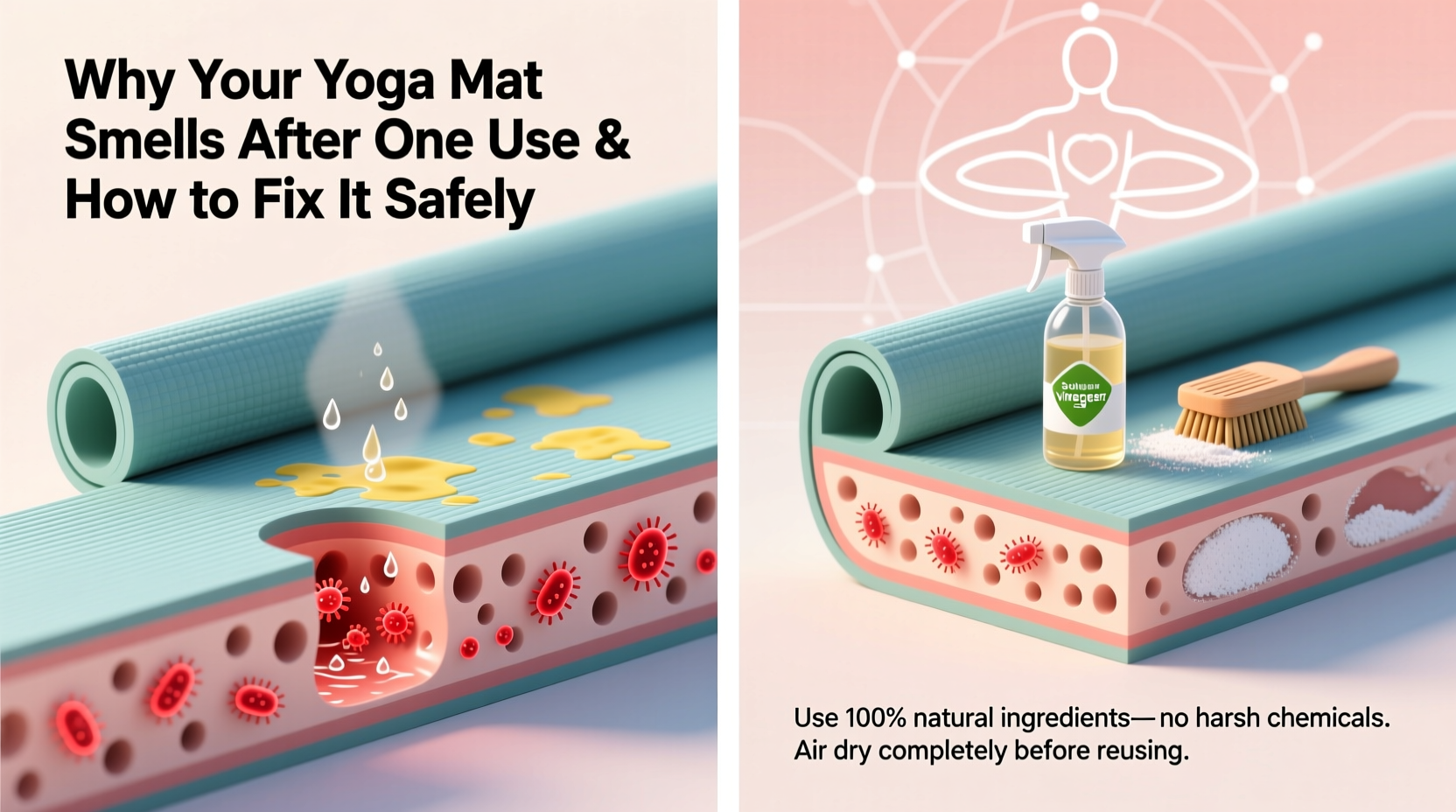
Yoga mats are typically made from synthetic materials like PVC (polyvinyl chloride), TPE (thermoplastic elastomer), rubber, or foam. These materials are porous and can absorb moisture, sweat, skin oils, and dead skin cells during use. Even a single session generates enough biological residue to create a breeding ground for bacteria and fungi, which metabolize these organic compounds and release volatile organic compounds (VOCs) as byproducts—these are what you’re smelling.
In particular, new mats often carry a strong chemical scent due to off-gassing. This occurs when manufacturing residues like plasticizers, stabilizers, or adhesives evaporate into the air. The most notorious offender is the “new rubber” smell in PVC mats, caused by phthalates and other additives. While not always harmful in small amounts, these odors can be overwhelming and even trigger headaches or sensitivities in some individuals.
“Off-gassing is normal with synthetic yoga mats, especially in the first few uses. But persistent odors after cleaning indicate microbial growth or improper drying.” — Dr. Lena Torres, Environmental Health Specialist
Why One Use Is Enough to Create Odor
You might assume that odor builds up over weeks of neglect, but the truth is, a single sweaty session can start the process. Here’s why:
- Sweat contains urea, ammonia, and lactic acid – When these compounds interact with mat materials, they break down and produce sour or acrid smells.
- Heat and humidity accelerate bacterial growth – Your body heat warms the mat surface, creating micro-environments where microbes thrive, even if the mat feels dry to the touch.
- Porous surfaces trap moisture – Materials like TPE and closed-cell foam may feel dry on the surface but retain moisture beneath, promoting mold and mildew development.
- New mats haven’t been “seasoned” – Fresh mats lack a protective layer from regular cleaning and use, making them more vulnerable to absorbing odors immediately.
This means that even if you roll up your mat right after class, residual moisture and organic matter remain embedded. Without proper ventilation or cleaning, the smell intensifies quickly.
Safe & Effective Deodorizing Methods
Cleaning your yoga mat improperly can degrade its texture, cause cracking, or introduce toxic residues. The goal is to neutralize odor-causing agents without compromising material integrity. Below is a step-by-step guide to safely deodorize your mat at home using gentle, accessible ingredients.
Step-by-Step Guide: How to Deodorize Your Yoga Mat Safely
- Shake it out – Take your mat outside and give it a firm shake to remove dust, hair, and loose debris.
- Prepare a cleaning solution – Mix one part white vinegar with four parts water in a spray bottle. Add 5–10 drops of tea tree oil for its natural antimicrobial properties.
- Spray evenly – Lightly mist both sides of the mat. Avoid soaking it—excess liquid can seep into layers and promote internal mold.
- Wipe with a soft cloth – Use a microfiber or cotton cloth to gently scrub the surface in circular motions. Focus on high-contact areas like hands and feet.
- Rinse if possible – For non-electronic or non-laminated mats, rinse briefly with cool water. Do not submerge PVC or glued-layer mats.
- Air dry completely – Hang the mat over a railing or clothesline in a well-ventilated area, away from direct sunlight. Allow 6–12 hours to dry fully.
- Optional: Baking soda refresh – Once dry, sprinkle baking soda on the surface, let sit for 15 minutes, then brush off. This absorbs lingering odors.
Material-Specific Care Tips
Not all yoga mats respond the same way to cleaning. Using the wrong method can damage your mat or worsen odors. Refer to the table below for care guidance based on common materials.
| Mat Material | Safe Cleaning Methods | Avoid |
|---|---|---|
| PVC (Polyvinyl Chloride) | Vinegar-water spray, mild soap + damp cloth | Direct sunlight, abrasive scrubbing, immersion |
| Natural Rubber | Diluted vinegar, plant-based cleaners | Oil-based products, prolonged sun exposure |
| TPE (Thermoplastic Elastomer) | Light wipe-down with tea tree solution | Hot water, harsh chemicals, folding |
| Cork | Mist with water + vinegar, air dry flat | Soaking, wiping with oily cloths |
| Foam (EVA or Polyurethane) | Spot clean with damp cloth, baking soda | Submerging, wringing, machine washing |
Always check the manufacturer’s care instructions. Some premium mats, like Lululemon or Manduka, have specific cleaning recommendations and proprietary sprays designed to preserve warranty coverage.
Preventing Future Odors: A Proactive Approach
Deodorizing is important, but prevention is far more effective. Incorporating simple habits into your routine can keep your mat fresh for months, even with daily use.
Checklist: Prevent Yoga Mat Odor
- Wipe down your mat after every use with a damp cloth or eco-friendly mat wipe.
- Allow your mat to air out for at least 30 minutes post-practice before rolling.
- Store in a breathable mat bag or hang vertically in a dry space.
- Avoid leaving your mat in hot cars or humid bathrooms.
- Use a yoga towel during intense sessions to absorb sweat.
- Clean deeply once every 1–2 weeks, depending on usage.
- Rotate between two mats if practicing daily.
“Just like a workout shirt, your yoga mat needs regular care. Think of it as an extension of your hygiene routine.” — Sarah Kim, Yoga Instructor & Wellness Coach
Real Example: From Stinky to Sanctuary
Jenna, a vinyasa instructor in Portland, noticed her new TPE mat developed a sour smell after just three classes. She avoided cleaning it, fearing damage, and instead left it rolled in her gym bag. Within a week, the odor became unbearable—even her students commented. After researching, she followed the vinegar and tea tree oil method, hung the mat outdoors overnight, and began wiping it after each session. Within days, the smell vanished. More importantly, she now stores her mat unrolled in a linen bag behind her studio door, ensuring airflow. “I realized I was treating my mat like a floor mat, not a personal wellness tool,” she said. “Now it stays fresh, grippy, and ready to support my practice.”
When to Replace Your Mat
No amount of cleaning can revive a deteriorating mat. Signs it’s time to replace yours include:
- Persistent odor despite repeated cleaning
- Flaking, cracking, or peeling surface
- Loss of grip, even when clean and dry
- Visible mold spots that won’t wipe away
- Strong chemical smell lasting beyond two weeks
Most yoga mats last 12–24 months with regular use. If you practice 4+ times per week, consider rotating or upgrading to more sustainable, low-odor options like natural rubber or cork blends.
FAQ: Common Questions About Yoga Mat Odor
Can I wash my yoga mat in the washing machine?
Only if the manufacturer explicitly allows it. Most mats—especially those with cushioning or glued layers—should never be machine washed. The agitation can delaminate materials and ruin the texture. Hand cleaning is safer and more effective.
Is the smell from my new mat dangerous?
Most off-gassing odors from PVC mats are not immediately harmful but can irritate sensitive individuals. To minimize exposure, air out the mat in a garage or balcony for several days before use. Consider switching to low-VOC or eco-certified mats (like those labeled OEKO-TEX or GOTS) for long-term health and sustainability.
Can essential oils eliminate mat odor permanently?
Essential oils like tea tree, eucalyptus, or lavender have antimicrobial properties and add a pleasant scent, but they don’t replace deep cleaning. Use them as a secondary step—not a primary deodorizer. Always dilute in water and avoid oil-heavy formulations on rubber or foam, as they can degrade the surface over time.
Conclusion: Transform Your Practice with a Fresh Mat
Your yoga mat is more than just equipment—it’s the foundation of your movement, breath, and mindfulness. Allowing it to harbor odors undermines not only hygiene but also the intentionality of your practice. By understanding why smells develop so quickly and adopting safe, consistent care habits, you extend the life of your mat and enhance your experience on it. Whether you're a beginner or a seasoned yogi, taking a few extra minutes to clean and air out your mat pays off in freshness, grip, and peace of mind.




 浙公网安备
33010002000092号
浙公网安备
33010002000092号 浙B2-20120091-4
Comments
No comments yet. Why don't you start the discussion?