
There’s a quiet ache that comes when nothing feels satisfying—when achievements fall flat, relationships feel distant, and even activities you once loved bring no spark. You’re not broken for feeling this way. Many people reach a point where joy seems out of reach, not because they’ve failed at happiness, but because their emotional system is signaling something deeper needs attention. This isn’t just about “cheering up.” It’s about understanding why your inner world has gone quiet and learning how to reawaken it.
The Weight of Emotional Numbness
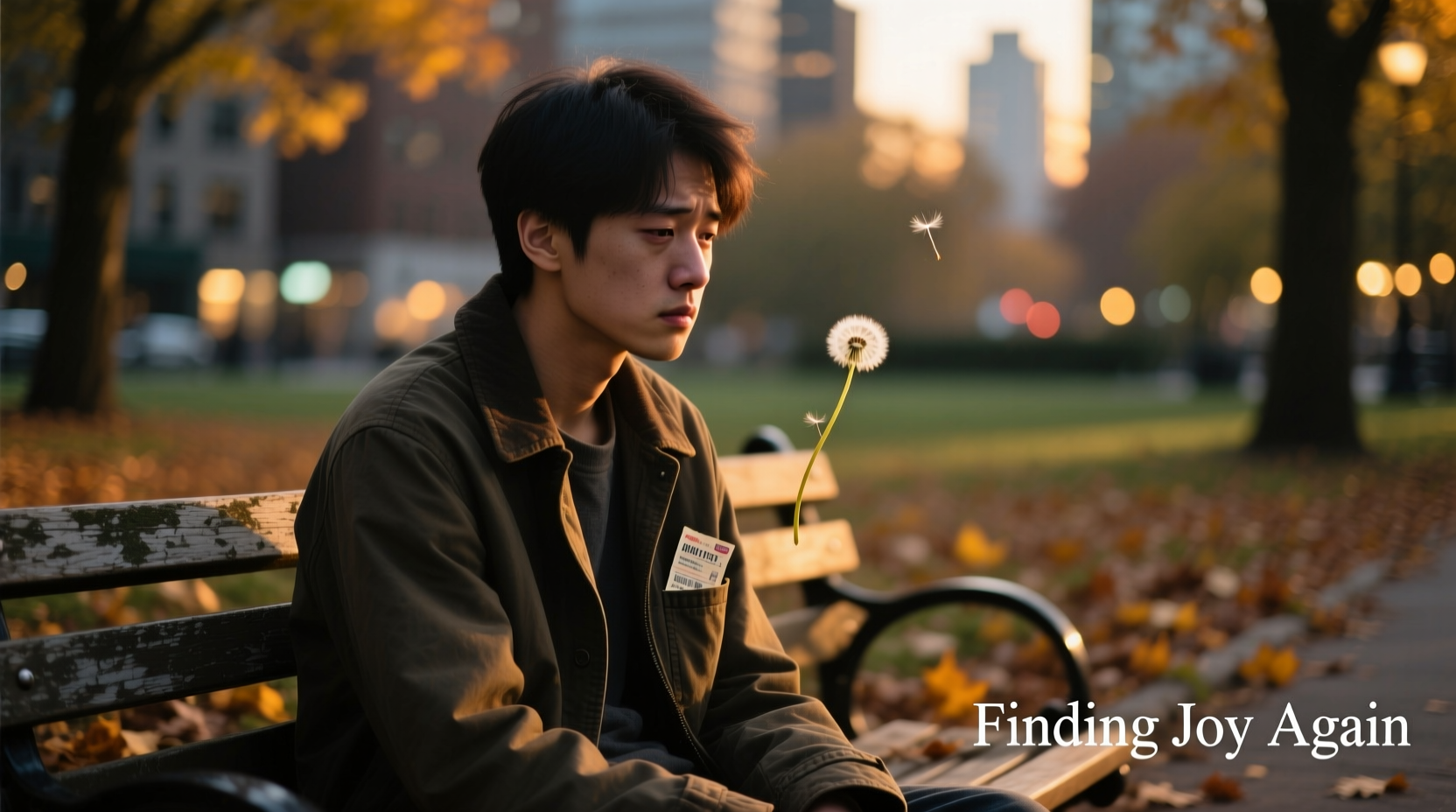
When someone says, “Nothing makes me happy anymore,” they’re often describing more than sadness—they’re describing emotional flatness. This state, sometimes called anhedonia, is the inability to feel pleasure in things that used to bring joy. It’s common in depression, but it can also stem from chronic stress, burnout, unresolved grief, or prolonged disconnection from meaningful experiences.
Modern life compounds this. Constant digital stimulation, performance pressure, and social comparison can dull our capacity to feel genuine satisfaction. We chase milestones—promotions, relationships, possessions—only to find that reaching them doesn’t fill the void. The brain adapts quickly to new highs, returning to baseline, leaving us searching for the next hit without ever building lasting fulfillment.
“Happiness isn't something we achieve through accumulation. It's a signal that our lives are aligned with our values, connections, and sense of purpose.” — Dr. Lena Reyes, Clinical Psychologist
Why Joy Fades: Common Causes
Understanding the root causes is the first step toward recovery. Joy doesn’t disappear without reason. Below are some of the most frequent contributors:
- Chronic Stress: Long-term stress floods the body with cortisol, which over time suppresses dopamine production—the neurotransmitter linked to motivation and pleasure.
- Social Isolation: Humans are wired for connection. Loneliness, even when surrounded by people, disrupts emotional regulation.
- Unprocessed Grief: Loss doesn’t have to be death. Failed dreams, lost relationships, or identity shifts can leave emotional residue that blocks joy.
- Lack of Purpose: When daily routines feel meaningless, the brain stops rewarding effort with satisfaction.
- Perfectionism: The belief that you must earn happiness through achievement creates a moving goalpost—joy is always one success away, never present.
Rebuilding Joy: A Step-by-Step Guide
Finding joy again isn’t about forcing positivity. It’s about gently reintroducing conditions that allow joy to emerge naturally. Here’s a practical timeline to help reignite your emotional responsiveness.
- Week 1–2: Pause and Observe
Dedicate 10 minutes daily to journaling. Write freely about what feels missing, what drains you, and any flicker of emotion—even irritation or boredom counts. The goal is awareness, not solutions. - Week 3–4: Reconnect with Your Body
Joy is physical. Begin with small somatic practices: morning stretches, mindful walking, or deep breathing. These ground you in the present and reactivate bodily awareness, which is often dulled during emotional shutdown. - Week 5–6: Reintroduce Micro-Moments of Pleasure
Create a “pleasure list” of tiny, low-effort activities: sipping tea slowly, listening to a favorite song, petting an animal. Do one daily, with full attention. No multitasking. The aim is to retrain your nervous system to register small rewards. - Week 7–8: Re-engage with Meaning
Identify one value you care about—kindness, creativity, growth—and take one small action aligned with it. Volunteer for an hour, write a short story, learn a few phrases in a new language. Action precedes motivation.
Do’s and Don’ts of Rediscovering Joy
| Do | Don’t |
|---|---|
| Start small—micro-actions build momentum | Wait until you “feel like it” to act |
| Track subtle shifts in mood or energy | Dismiss progress because it’s not euphoria |
| Seek connection, even if briefly | Isolate yourself to “figure it out alone” |
| Be patient—neuroplasticity takes time | Compare your journey to others’ highlight reels |
| Consult a therapist if numbness persists | Assume you should be “over it by now” |
A Real Shift: Maya’s Story
Maya, a 34-year-old graphic designer, spent two years feeling emotionally hollow. She had a stable job, a supportive partner, and no major crises—but she described her days as “going through motions.” Therapy revealed that beneath her numbness was unresolved grief over abandoning her dream of becoming a painter. She hadn’t processed the loss; she’d replaced it with productivity.
Her turning point came when she committed to painting for 15 minutes every Sunday. At first, it felt forced. But over months, those sessions became something she looked forward to. Not because the paintings were good, but because she was reconnecting with a part of herself she’d silenced. Joy didn’t return in a flash—it seeped back through consistency, not perfection.
Actionable Checklist: Reigniting Your Capacity for Joy
Use this checklist weekly to stay on track. Progress isn’t linear, so focus on consistency, not intensity.
- ✅ Spend 10 minutes journaling about emotions (no filter)
- ✅ Engage in one sensory-rich activity (e.g., taste something flavorful, listen to music mindfully)
- ✅ Reach out to one person—text, call, or meet—even if just to say hello
- ✅ Move your body intentionally (walk, stretch, dance)
- ✅ Do one thing that aligns with a personal value, however small
- ✅ Reflect: Did anything feel slightly more alive this week? Name it.
Frequently Asked Questions
Is it normal to feel nothing even when life is going well?
Yes. Emotional numbness isn’t always tied to external circumstances. It can result from internal overload, suppressed emotions, or psychological fatigue. A calm exterior doesn’t mean inner peace. If this persists beyond a few weeks, consider speaking with a mental health professional.
How long does it take to feel joy again?
There’s no fixed timeline. For some, small shifts appear in 4–6 weeks of consistent practice. For others, especially with underlying depression or trauma, it may take months. What matters most is showing up—even when it feels pointless. Healing is cumulative.
Can medication help if nothing else works?
In cases of clinical depression or severe anhedonia, antidepressants can play a crucial role by rebalancing brain chemistry. However, they work best alongside therapy and behavioral changes. Consult a psychiatrist to explore whether medication might support your recovery.
Conclusion: Joy Is a Practice, Not a Prize
Joy doesn’t return because you finally “get it all together.” It returns because you begin showing up for your life, even in fragments. You don’t need to feel joyful to start—just curious, open, or willing. Each small act of reconnection sends a message to your nervous system: you’re still here, and you matter.
If you’ve been wondering why nothing makes you happy anymore, remember—you’re not behind. You’re in a phase of recalibration. The absence of joy isn’t permanent. It’s a pause, an invitation to rebuild from the inside out. Start where you are. Pick one step. Take it. Then another.




 浙公网安备
33010002000092号
浙公网安备
33010002000092号 浙B2-20120091-4
Comments
No comments yet. Why don't you start the discussion?