
Outdoor net lights are a popular choice for holiday displays, patio decor, and seasonal ambiance. Their grid-like design spreads light evenly across fences, trees, or walls. But when one section goes dark while the rest glow normally, it disrupts both function and aesthetics. Unlike full-string failures, partial outages point to specific underlying causes—many of which are easy to identify and resolve. This comprehensive guide walks through the most common reasons why part of your net lights won’t illuminate, how to troubleshoot them systematically, and what preventive steps you can take next season.
Understanding How Net Lights Work
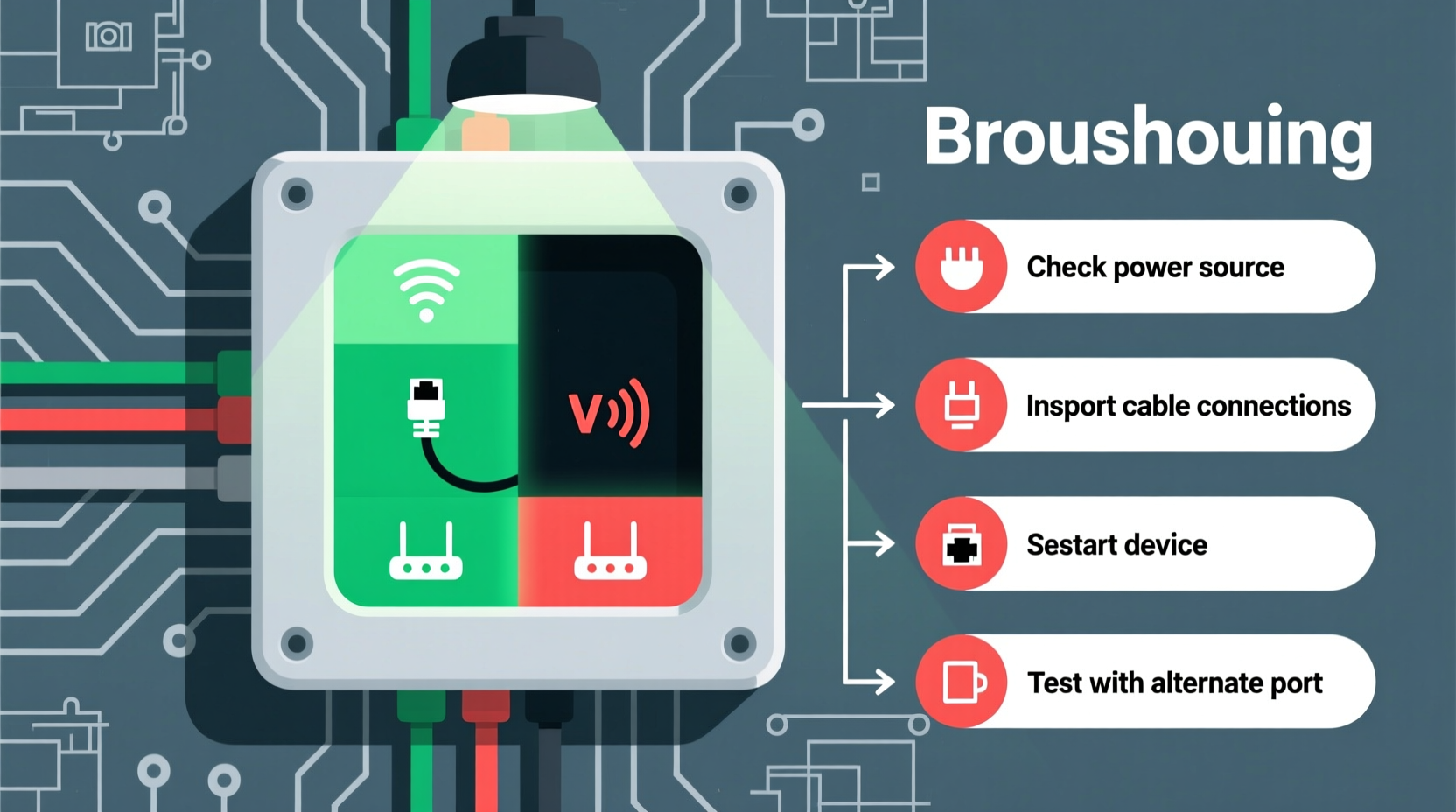
Net lights typically consist of multiple parallel circuits connected in series or semi-series configurations. Each strand contains dozens—or even hundreds—of small incandescent or LED bulbs wired along insulated copper lines. The \"net\" structure divides the entire layout into zones or rows, often powered by a single plug. Because of this segmented wiring, a fault in one area doesn't always affect the whole set—but it can isolate an entire row or quadrant.
Modern LED net lights often use shunted sockets and low-voltage transformers, making them energy-efficient but more sensitive to voltage drops or connection faults. Incandescent versions draw more power but may show gradual dimming before failing completely. Knowing your light type is the first step toward accurate diagnosis.
“Partial failure in net lights usually indicates a localized circuit break—not a total system collapse. That means the problem is likely repairable without replacing the entire set.” — Mark Delaney, Residential Lighting Technician with 18 years of field experience
Common Causes of One Dark Section
A single unlit zone in an otherwise functioning net light setup points to targeted disruptions rather than general power loss. Below are the five most frequent culprits:
- Faulty bulb or socket: A dead bulb—especially if non-shunted—can interrupt current flow to downstream lights in its segment.
- Loose or corroded wire connection: Junctions between sections or at termination points can loosen over time due to weather exposure or physical stress.
- Cut or pinched wire: Accidental damage during installation (e.g., stapling too hard, snagging on branches) may sever internal conductors.
- Voltage drop across long runs: If the net light exceeds recommended length or shares a circuit with other loads, some segments receive insufficient power.
- Failed fuse in plug or inline housing: Some models include dual fuses; one might blow while the other remains intact, powering only half the array.
Step-by-Step Troubleshooting Process
Follow this logical sequence to isolate and correct the issue efficiently. Most problems can be resolved within 30 minutes using basic tools and observation.
- Confirm Power Source and Outlet Functionality
Plug the net lights into a different outlet known to work. Use a lamp or phone charger to verify the original outlet delivers consistent power. Rule out tripped GFCI breakers or overloaded circuits. - Inspect the Plug and Fuses
Remove the end cap of the plug (if accessible). Look for glass or ceramic fuses inside. Shake gently—if you hear rattling, the fuse is broken. Replace with identical rating (usually 3A or 5A, 125V). Many sets have two fuses; only one needs to fail to cause partial outage. - Trace the Dark Section Visually
Locate where illumination stops. Follow the wire path from the last working bulb to the first dark one. Check for visible cuts, kinks, melted insulation, or disconnected leads. Pay attention to corners or anchor points where wires are bent sharply. - Test Individual Bulbs in the Affected Zone
Remove each bulb in the dark section and test in a working socket. Even one defective bulb can break continuity in older series-wired designs. For LEDs, ensure polarity isn't reversed if manually replaced. - Check for Loose Wire Nuts or Junction Boxes
Some larger nets split into sub-arrays joined by waterproof connectors. Open these carefully (while unplugged), inspect for corrosion, loose contacts, or moisture buildup. Reconnect firmly and seal with dielectric grease if needed. - Use a Voltage Tester or Multimeter
Set to AC voltage. With the lights plugged in (caution advised), probe along the live wire entering and exiting the dark zone. No reading after a certain point confirms a break upstream. Alternatively, test continuity on unplugged strands to find open circuits. - Examine End-to-End Connection (If Daisychained)
If multiple nets are linked together, the second set may not receive enough voltage. Try running the affected net directly from the outlet instead of chaining. Exceeding manufacturer-specified run lengths causes dimming or blackout in distant sections.
Tips and Preventive Measures
Once restored, protect your investment with proactive habits that reduce future failures.
- Label each set by location and voltage requirement before storage.
- Handle by the net backing, not the wires, during installation and removal.
- Use plastic clips instead of staples or nails to secure lines—metal fasteners pierce insulation over time.
- Invest in surge-protected extension cords rated for outdoor use.
- Consider upgrading to commercial-grade LED nets with parallel wiring—they’re less prone to cascading failures.
Do’s and Don’ts When Repairing Net Lights
| Do | Don’t |
|---|---|
| Unplug before inspection or repair | Work on live circuits |
| Replace bulbs with exact voltage/wattage matches | Mix bulb types (LED with incandescent) |
| Seal outdoor connections with waterproof tape or gel caps | Leave splices exposed to rain or snow |
| Use a multimeter to trace breaks | Rely solely on visual checks |
| Follow manufacturer’s max daisy-chain limits | Connect more than three sets end-to-end unless approved |
Real-World Example: Patio Display Recovery
Sarah in Portland installed 12 net lights across her backyard fence each November. Last year, the top-right quadrant of her largest panel stayed dark despite all other sections glowing blue. She confirmed the outlet worked and noticed the plug had a faint burn mark. Upon opening it, she found one of two fuses blown. After replacing it with a spare from her toolkit (kept since Year 1), the full net lit up. Later inspection revealed a frayed wire near a tree branch—she re-routed it using flexible conduit and hasn’t had an issue since.
This case illustrates how minor oversights compound into noticeable malfunctions—and how simple fixes restore full functionality. Sarah’s habit of saving spare fuses and labeling cords made recovery quick and cost-effective.
When to Repair vs. Replace
Not every failure warrants repair. Evaluate based on age, extent of damage, and safety concerns.
- Repair if:
-
– Only one or two bulbs are faulty
– There's a clear loose connection or blown fuse
– Damage is limited to an accessible junction
– The set is relatively new (<3 seasons) - Replace if:
-
– Widespread wire degradation or brittle insulation
– Multiple sections are flickering or dim
– You’ve repaired it twice already this season
– It draws excessive power or overheats
High-quality LED net lights now cost under $30 for large panels. If troubleshooting takes longer than 45 minutes or requires soldering, replacement may offer better value and reliability.
Frequently Asked Questions
Can I cut and reconnect net lights if a section is damaged?
Generally no. Cutting breaks the circuit path and alters resistance. Most net lights aren’t designed for modification. Instead, bypass the bad segment using an external jumper wire (advanced users only), or replace the entire panel.
Why do only half my net lights work after being stored all year?
Storage-related stress is common. Temperature shifts cause metal fatigue in filaments and solder joints. Moisture during off-seasons leads to corrosion. Always inspect thoroughly before reinstalling. Storing in climate-controlled spaces helps prevent this.
Is it safe to leave net lights on overnight?
Modern UL-listed LED nets are generally safe for extended use, provided they're undamaged and properly connected. However, avoid leaving them unattended for days, especially near flammable materials. Use a timer to limit operation to 6–10 hours per night.
Final Checklist Before Next Season
Stay ahead of issues with this pre-installation checklist:
- ✅ Test all sets indoors before hanging
- ✅ Verify fuses are intact and seated correctly
- ✅ Inspect every inch of wiring for nicks or abrasions
- ✅ Confirm extension cords are rated for outdoor load
- ✅ Plan layout to minimize tension and sharp bends
- ✅ Label plugs and store instructions with each set
Conclusion: Restore Light with Confidence
A dark section in your net lights doesn’t mean the end of your display. With systematic testing and careful handling, most issues stem from simple causes like blown fuses, loose bulbs, or minor wire damage—all fixable without professional help. Understanding the electrical layout, respecting safety protocols, and maintaining equipment seasonally will keep your lights shining brightly year after year.




 浙公网安备
33010002000092号
浙公网安备
33010002000092号 浙B2-20120091-4
Comments
No comments yet. Why don't you start the discussion?