
There’s a moment just after the first drops fall—a quiet hush, a cool breeze, and then it hits you: that unmistakable, earthy fragrance rising from the ground. It’s clean, sharp, and oddly comforting. For many, the smell of rain is more than just a sensory experience; it evokes nostalgia, calm, and even joy. But what causes this beloved scent? And why does it feel so deeply familiar, as if it taps directly into our emotional core? The answer lies in a natural phenomenon known as petrichor, a complex interplay of chemistry, biology, and human memory.
This scent isn’t imagined or romanticized—it’s real, measurable, and rooted in science. Yet its power extends beyond molecules and microorganisms. It connects to something primal within us, stirring recollections of childhood storms, summer evenings, or moments of renewal. Understanding petrichor and its link to memory reveals not only how nature communicates but also how our brains interpret and hold onto sensory experiences.
The Science Behind Petrichor: What Creates the Rain Scent?
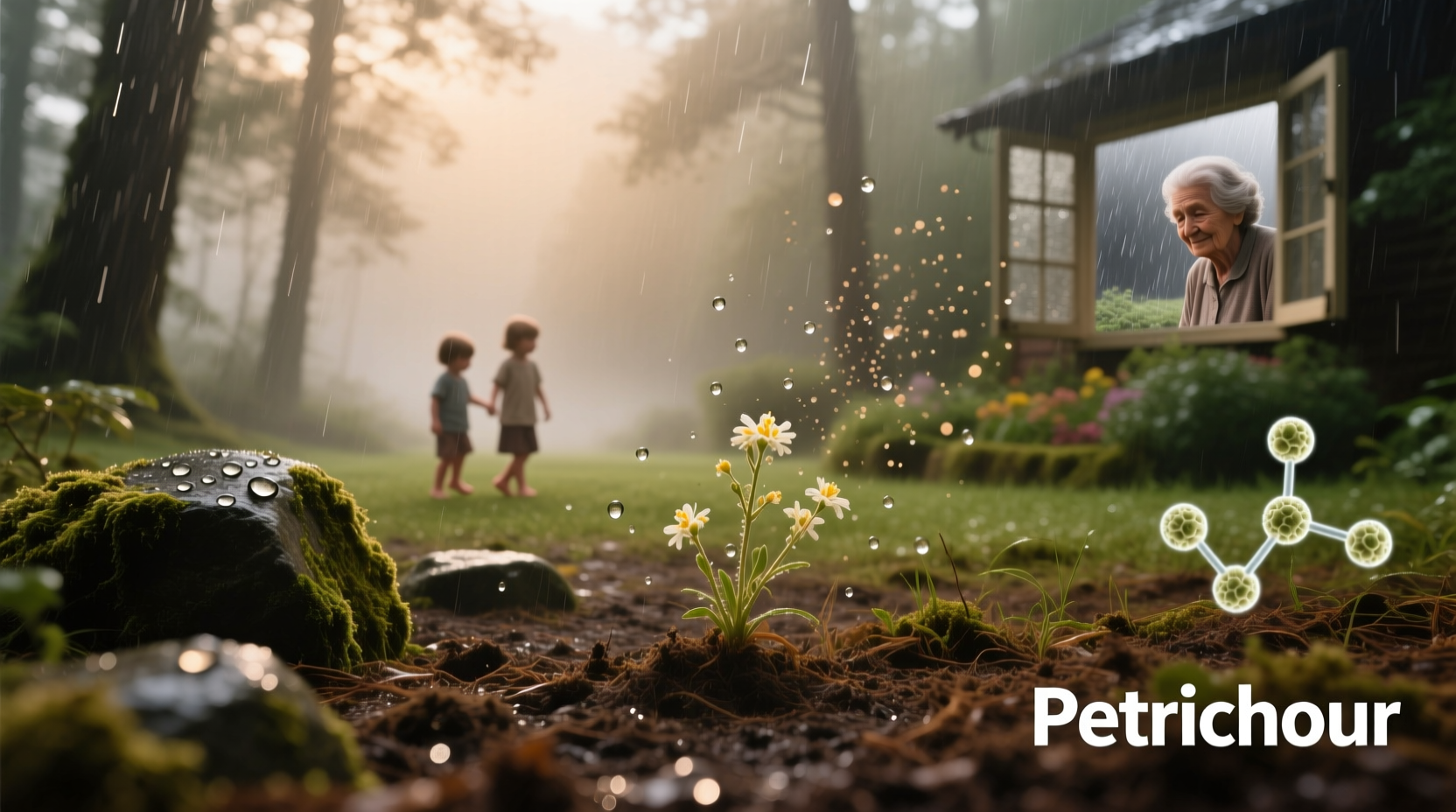
The term *petrichor* was coined in 1964 by Australian scientists Isabel Joy Bear and R. G. Thomas. Derived from the Greek words *petra* (stone) and *ichor* (the ethereal fluid that flows in the veins of the gods), it describes the distinctive odor produced when rain falls on dry soil. This scent is not from the rain itself, but rather the result of a chemical reaction between water, organic compounds, and certain bacteria in the soil.
One key contributor is a compound called **geosmin**, a metabolic byproduct released by soil-dwelling bacteria such as *Streptomyces*. These microbes are abundant in warm, arid environments and play a vital role in decomposing organic matter. When raindrops hit the ground, especially after a dry spell, they trap tiny air bubbles beneath the surface. These bubbles rise and burst, releasing aerosols—microscopic droplets carrying geosmin and other volatile compounds—into the air. This process, known as **aerosolization**, allows the scent to travel and be detected by our noses.
Another factor is **plant oils**. During dry periods, plants secrete oils that accumulate in soil and rocks. When rain falls, these oils mix with water and release aromatic compounds. Combined with geosmin, they create the full-bodied aroma we recognize as “the smell of rain.” Interestingly, humans are extremely sensitive to geosmin—we can detect it at concentrations as low as 5 parts per trillion—suggesting an evolutionary advantage in locating water sources.
Why Humans Are Wired to Love the Scent of Rain
Our attraction to petrichor isn’t arbitrary. From an evolutionary standpoint, the ability to detect moisture in the environment would have been crucial for survival. Early humans relied on rainfall for drinking water, agriculture, and sustaining plant and animal life. A keen sense of smell could help locate wet areas, predict weather patterns, or identify fertile land. Over time, the brain may have associated the scent of rain with relief, abundance, and safety—emotions that persist today, even in urban environments far removed from subsistence living.
Neurologically, the olfactory system—the part of the brain responsible for processing smell—is directly linked to the limbic system, which governs emotion and memory. Unlike other senses, smell bypasses the thalamus and sends signals straight to the amygdala and hippocampus. This direct pathway explains why scents can trigger vivid, emotional memories almost instantaneously. The smell of rain doesn’t just register cognitively; it lands in the emotional center of the brain like a well-placed note in a song.
“Smell is the only sense that has a direct neural highway to the emotional brain. That’s why a single whiff can bring back a childhood summer in seconds.” — Dr. Rachel Herz, Cognitive Neuroscientist and Author of *The Scent of Desire*
Petrichor and Memory: How Scents Unlock the Past
Memory triggered by scent is often referred to as the *Proustian effect*, named after French writer Marcel Proust, who famously described a wave of childhood memories flooding back after tasting a madeleine cookie dipped in tea. Smell-evoked memories tend to be more emotional, detailed, and durable than those triggered by sight or sound.
The smell of rain frequently recalls early life experiences: playing outside during a thunderstorm, walking home from school under darkening skies, or sitting on a porch watching downpours. Because these moments often occurred during formative years and were tied to feelings of safety or wonder, the brain encodes them deeply. Later in life, encountering petrichor reactivates those neural pathways, making the past feel startlingly present.
A 2020 study published in *Chemical Senses* found that participants exposed to geosmin-laden air reported higher levels of nostalgia and positive affect compared to control groups. Researchers concluded that the scent not only evokes memory but enhances mood, possibly due to its association with environmental renewal and relief from heat or drought.
Mini Case Study: Maria’s Monsoon Memories
Maria, a software engineer based in Seattle, grew up in Kerala, India, where monsoon season brought weeks of heavy rain. Every June, the air would thicken with humidity, and the first rains would send streams rushing through red laterite soil. “I remember running outside barefoot, smelling that rich, muddy scent,” she says. “It meant school was closed, mangoes were ripe, and my grandmother would make spiced tea.”
Now living in a rainy climate, Maria notices that every spring shower brings back those sensations. “It’s not just the smell—it’s the sound of dripping leaves, the coolness on my skin. I’ll suddenly remember her kitchen, the way she hummed while stirring jaggery into milk.” For Maria, petrichor isn’t just nostalgic—it’s a sensory portal to identity and belonging.
The Role of Environment and Culture in Rain Perception
Cultural context shapes how we experience and value the smell of rain. In regions prone to drought—such as parts of Australia, California, or sub-Saharan Africa—the arrival of rain is often met with celebration. Petrichor symbolizes hope, rebirth, and resilience. Indigenous communities have long recognized the significance of rain scents, incorporating them into rituals, oral histories, and agricultural calendars.
In contrast, in cities with frequent rainfall, the same scent might go unnoticed or even be dismissed as “damp” or “musty.” Yet, even urban dwellers report emotional responses to petrichor, particularly during seasonal transitions. A sudden summer storm in New York or London can pause commuters mid-step, drawing smiles and upward glances. This universal resonance suggests that the connection between rain, scent, and emotion transcends geography.
| Region | Rain Scent Association | Cultural Significance |
|---|---|---|
| Australia (Outback) | Relief after drought | Spiritual renewal in Aboriginal traditions |
| India (Monsoon) | Fertility and romance | Celebrated in poetry, music, and festivals like Teej |
| Mediterranean | Cleanliness and clarity | Linked to olive harvests and fresh herbs |
| Urban North America | Nostalgia or seasonal change | Often described as “refreshing” or “cleansing” |
How to Deepen Your Connection to Nature Through Scent
Modern life often distances us from natural rhythms. Air conditioning, sealed windows, and indoor routines limit exposure to outdoor scents like petrichor. Yet reconnecting with these aromas can enhance well-being, reduce stress, and strengthen our sense of place. Here’s how to become more attuned to the scent of rain and its emotional benefits:
- Go outside immediately after the first raindrops fall. Stand near unpaved ground, gardens, or parks where soil is exposed. Avoid paved areas where aerosolization is limited.
- Practice mindful smelling. Close your eyes, breathe deeply through your nose, and focus solely on the scent. Notice its layers—earthy, sweet, sharp.
- Pair the scent with reflection. Journal about memories that arise. Ask yourself: Where was I the last time I noticed this? How did I feel?
- Create a rain-inspired sensory ritual. Use essential oils like vetiver, patchouli, or petrichor-scented diffusers during dry months to evoke the feeling.
- Teach children about petrichor. Turn a rainy day into a learning moment—explain the science and share your own memories.
FAQ: Common Questions About the Smell of Rain
Is the smell of rain the same everywhere?
No. While geosmin is nearly universal, the overall scent varies based on soil type, vegetation, pollution levels, and local microbiology. Desert rain may smell sharper and more mineral-like, while forest rain carries woody, mossy notes.
Can you bottle the smell of rain?
Yes. Perfumers and chemists have recreated petrichor using synthetic geosmin and plant-derived compounds. Fragrances labeled “earth,” “forest,” or “rain” often contain these elements. Some niche perfumes explicitly market “petrichor” as a top note.
Why don’t I notice the smell sometimes?
If rain falls steadily over several days, the initial burst of aerosols dissipates quickly. Also, prolonged exposure dulls sensitivity—your nose adapts. Additionally, heavily paved or polluted areas produce weaker petrichor due to reduced soil contact and bacterial activity.
Conclusion: Embrace the Scent, Honor the Memory
The smell of rain is more than a fleeting pleasure—it’s a biological signal, a cultural touchstone, and a doorway to personal history. Petrichor connects us to the Earth’s cycles, reminding us of our dependence on nature’s rhythms. Its power lies not just in its chemistry, but in its capacity to awaken dormant feelings, transport us across time, and ground us in the present moment.
In a world increasingly dominated by artificial stimuli, taking time to notice the natural world’s subtle offerings can be revolutionary. The next time rain begins to fall, step outside. Breathe deeply. Let the scent wash over you—not just as an aroma, but as a story, a memory, and a reminder of your place in the web of life.




 浙公网安备
33010002000092号
浙公网安备
33010002000092号 浙B2-20120091-4
Comments
No comments yet. Why don't you start the discussion?