
Eating a flavorful, fiery meal can be one of life’s great culinary pleasures—until it triggers an unexpected and persistent bout of hiccups. If you’ve ever found yourself mid-bite into a chili-laden dish only to be interrupted by uncontrollable diaphragm spasms, you’re not alone. The phenomenon of spicy food causing hiccups is more common than many realize, and the culprit often lies in capsaicin, the compound that gives chili peppers their heat. But what exactly happens in the body when capsaicin meets your digestive system—and why does it sometimes send your diaphragm into overdrive? This article explores the physiological chain reaction linking spicy foods to hiccups, the role of nerve stimulation, and practical ways to prevent or stop these spasms before they ruin your meal.
The Science Behind Hiccups: A Brief Overview
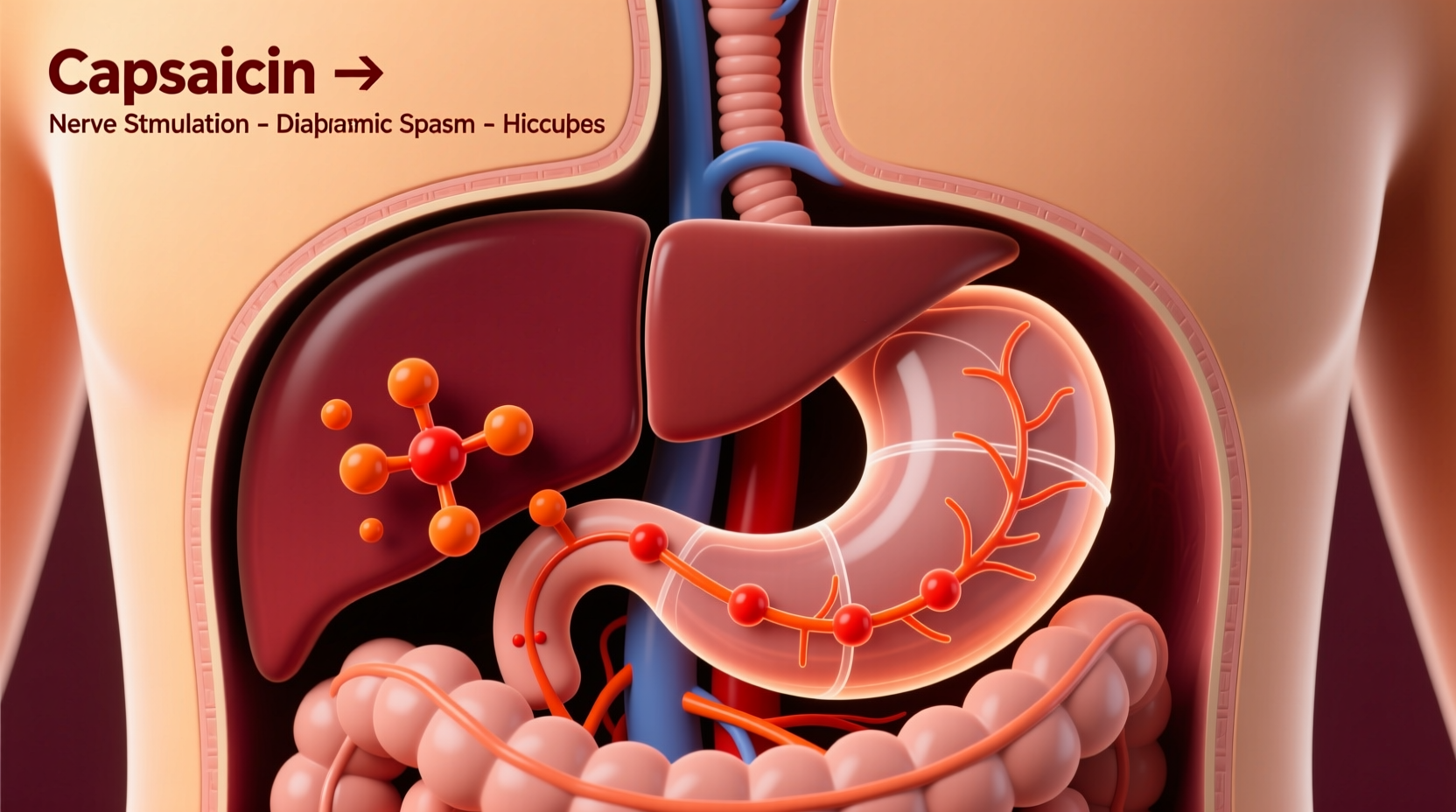
Hiccups are involuntary contractions of the diaphragm—the large, dome-shaped muscle located beneath the lungs that plays a central role in breathing. When the diaphragm contracts suddenly, the vocal cords snap shut, producing the characteristic “hic” sound. While occasional hiccups are normal and usually harmless, persistent or chronic cases can signal underlying health issues.
The hiccup reflex arc involves three key components:
- The afferent pathway: Sensory nerves (primarily the vagus and phrenic nerves) carry signals from the stomach, esophagus, and diaphragm to the brainstem.
- The central processor: The medulla oblongata in the brainstem processes these signals and initiates the reflex.
- The efferent pathway: Motor nerves relay commands back to the diaphragm and intercostal muscles, triggering the contraction.
Anything that irritates or overstimulates the nerves along this pathway can set off hiccups. Spicy food, particularly due to its capsaicin content, is a frequent offender—not because it directly harms tissue, but because it activates specific neural receptors designed to detect heat and pain.
How Capsaicin Triggers the Hiccup Reflex
Capsaicin, the active component in chili peppers, binds to a receptor called TRPV1 (transient receptor potential vanilloid 1), which is found in high concentrations in the mouth, throat, esophagus, and stomach lining. TRPV1 is a nociceptor—a type of sensory receptor that responds to potentially harmful stimuli such as extreme heat, acidity, or chemical irritants. When capsaicin binds to TRPV1, it tricks the nervous system into thinking the body is experiencing actual thermal burn, even though no physical damage occurs.
This false alarm sends a cascade of signals through the vagus nerve, one of the longest cranial nerves in the body, which connects the brainstem to organs including the heart, lungs, and digestive tract. Because the vagus nerve also innervates the diaphragm, excessive stimulation from capsaicin can inadvertently trigger the hiccup reflex.
“Capsaicin doesn’t just create a sensation of heat—it actively modulates nerve activity in the gastrointestinal tract. In sensitive individuals, this neurochemical signaling can easily cross the threshold into reflexive responses like hiccups.” — Dr. Lena Torres, Gastroenterology Researcher, Johns Hopkins University
In addition, eating spicy food quickly or in large quantities can cause rapid gastric distension—the stretching of the stomach—which further pressures the diaphragm and increases the likelihood of spasms. The combination of chemical irritation from capsaicin and mechanical pressure from fullness creates a perfect storm for hiccups.
Why Some People Are More Susceptible Than Others
Not everyone who eats spicy food experiences hiccups. Individual sensitivity varies widely based on several factors:
- Genetic differences in TRPV1 expression: Some people have more TRPV1 receptors or more responsive variants, making them more prone to capsaicin-induced reactions.
- Dietary habits: Regular consumers of spicy food may develop a degree of desensitization over time, reducing the intensity of nerve signaling.
- Gastric sensitivity: Individuals with conditions like acid reflux, gastritis, or irritable bowel syndrome (IBS) often have heightened visceral sensitivity, increasing their risk of hiccups after spicy meals.
- Eating speed: Rapid eaters are more likely to swallow air (aerophagia), which contributes to stomach bloating and diaphragmatic irritation.
A mini case study illustrates this variability: Maria, a 34-year-old teacher from New Mexico, grew up eating jalapeños daily and rarely gets hiccups from spice. Her colleague James, visiting from Maine, tried a single bite of green chile stew and developed hiccups lasting over five minutes. Despite both consuming the same dish, their neurological and gastrointestinal responses were markedly different due to genetic predisposition and dietary acclimatization.
Prevention and Immediate Relief Strategies
While you may not be able to eliminate hiccups entirely, several evidence-based strategies can minimize their occurrence or shorten their duration after eating spicy food.
Step-by-Step Guide to Preventing Spicy-Food-Induced Hiccups
- Eat slowly and chew thoroughly: Reduces air swallowing and allows your body to process capsaicin more gradually.
- Pair spicy dishes with dairy: Milk, yogurt, or cheese contain casein, a protein that helps break down capsaicin molecules and soothe irritated tissues.
- Avoid carbonated beverages with spicy meals: Bubbles increase stomach pressure and gas, heightening diaphragm irritation.
- Sip cool (not icy) water: Helps flush capsaicin from the mouth and esophagus without shocking the system.
- Limit portion size: Smaller servings reduce gastric distension and overall capsaicin load.
What to Do When Hiccups Strike
If hiccups begin shortly after eating, try these methods in order of effectiveness:
| Method | How It Works | Success Rate* |
|---|---|---|
| Hold your breath for 10–20 seconds | Increases blood CO₂ levels, which may reset the diaphragm’s rhythm | High |
| Drink a glass of water slowly | Stimulates the vagus nerve in a controlled way to interrupt spasms | Moderate |
| Gargle with cold water | Cools TRPV1 receptors and distracts the nervous system | Moderate |
| Pull your knees to your chest | Compresses the diaphragm, reducing its ability to spasm | Low to Moderate |
| Ask someone to surprise you | Startle response may disrupt the neural loop | Variable |
*Based on clinical observations and patient-reported outcomes from gastroenterology studies.
When to Be Concerned: Chronic Hiccups and Underlying Conditions
Most hiccups last only a few minutes and resolve on their own. However, hiccups that persist beyond 48 hours are classified as persistent hiccups, and those lasting over a month are termed intractable hiccups. These prolonged episodes may indicate a more serious condition, especially if triggered repeatedly by mild stimuli like spicy food.
Potential underlying causes include:
- Gastroesophageal reflux disease (GERD)
- Esophagitis or peptic ulcers
- Central nervous system disorders (e.g., stroke, multiple sclerosis)
- Metabolic imbalances (e.g., kidney failure, electrolyte disturbances)
- Medication side effects (e.g., corticosteroids, benzodiazepines)
If you experience any of the following, consult a healthcare provider:
- Hiccups lasting longer than 48 hours
- Severe abdominal pain or difficulty swallowing alongside hiccups
- Unintentional weight loss or appetite changes
- Hiccups that interfere with sleep, eating, or breathing
“Recurrent hiccups after spicy meals aren’t just a quirky annoyance—they can be a red flag for nerve irritation or GI inflammation. Don’t dismiss them if they become frequent.” — Dr. Arjun Patel, Neurogastroenterology Specialist, Cleveland Clinic
Frequently Asked Questions
Can drinking alcohol make spicy-food hiccups worse?
Yes. Alcohol is a gastric irritant and can enhance the inflammatory effect of capsaicin on the stomach lining. It also relaxes the lower esophageal sphincter, increasing acid reflux risk, which in turn can stimulate the vagus nerve and worsen hiccups.
Are there types of spicy foods less likely to cause hiccups?
Foods with non-capsaicin heat sources—such as black pepper (piperine), ginger (gingerol), or wasabi (allyl isothiocyanate)—tend to cause fewer hiccups because they activate different receptors and are metabolized differently. Fermented spicy foods like kimchi may also be better tolerated due to probiotic effects on gut sensitivity.
Do children get hiccups from spicy food more often than adults?
Children often have more sensitive digestive systems and underdeveloped tolerance to capsaicin, making them more prone to hiccups and discomfort. However, they typically outgrow acute sensitivity as their diets diversify and neural pathways adapt.
Final Thoughts and Practical Checklist
Spicy food-induced hiccups are a fascinating intersection of chemistry, neurology, and digestion. While capsaicin itself isn’t harmful, its interaction with the body’s pain-sensing network can inadvertently hijack the diaphragm’s normal function. Understanding this mechanism empowers you to make smarter choices about how, when, and how much spice you consume.
To wrap up, here’s a concise checklist to help you enjoy spicy cuisine without the hiccup hassle:
Your Spicy Meal Hiccup Prevention Checklist
- ✅ Eat slowly and mindfully
- ✅ Include dairy (yogurt, cheese, milk) in or after the meal
- ✅ Avoid carbonated drinks and alcohol with spicy dishes
- ✅ Sip room-temperature or slightly cool water
- ✅ Stop eating at first sign of fullness
- ✅ Practice breath control techniques if hiccups start
- ✅ Track frequency—if hiccups recur often, consider a medical evaluation
The next time you reach for that extra-hot curry or buffalo wing, remember: the pleasure of spice doesn’t have to come at the cost of comfort. With awareness and small adjustments, you can savor the heat—without the hiccups.




 浙公网安备
33010002000092号
浙公网安备
33010002000092号 浙B2-20120091-4
Comments
No comments yet. Why don't you start the discussion?