
It’s a familiar scene: you take a bite of a fiery curry or a plate of chili-laden tacos, and within seconds, your eyes water, your forehead breaks into a sweat, and your nose begins to drip uncontrollably. While the heat may be intentional, the runny nose often feels like an unwanted side effect. This phenomenon isn’t just annoying—it’s a fascinating physiological response rooted in how your body interprets chemical signals from certain foods. Understanding why this happens can help you manage it more effectively, whether you're a spice enthusiast or someone who accidentally bit into something hotter than expected.
The Science Behind the Sniffles
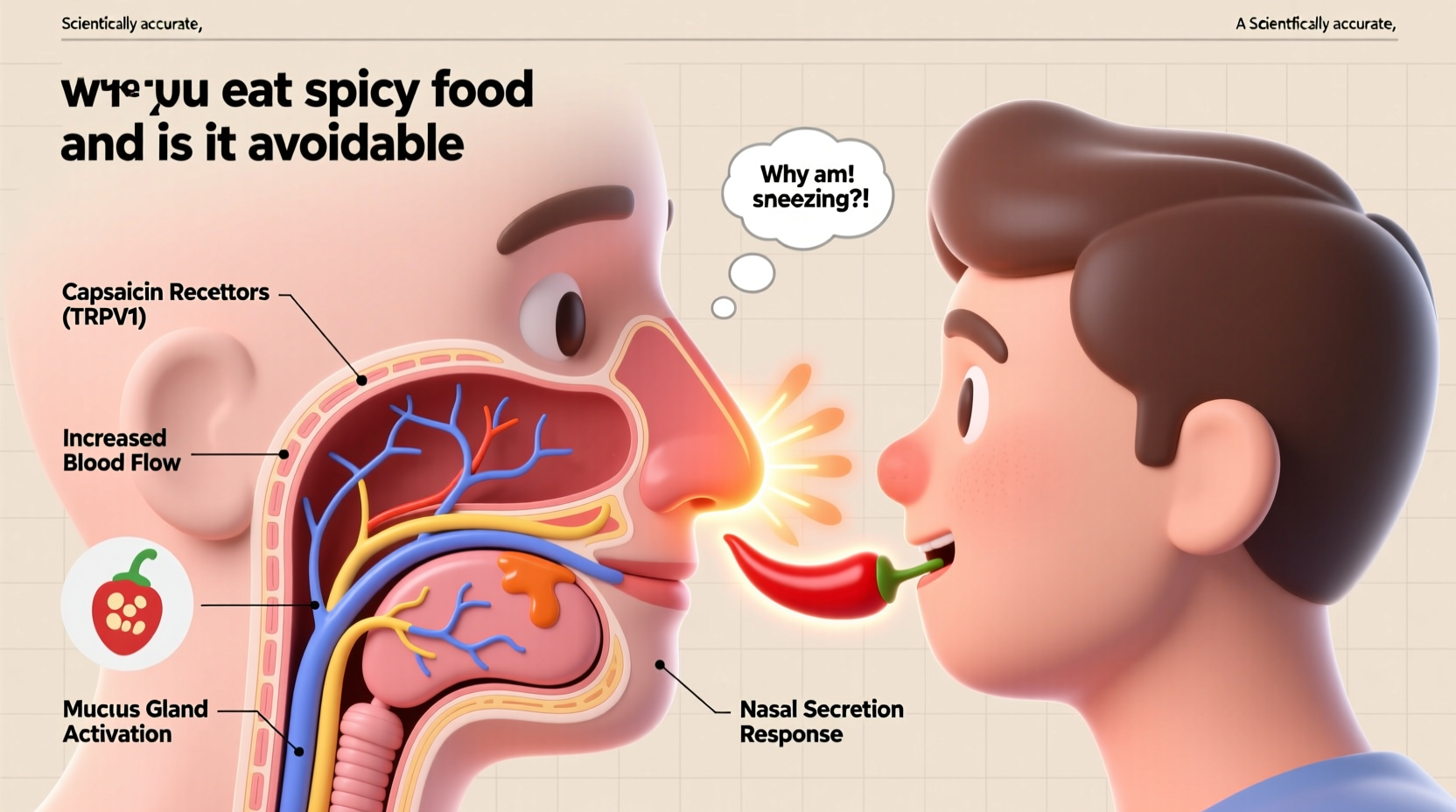
When you consume spicy food, particularly dishes seasoned with chili peppers, the active compound responsible for the heat—capsaicin—triggers a chain reaction in your nervous system. Capsaicin binds to a receptor known as TRPV1 (transient receptor potential vanilloid 1), which is primarily designed to detect heat and pain. These receptors are densely located in the mouth, throat, and nasal passages.
Because TRPV1 can't distinguish between actual thermal heat and the chemical stimulation caused by capsaicin, your brain receives signals that mimic exposure to high temperatures. In response, your autonomic nervous system initiates cooling and protective mechanisms. One of these is increased mucus production in the nasal cavity—a process meant to flush out what your body perceives as an irritant.
This explains why even though the spice is in your mouth, the reaction occurs in your nose. The trigeminal nerve, which innervates both oral and nasal regions, plays a key role in transmitting these signals. As a result, your sinuses respond by producing excess mucus, leading to the characteristic runny nose after eating spicy food.
Is This Reaction Harmful?
In most cases, a runny nose from spicy food is completely harmless and temporary. It's a natural reflex, not an allergic reaction or sign of illness. However, for individuals with pre-existing conditions such as chronic rhinitis, sinusitis, or asthma, the irritation can be more intense and prolonged.
The mucus produced during this response serves a protective function. By increasing secretions, your body attempts to dilute and expel the perceived threat—much like how tears form when cutting onions. Unlike allergies, where histamine drives mucus production, this type of rhinorrhea (runny nose) is neurogenic, meaning it originates from nerve stimulation rather than immune activation.
Interestingly, this same mechanism is why some people sneeze after eating very spicy meals. The overstimulation of the trigeminal nerve can trigger a sneeze reflex, especially if capsaicin vapors rise into the nasal cavity during chewing or swallowing.
Common Spices That Trigger Nasal Drip
Not all spicy foods affect everyone equally. The intensity of the nasal response depends on the type and concentration of irritants present. Below is a list of common culprits:
- Capsicum-based chilies – jalapeños, habaneros, cayenne, bird’s eye chilies
- Black pepper – contains piperine, another TRPV1 agonist
- Horseradish and wasabi – contain allyl isothiocyanate, which stimulates nasal passages directly
- Ginger – less potent but can still cause mild nasal irritation in sensitive individuals
- Spice blends – like curries, jerk seasoning, or Sichuan peppercorn mixes
While capsaicin gets the most attention, other compounds like piperine and allyl isothiocyanate also activate similar neural pathways, leading to comparable effects. Wasabi, for example, is notorious for sending a sharp sensation straight up into the sinuses, often causing immediate tearing and nasal discharge—even without touching the nose.
“Neurogenic rhinitis from dietary irritants is a classic example of cross-sensory signaling. The body treats chemical heat like physical heat, triggering defensive responses across multiple systems.” — Dr. Lena Torres, Neurologist & Sensory Systems Researcher
Can You Prevent a Runny Nose When Eating Spicy Food?
While you can't completely eliminate the body's natural response to capsaicin, several strategies can significantly reduce the severity of nasal symptoms. The key lies in moderating exposure, supporting your body’s adaptation, and choosing the right accompaniments.
Step-by-Step Guide to Minimizing Nasal Drip
- Start with small amounts of spice – Gradually build tolerance by introducing mild chilies before progressing to hotter varieties.
- Pair spicy foods with dairy – Casein in milk, yogurt, or cheese helps break down capsaicin molecules, reducing their impact on receptors.
- Avoid hot liquids immediately after – Drinking hot soup or tea can intensify the burning sensation and worsen nasal drainage.
- Eat starchy side dishes – Rice, bread, or potatoes absorb oils containing capsaicin, limiting direct contact with mucous membranes.
- Breathe through your mouth – This reduces airflow through the nasal passages, minimizing the spread of volatile spice compounds.
- Stay hydrated with cool fluids – Water helps flush residual capsaicin, though it’s less effective than dairy.
- Use antihistamines cautiously – While they don’t block neurogenic responses, some people report reduced mucus production with non-drowsy formulas.
Do’s and Don’ts When Dealing with Spice-Induced Rhinorrhea
| Do | Don’t |
|---|---|
| Consume dairy products alongside spicy meals | Drink alcohol—it can increase irritation and dehydration |
| Blot your nose gently instead of blowing hard | Blow your nose aggressively, which can inflame nasal tissues |
| Build spice tolerance gradually over time | Jump straight into extremely hot dishes without preparation |
| Choose creamy sauces or coconut milk-based curries | Pair spices with acidic foods like citrus, which may enhance burning |
| Rinse your mouth with cold milk post-meal | Rely solely on water to relieve the burn |
Real-Life Example: A Sichuan Dining Experience
Consider Mark, a traveler visiting Chengdu, China, renowned for its bold, numbingly spicy cuisine. At a local restaurant, he orders mapo tofu, a dish famous for its liberal use of Sichuan peppercorns and fermented chili bean paste. Within minutes of his first bite, his nose begins to run, his glasses fog up, and he reaches for tissues repeatedly.
Initially uncomfortable, Mark observes that locals at neighboring tables seem unfazed. He notices they sip soy milk throughout the meal and eat generous portions of steamed rice. He follows suit, ordering a side of plain rice and a glass of chilled yogurt drink. Over the next few bites, he finds the nasal drip decreasing noticeably. By the end of the meal, while still feeling warmth, his symptoms are far more manageable.
This scenario illustrates how cultural food practices incorporate built-in mitigations for spice-related discomfort. The combination of starch and dairy, paced eating, and proper beverage pairing makes high-spice dining enjoyable rather than overwhelming.
Building Long-Term Tolerance
Regular exposure to capsaicin can lead to desensitization of TRPV1 receptors. Over time, frequent consumers of spicy food often report diminished reactions—including less sweating, tearing, and nasal discharge. This adaptation doesn’t mean the spice becomes weaker; rather, the nervous system adjusts its response threshold.
Studies suggest that consistent consumption of moderate-to-high heat foods over weeks can reduce sensitivity by up to 50% in some individuals. However, this varies widely based on genetics, diet, and individual physiology. Some people naturally have more TRPV1 receptors, making them more reactive to spice from the outset.
If you're aiming to enjoy spicy food without the accompanying sniffles, consistency is key. Begin with milder peppers like poblanos or Anaheim chilies, then slowly introduce hotter varieties like serranos or Thai chilies. Track your reactions and adjust accordingly. Pairing each new level with dairy ensures the experience remains pleasant and controlled.
FAQ
Is a runny nose from spicy food a sign of allergy?
No. A runny nose caused by spicy food is a neurogenic response, not an allergic reaction. Allergies typically involve additional symptoms like itching, swelling, hives, or difficulty breathing, and are mediated by histamine release. If you suspect a true food allergy, consult an allergist for testing.
Why do some people not get a runny nose from spicy food?
Individual variation in TRPV1 receptor density, prior exposure, and genetic factors influence sensitivity. People who regularly eat spicy foods often develop desensitized nerve pathways, resulting in fewer physical reactions. Cultural dietary habits also play a role in shaping tolerance levels.
Can drinking water stop my nose from running after spicy food?
Water provides minimal relief because capsaicin is hydrophobic (doesn’t dissolve well in water). It may temporarily soothe the mouth but won’t neutralize the compound or reduce nasal symptoms effectively. Cold milk, yogurt, or fatty foods are far more effective at binding and removing capsaicin.
Conclusion: Embrace the Heat—Without the Drip
A runny nose when eating spicy food is a normal, predictable reaction driven by your body’s protective mechanisms. While it can’t be entirely avoided, understanding the underlying biology empowers you to minimize discomfort through smart choices. From pairing your meal with dairy to pacing your spice intake, small adjustments make a big difference.
Whether you're exploring global cuisines or simply enjoying a bowl of hot ramen, you don’t need to suffer through constant tissue use. With knowledge, preparation, and gradual adaptation, you can savor the complexity of spicy flavors while keeping your nose under control.




 浙公网安备
33010002000092号
浙公网安备
33010002000092号 浙B2-20120091-4
Comments
No comments yet. Why don't you start the discussion?