
Fasting is not a modern diet trend—it’s an ancient practice with deep roots in human biology and culture. From religious rituals to medical therapies, abstaining from food for defined periods has long been recognized for its physical and mental effects. Today, scientific research is validating what tradition has long suggested: fasting can profoundly influence metabolism, brain function, cellular repair, and longevity. Understanding why people fast—and how it benefits the body—can help individuals make informed decisions about incorporating it into their lifestyle.
The Biological Mechanism Behind Fasting
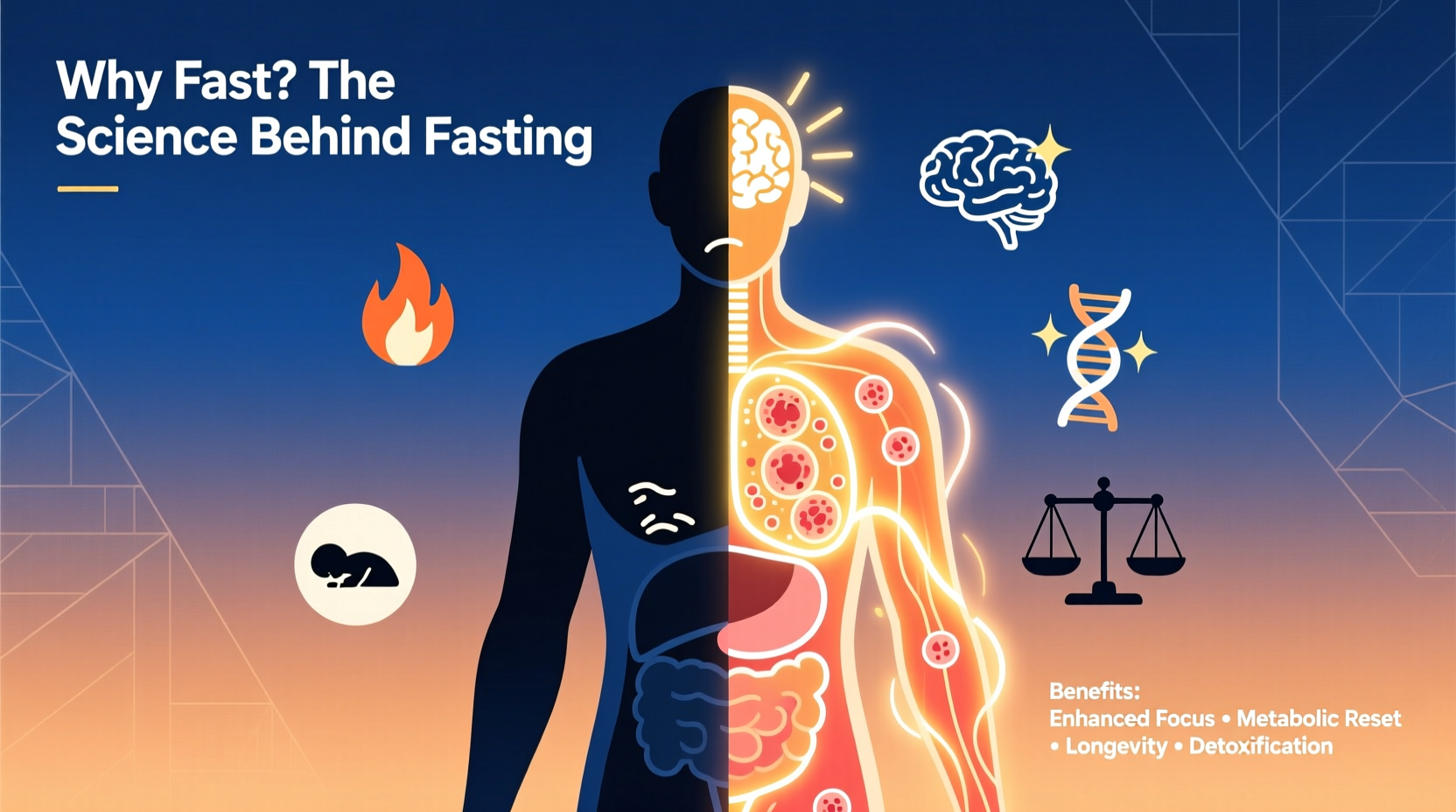
When food is consistently available, the body relies on glucose from carbohydrates as its primary energy source. Insulin levels remain elevated, signaling cells to store energy rather than burn it. However, when food intake stops during a fast, insulin drops, and the body shifts into fat-burning mode. After approximately 12–16 hours without calories, glycogen stores in the liver are depleted, prompting the liver to convert fat into ketones—a clean-burning fuel alternative that powers the brain and muscles.
This metabolic switch is central to many of fasting’s benefits. Ketosis enhances mitochondrial efficiency, reduces oxidative stress, and may protect neurons from degeneration. Additionally, fasting triggers autophagy—the body’s natural process of cleaning out damaged cells and regenerating new ones. This cellular “spring cleaning” plays a crucial role in preventing chronic diseases, including cancer and neurodegenerative disorders.
Top Health Benefits of Fasting
The advantages of fasting extend far beyond weight management. While shedding excess fat is a common motivation, the systemic improvements are often more impactful.
- Improved Insulin Sensitivity: Fasting lowers insulin levels and increases insulin sensitivity, reducing the risk of type 2 diabetes.
- Enhanced Brain Function: Ketones provide efficient fuel for the brain, while fasting boosts BDNF (brain-derived neurotrophic factor), supporting cognitive function and mood regulation.
- Reduced Inflammation: Chronic inflammation underlies many diseases. Fasting has been shown to lower markers like CRP and IL-6.
- Cellular Repair and Longevity: Autophagy removes dysfunctional proteins and organelles, potentially slowing aging and delaying age-related diseases.
- Cardiovascular Protection: Studies show improved blood pressure, cholesterol profiles, and triglyceride levels with intermittent fasting.
“Fasting is the most effective non-pharmacological intervention we have for improving metabolic health and enhancing resilience at the cellular level.” — Dr. Mark Mattson, former Chief of the Laboratory of Neurosciences at the National Institute on Aging
Different Fasting Methods Compared
Not all fasting is the same. The right approach depends on individual goals, lifestyle, and health status. Below is a comparison of popular fasting protocols:
| Fasting Method | Duration & Pattern | Best For | Potential Challenges |
|---|---|---|---|
| Time-Restricted Eating (16:8) | Fast for 16 hours, eat within 8-hour window | Beginners, daily routine integration | Hunger in early adaptation phase |
| 5:2 Diet | Eat normally 5 days, restrict to ~500–600 kcal on 2 non-consecutive days | Weight loss, flexibility | Calorie counting on fast days |
| Alternate-Day Fasting | Fast every other day (full or modified) | Rapid metabolic reset | Social meal disruption, fatigue |
| Extended Fasting (24–72 hours) | One to three full days without food | Deep autophagy, mental clarity | Requires medical supervision if prolonged |
| Religious Fasts (e.g., Ramadan, Lent) | Varies by tradition—sunrise to sunset or abstinence from specific foods | Spiritual discipline, community practice | Hydration management, energy dips |
A Real-Life Example: Maria’s 30-Day Fasting Journey
Maria, a 42-year-old teacher from Portland, struggled with fatigue, bloating, and fluctuating blood sugar despite eating “healthy” whole grains and low-fat meals. After reading about metabolic flexibility, she decided to try 16:8 time-restricted eating. She ate her first meal at noon and finished dinner by 8 PM, drinking only water, herbal tea, and black coffee during the fast.
Within two weeks, Maria noticed sharper focus during afternoon classes and fewer cravings. By day 21, her fasting blood glucose dropped from 108 mg/dL to 92 mg/dL, and she lost 7 pounds without calorie counting. Most importantly, she reported feeling “lighter mentally”—a benefit she hadn’t anticipated. Her experience reflects findings from clinical studies showing that even modest fasting windows can restore metabolic balance.
Step-by-Step Guide to Starting Fasting Safely
Beginning a fasting regimen requires preparation and mindfulness. Follow this timeline to ease into the practice:
- Week 1: Observe Your Eating Patterns
Track meals, snacks, and hunger cues. Identify late-night eating or emotional triggers. - Week 2: Extend the Overnight Fast to 12 Hours
Finish dinner by 7 PM, delay breakfast until 7 AM. Hydrate well during the fast. - Week 3: Increase to 14–16 Hours
Push breakfast to 9 or 10 AM. Prioritize protein and healthy fats in your first meal. - Week 4: Evaluate Energy and Adjust
Assess mental clarity, sleep quality, and appetite. Consider trying a 24-hour fast once weekly if comfortable. - Ongoing: Monitor Biomarkers
Check blood pressure, weight, waist circumference, and—if possible—fasting insulin or HbA1c every few months.
Common Misconceptions About Fasting
Despite growing popularity, myths persist. One common belief is that skipping meals slows metabolism. However, short-term fasting (up to 48 hours) does not suppress metabolic rate; in fact, norepinephrine increases during fasting, temporarily boosting calorie expenditure. Another myth is that fasting leads to muscle loss. Research shows that when adequate protein is consumed during eating windows and resistance training is maintained, muscle mass is preserved—even during extended fasts.
Additionally, concerns about nutrient deficiency are valid only with prolonged or repeated fasting without proper refeeding. For most healthy adults, intermittent fasting is safe and may enhance nutrient absorption due to gut rest and microbiome shifts.
FAQ
Can I drink anything during a fast?
Yes. Water, black coffee, plain tea, and electrolyte-infused water (without sugar or calories) are permitted and encouraged to maintain hydration and reduce hunger pangs.
Is fasting safe for women?
Most women tolerate intermittent fasting well, but some may experience hormonal disruptions—especially with aggressive protocols. Women should start conservatively (12–14 hour fasts) and monitor menstrual regularity, energy, and sleep.
Who should avoid fasting?
Individuals with a history of eating disorders, pregnant or breastfeeding women, underweight individuals, and those with advanced diabetes on insulin should consult a healthcare provider before fasting.
Final Thoughts and Call to Action
Fasting is more than a tool for weight control—it’s a biological reset that aligns with our evolutionary heritage. Whether practiced for metabolic health, mental clarity, or spiritual growth, its benefits are both immediate and long-term. The key lies in personalization: choosing a method that fits your life, listening to your body, and respecting physiological limits.
If you’ve been curious about fasting, take the first step today. Try a 12-hour fast and observe how you feel. Track your energy, mood, and hunger. Share your experience in the comments below—your journey might inspire someone else to explore the power of strategic eating.




 浙公网安备
33010002000092号
浙公网安备
33010002000092号 浙B2-20120091-4
Comments
No comments yet. Why don't you start the discussion?