
Fencing is often perceived as a graceful, fast-paced sport rooted in tradition—but beneath the elegance lies a sophisticated system of electronics that ensures fairness and precision. One of the most visible elements of this system is the wire trailing from each fencer’s uniform. These aren’t just cords; they are critical components of an electrical circuit that determines who scores when. Understanding why fencers use wires—and how these connections work—reveals the blend of athleticism and engineering that defines modern competitive fencing.
The Role of Electrical Scoring in Modern Fencing
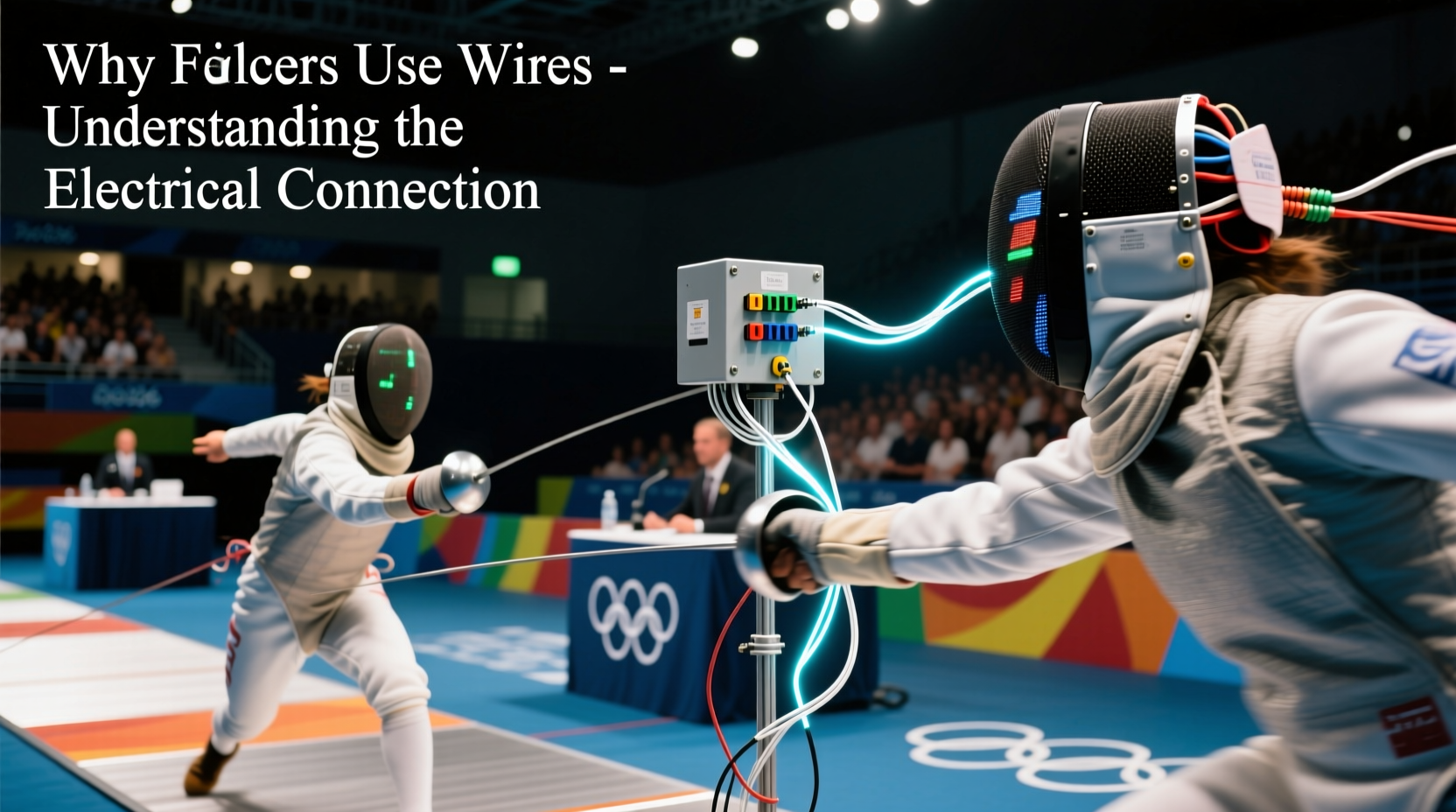
Before the mid-20th century, fencing bouts relied entirely on human judges to determine touches. With actions occurring in fractions of a second, disputes were common. The introduction of electrical scoring systems in the 1930s revolutionized the sport, drastically improving accuracy and reducing subjectivity.
Today, all three disciplines—foil, épée, and sabre—use electronic scoring, but each has unique rules about where valid touches can land. The electrical connection formed by the wires allows the system to detect contact instantly and register it on a scoring box. Without this technology, high-speed bouts would be nearly impossible to judge reliably.
The core idea is simple: when a fencer lands a hit with sufficient pressure, the circuit closes, sending a signal to the scoring apparatus. The wire is the final link that connects the fencer’s weapon to the system.
How the Electrical System Works: A Breakdown
Each fencer is part of a closed-loop electrical circuit that includes their weapon, body cord, reel system, floor cable, and the central scoring box. Here’s how the components interact:
- Weapon Tip or Blade: In foil and épée, the tip contains spring-loaded contacts that close upon impact. In sabre, any contact along the blade edge or point can register a touch.
- Body Cord: A three-wire cord tucked into the sleeve and connected to the weapon. It transmits signals from the weapon to the reel.
- Reel and Floor Cable: Mounted on the strip, the retractable reel holds the wire and maintains tension while allowing movement. It connects to the scoring box via a floor cable.
- Scoring Box: Interprets incoming signals, distinguishes between valid and off-target hits (in foil), and lights corresponding indicators (red or green).
The entire setup functions like a switch. When the fencer hits their opponent, the circuit completes, and the scoring machine registers the touch. If the hit lands outside the valid target area—or if the force is insufficient—the circuit either doesn’t close or is filtered out based on resistance thresholds.
Differences Across Weapons: Why Wires Are Used Differently
While all weapons use wired connections, the implementation varies due to differing rules and target areas. A comparison clarifies these distinctions:
| Weapon | Target Area | Wiring Complexity | Circuit Logic |
|---|---|---|---|
| Foil | Torso only | Three-wire system with insulated jacket | Must distinguish valid hits from off-target; uses grounded lamé to define target zone |
| Épée | Entire body | Simpler two-wire system | No right-of-way; any touch registers. No lamé needed. |
| Sabre | Waist up, including head and arms | Three-wire with conductive mask and sleeve | Uses conductivity to detect cuts and thrusts; grounded strip prevents floor touches from registering |
In foil, the fencer wears a metallic vest called a lamé over the valid target area. This lamé is wired to ground, so when the opponent’s weapon makes contact, the circuit passes through the lamé and back via the body cord. Hits outside the lamé don’t complete the correct circuit path and are ignored.
Épée, by contrast, requires no lamé because the entire body is target. Its circuit is simpler: a direct connection between weapon tip and scoring box. Double touches are allowed, so both lights may illuminate simultaneously.
Sabre combines aspects of both. Because slashes count, the entire front (including the mask) is conductive. The system must differentiate between valid cutting surfaces and non-conductive areas like the back or legs. Grounding the piste (strip) ensures that accidental blade-floor contact doesn’t trigger a false signal.
Maintaining Reliable Connections: A Practical Guide
A malfunctioning wire can cost a fencer a match. Even minor issues—like oxidation on metal contacts or internal breaks in the cord—can disrupt the circuit. To ensure consistent performance, fencers should follow a routine maintenance checklist.
Electrical System Maintenance Checklist
- Inspect body cords weekly for kinks, exposed wires, or bent prongs.
- Clean weapon tips and socket contacts with a dry cloth or contact cleaner.
- Test continuity using a multimeter or dedicated tester before tournaments.
- Check that the reel moves smoothly and retracts without snagging.
- Ensure all plugs fit snugly—loose connections cause intermittent signals.
- Store cords coiled loosely to prevent internal wire stress.
Many elite fencers carry multiple spare body cords to avoid last-minute failures. At major competitions, officials conduct equipment checks to verify that circuits respond correctly under test conditions.
“Reliability in the electrical system isn’t optional—it’s part of the athlete’s preparation. A single faulty wire can change the outcome of a bout.” — Daniel Rivera, USA Fencing Equipment Inspector
Real-World Scenario: The Cost of a Loose Connection
During a national junior foil event, a fencer landed what appeared to be a clean touch in the final seconds of a tied bout. The referee waited for the light—green for the attacker, red for the defender—but only an off-target (white) light illuminated. Video replay showed clear contact on the chest, within the valid zone.
Upon inspection, tournament technicians discovered that the fencer’s body cord had a broken internal wire. Though the plug seemed secure, the signal couldn’t travel from the weapon to the reel. The touch wasn’t registered, and the match ended in a loss.
This incident underscores how crucial proper gear maintenance is. Despite flawless technique, the athlete was penalized by equipment failure—a reminder that in modern fencing, physical skill and technical readiness go hand in hand.
Frequently Asked Questions
Why do fencers have wires attached to them?
The wire, known as a body cord, connects the fencer’s weapon to the scoring system. It transmits electrical signals when a hit is made, allowing the system to register touches accurately and objectively.
Can a bout proceed if a wire comes unplugged?
If a wire disconnects during a bout, the action is halted immediately. The referee will stop the clock and allow time for reconnection or replacement. However, any actions during the disconnection won’t be scored.
Do recreational fencers need wired systems?
Not always. Many beginner or club-level sessions use non-electric weapons for drills and practice. However, anyone training for competition must become proficient with electric gear, as all official matches rely on it.
Conclusion: Embracing Technology for Fair Competition
The wires trailing behind fencers are more than just accessories—they are essential links in a precise technological chain that upholds fairness in one of the fastest sports in the world. From the spring-loaded tip of an épée to the conductive fabric of a sabre lamé, every component plays a role in transforming physical action into digital signal.
Understanding this system empowers athletes to take ownership of their equipment, troubleshoot issues quickly, and compete with confidence. Whether you're a novice stepping onto the strip or a seasoned competitor refining your edge, respecting the electrical connection is part of mastering the sport.




 浙公网安备
33010002000092号
浙公网安备
33010002000092号 浙B2-20120091-4
Comments
No comments yet. Why don't you start the discussion?