
Film is more than entertainment. It is a mirror reflecting our values, fears, dreams, and histories. From silent reels to streaming epics, cinema has evolved into one of humanity’s most influential art forms. It shapes public opinion, preserves cultural memory, and fosters empathy across borders. In an age saturated with digital noise, the enduring relevance of film lies not in its technology, but in its ability to connect us—to each other, to history, and to ourselves.
The Emotional Power of Storytelling
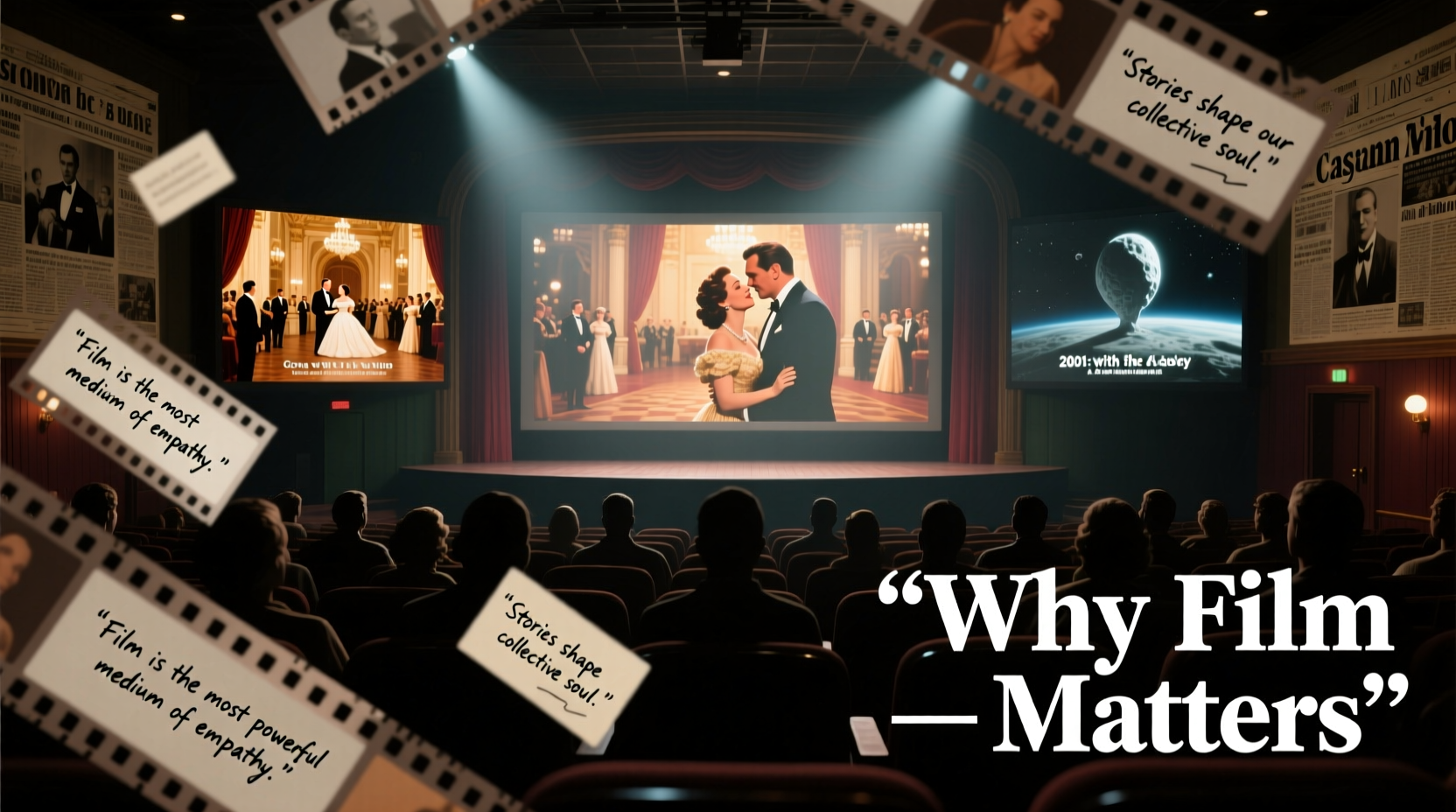
At its core, film is storytelling elevated through sight and sound. Unlike written narratives or static images, movies engage multiple senses simultaneously, creating immersive experiences that can evoke laughter, sorrow, fear, or inspiration within minutes. This emotional immediacy allows films to reach audiences on a visceral level, often bypassing intellectual filters to touch something deeper.
Consider how a single scene—like the final moments of *Schindler’s List* or the opening montage of *Up*—can leave viewers emotionally transformed. These moments endure because they tap into universal human experiences: loss, love, resilience, hope. Filmmakers use lighting, music, pacing, and performance to craft sequences that resonate long after the credits roll.
Preserving Cultural Memory
Films act as time capsules, preserving the social norms, aesthetics, and political climates of their eras. A 1950s Hollywood musical reveals postwar optimism and gender roles; a 1970s New York crime drama captures urban decay and systemic distrust. Even fictional stories reflect real-world concerns—science fiction often anticipates technological anxieties, while historical dramas reinterpret national identities.
Documentaries, in particular, serve as direct records of lived experience. Works like *13th* by Ava DuVernay or *Man on Wire* by James Marsh document injustice and triumph with factual rigor and narrative flair. These films don’t just inform—they mobilize, educate, and preserve marginalized voices that might otherwise be erased from official history.
“Film is a petrified fountain of thought.” — Jean-Luc Godard, French-Swiss filmmaker and critic
Film as a Tool for Social Change
Cinema has repeatedly proven its capacity to influence public discourse and policy. When *Black Panther* premiered in 2018, it wasn’t merely a box office success—it became a cultural phenomenon affirming Black identity and Afrocentric pride globally. Similarly, *Philadelphia* (1993) helped shift perceptions around HIV/AIDS at a time when misinformation was rampant.
Films can challenge stereotypes, expose injustices, and amplify underrepresented narratives. The rise of diverse filmmakers—from Barry Jenkins to Céline Sciamma—has expanded the range of stories told and who gets to tell them. This inclusivity doesn’t dilute cinematic quality; it enriches it.
| Film | Social Issue Addressed | Cultural Impact |
|---|---|---|
| *The Hate U Give* (2018) | Police brutality, racial profiling | Sparked classroom discussions nationwide; adopted into school curricula |
| *Parasite* (2019) | Class inequality, capitalism | Became first non-English language film to win Best Picture at the Oscars |
| *Moonlight* (2016) | Black queer identity, masculinity | Won Best Picture; celebrated for authentic representation |
A Global Language Without Words
Film transcends linguistic barriers. While dialogue may require subtitles, visual storytelling relies on universal cues—facial expressions, gestures, symbolism. A child in Tokyo can understand the loneliness of E.T., just as a viewer in Lagos can feel the tension in *No Country for Old Men*. This cross-cultural accessibility makes film a powerful diplomatic tool.
International co-productions and film festivals foster creative exchange. The Cannes Film Festival, Berlinale, and Toronto International Film Festival provide platforms where ideas circulate freely, often sparking collaborations that blend cinematic traditions from different continents. Through these exchanges, audiences gain insight into lives unlike their own—building empathy one frame at a time.
Economic and Educational Influence
Beyond culture, film drives economies. The global film industry generates hundreds of billions annually, supporting millions of jobs—not only actors and directors, but also technicians, costume designers, marketers, and educators. Countries like South Korea and Nigeria have built thriving export industries around their cinema (Korean Wave, Nollywood), boosting tourism and soft power.
In education, film is increasingly used as a pedagogical tool. Teachers incorporate clips to illustrate historical events, analyze literary adaptations, or teach media literacy. Students learn critical thinking by deconstructing camera angles, editing choices, and narrative structure. Understanding how films construct reality helps young people navigate a world saturated with visual media.
Mini Case Study: The Rise of Korean Cinema
In the late 1990s, South Korea invested heavily in its film industry, reducing censorship and funding new talent. The result? A cinematic renaissance. Directors like Bong Joon-ho (*Parasite*, *Snowpiercer*) gained international acclaim, blending sharp social commentary with genre innovation. By 2020, *Parasite* made history at the Academy Awards, winning four Oscars including Best Picture—a milestone for non-English cinema.
This success wasn’t accidental. It stemmed from government support, creative freedom, and a willingness to tackle uncomfortable truths about class and corruption. Today, Korean dramas and films are streamed worldwide, influencing fashion, music, and even language learning. The case demonstrates how strategic investment in film can elevate a nation’s global standing.
How to Engage With Film More Meaningfully
To truly appreciate why film matters, passive viewing must give way to active engagement. Here’s a practical checklist to deepen your relationship with cinema:
- Watch with intention: Choose films based on theme or director, not just popularity.
- Analyze technique: Notice cinematography, sound design, and editing rhythms.
- Research context: Learn about the historical or political backdrop of the film.
- Discuss with others: Join a film club or online forum to exchange interpretations.
- Support independent cinema: Attend local screenings or film festivals.
- Create your own: Even short videos help you understand the challenges and rewards of filmmaking.
Expert Insight on Film’s Future
“The future of film isn’t in bigger budgets or better effects—it’s in bolder truths. The most impactful stories will come from those who’ve been silenced for too long.” — Ava DuVernay, Director of *Selma* and *When They See Us*
Frequently Asked Questions
Why is film considered an art form?
Film combines elements of writing, acting, photography, music, and editing into a cohesive creative expression. Like painting or theater, it allows artists to convey complex ideas and emotions through structured composition and symbolic language.
Can watching films really change someone’s beliefs?
Yes. Psychological studies show that narrative transportation—the immersive feeling of “being inside” a story—can temporarily suspend skepticism and increase openness to new perspectives. Films that portray marginalized groups with dignity often reduce prejudice among viewers.
Is streaming replacing traditional cinema?
Streaming has changed distribution and access, but theatrical experiences remain vital. Big-screen viewing offers communal engagement and technical immersion (sound, image scale) that home setups can’t fully replicate. The two formats now coexist, each serving different audience needs.
Conclusion: Why We Must Protect and Value Cinema
Film is not a luxury—it is a necessity. It educates, heals, challenges, and unites. In times of crisis, we turn to movies for escape and understanding. In times of peace, they push us to imagine better worlds. As algorithms prioritize quick content over depth, the role of thoughtful, well-crafted cinema becomes even more crucial.
We must champion diverse voices, protect artistic freedom, and teach future generations to watch critically and empathetically. Whether you're a casual viewer or aspiring creator, your engagement matters. Every ticket bought, every discussion had, every film preserved contributes to a richer cultural legacy.




 浙公网安备
33010002000092号
浙公网安备
33010002000092号 浙B2-20120091-4
Comments
No comments yet. Why don't you start the discussion?