
Frogs are among nature’s most fascinating creatures, not just for their vibrant colors or distinctive calls, but for their extraordinary life cycle. The idea that frogs “have two lives” is more than a poetic expression—it reflects a biological truth rooted in one of the most dramatic transformations in the animal kingdom: metamorphosis. This process allows frogs to transition from aquatic larvae to terrestrial adults, adapting to entirely different environments at different stages. Understanding this dual existence offers insight into evolution, ecology, and the delicate balance of ecosystems.
The Two Lives Explained: Aquatic Beginnings and Terrestrial Adulthood
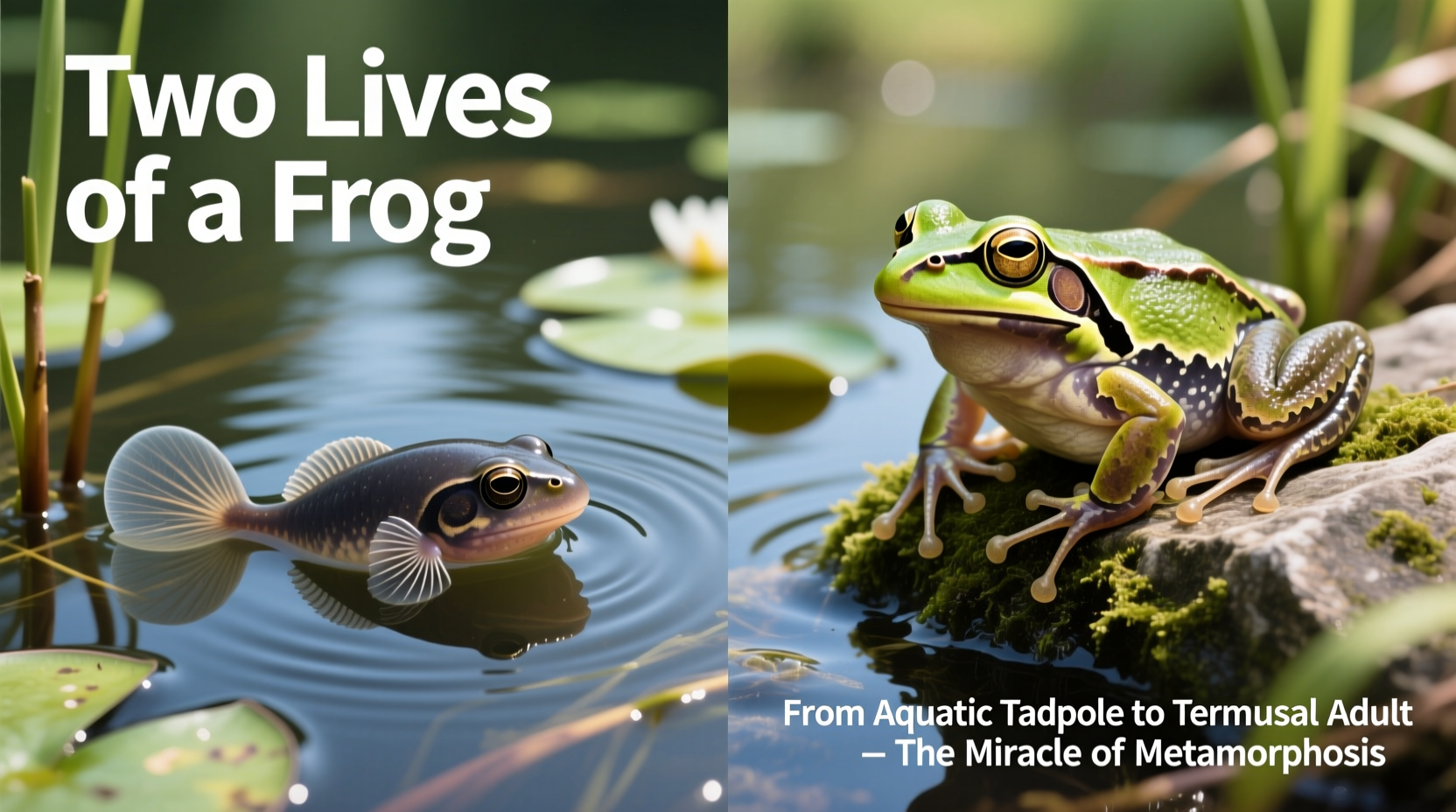
The phrase “two lives” refers to the stark contrast between a frog’s larval stage as a tadpole and its mature form as an adult. These stages differ so profoundly in anatomy, behavior, habitat, and diet that they resemble two separate organisms sharing one genetic blueprint.
Tadpoles hatch from eggs laid in water. At this stage, they are fully aquatic, breathing through gills, swimming with tails, and feeding on algae and detritus. As they grow, a series of internal and external changes begin—triggered by hormones like thyroxine—that reconfigure their bodies for life on land. Over weeks or months, depending on species and environment, they lose their tails, develop limbs, replace gills with lungs, and shift from herbivory to carnivory.
This transformation isn’t merely physical; it represents a complete ecological repositioning. A creature born to live submerged in ponds emerges capable of hopping through forests, hunting insects, and breeding in new waters—a true second life.
Stages of Frog Metamorphosis: A Step-by-Step Timeline
Metamorphosis is a tightly regulated biological sequence. While timing varies across species, the general progression follows a consistent pattern:
- Egg Stage (0–7 days): Eggs are laid in gelatinous masses in freshwater. Embryos develop within protective capsules, hatching into tadpoles.
- Tadpole Emergence (Week 1–2): Newly hatched tadpoles rely on yolk sacs initially, then begin grazing on microalgae. External gills may be visible early on.
- Growth Phase (Weeks 2–6): Tadpoles grow rapidly, developing strong tails and internal organs. Hind limbs start to bud.
- Limb Development (Weeks 6–9): Hind legs become prominent, followed by front legs emerging beneath gill covers. The digestive tract begins shortening in preparation for a carnivorous diet.
- Resorption and Transition (Weeks 9–12): Gills are absorbed, lungs expand, and the mouth reshapes. The tail shrinks as energy is redirected toward remodeling tissues.
- Adult Frog (Week 12+): The tail disappears completely. The frog leaves water, breathes air, and begins hunting small invertebrates.
This timeline can compress to as little as six weeks in warm climates or extend beyond four months in cooler regions. Environmental factors such as temperature, food availability, and predator presence heavily influence developmental speed.
Biological Mechanisms Behind the Change
The engine driving metamorphosis is endocrinology—specifically, the thyroid system. As tadpoles reach a critical size, the hypothalamus signals the pituitary gland to release thyroid-stimulating hormone (TSH), which prompts the thyroid to secrete thyroxine (T4). This hormone activates genes responsible for tissue reorganization.
Key transformations include:
- Gill resorption and lung inflation: Gills degenerate while lung capacity increases, enabling air breathing.
- Tail resorption: Controlled cell death (apoptosis) dismantles the tail, recycling nutrients for limb and organ development.
- Dietary adaptation: The long, coiled gut of a herbivorous tadpole shortens dramatically to accommodate a meat-based diet.
- Skeletal restructuring: Limb buds grow into functional legs, supported by cartilage-to-bone conversion.
“Amphibian metamorphosis is one of the clearest examples of how hormones can orchestrate complex morphological change across a lifetime.” — Dr. Helen Ramirez, Developmental Biologist, University of Oregon
Ecological Importance of Dual Life Stages
The two-phase life cycle gives frogs a unique role in ecosystems. As tadpoles, they help regulate algal blooms and serve as prey for fish, birds, and insects. In their adult form, they become insect controllers, consuming vast quantities of mosquitoes, flies, and agricultural pests.
This duality also enhances survival. By occupying both aquatic and terrestrial niches, frogs reduce intraspecific competition—juveniles and adults rarely compete for the same resources. Additionally, spreading reproduction across multiple water bodies reduces risk if one dries up or becomes polluted.
However, this complexity makes them vulnerable. Habitat fragmentation, water pollution, and climate change disrupt either phase of their life cycle, contributing to global amphibian decline. Tadpoles are sensitive to pH shifts and chemical runoff, while adults require connected landscapes to migrate and breed.
| Life Stage | Habitat | Respiration | Diet | Primary Threats |
|---|---|---|---|---|
| Egg & Tadpole | Freshwater ponds, marshes | Gills (external/internal) | Algae, detritus | Pollution, predation, drying habitats |
| Metamorph (transition) | Water edges | Gills fading, lungs forming | Omnivorous (shifting) | Desiccation, predation during mobility loss |
| Adult Frog | Territory near water | Lungs and skin | Insects, worms, small invertebrates | Habitat loss, road mortality, disease |
Real-World Example: The American Bullfrog’s Journey
Consider the American bullfrog (*Lithobates catesbeianus*), one of North America’s most widespread amphibians. A female can lay up to 20,000 eggs in a single summer. These hatch within a week into tiny tadpoles that may spend up to two years in water before completing metamorphosis—longer than most frogs.
During this extended larval phase, bullfrog tadpoles play a crucial role in nutrient cycling within wetlands. Once transformed, adults become apex predators in their niche, capable of eating smaller frogs, snakes, and even small birds. Their prolonged development allows them to survive in variable climates but also makes them susceptible to droughts and invasive species like predatory fish introduced into native ponds.
This case underscores how the success of a species hinges on the integrity of both life stages—and how human activity can inadvertently tip the balance.
Actionable Checklist: Supporting Frog Populations in Your Area
You don’t need to be a biologist to contribute to amphibian conservation. Here’s what you can do:
- Create a chemical-free garden pond with shallow edges for easy access.
- Avoid draining wetlands or filling in seasonal pools (vernal pools).
- Use native plants around water sources to provide cover and stabilize banks.
- Limit pesticide use—these chemicals often leach into water and harm tadpoles.
- Participate in citizen science projects like FrogWatch USA to monitor local populations.
- Install wildlife-friendly fencing that allows small animals to pass under or over.
Frequently Asked Questions
Why do frogs undergo metamorphosis instead of growing gradually like mammals?
Frogs evolved metamorphosis to exploit two distinct ecological niches efficiently. By separating juvenile and adult diets and habitats, they minimize competition within their own species and maximize survival across changing environments.
Can all frogs complete metamorphosis?
Most do, but some species exhibit neoteny—retaining larval features into adulthood. The axolotl, for example, remains aquatic and gilled throughout life unless environmental triggers induce metamorphosis.
How long does metamorphosis take?
It varies widely. Some tree frogs transform in under eight weeks; others, like the green frog, may take several months. Cold temperatures slow development, while abundant food accelerates it.
Conclusion: Embracing the Wonder of Transformation
The notion that frogs have two lives captures more than biology—it symbolizes adaptability, resilience, and the interconnectedness of ecosystems. From translucent eggs trembling in sunlit ponds to agile hunters patrolling night gardens, frogs embody nature’s capacity for reinvention.
Understanding their metamorphosis deepens our appreciation for biodiversity and highlights the importance of preserving both aquatic and terrestrial habitats. Every time we protect a wetland or choose eco-friendly landscaping, we support the continuation of this ancient life cycle.




 浙公网安备
33010002000092号
浙公网安备
33010002000092号 浙B2-20120091-4
Comments
No comments yet. Why don't you start the discussion?