
Marriage remains one of life’s most significant decisions—a union that blends emotional, legal, financial, and social dimensions. While societal expectations around marriage have evolved, many still choose it as a way to formalize love, build a future, and deepen commitment. But before saying “I do,” it’s essential to understand both the compelling reasons to marry and the critical factors to evaluate. This guide explores the genuine motivations behind marriage and offers practical steps to ensure you’re making a thoughtful, well-informed choice.
Meaningful Reasons to Get Married
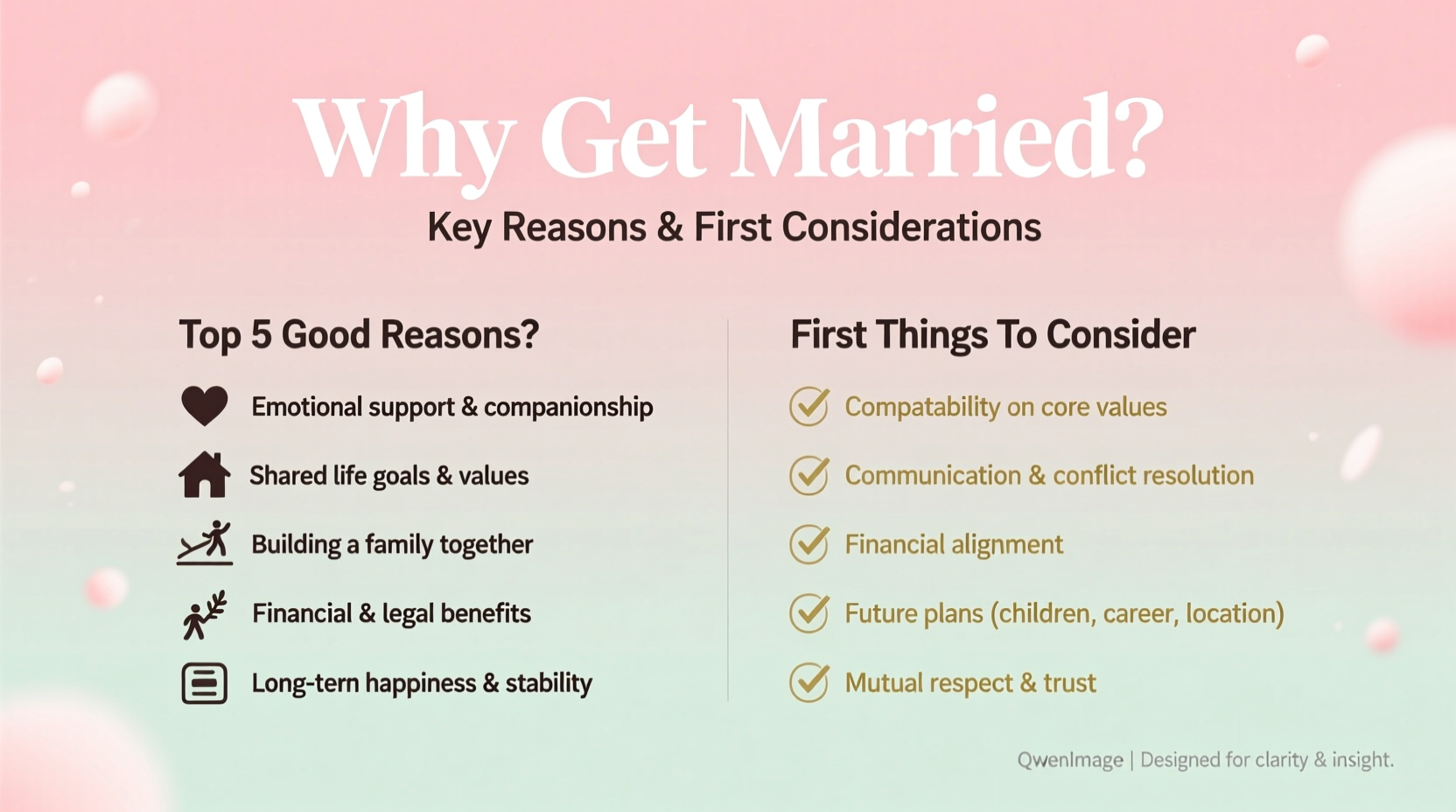
Marriage isn’t just a tradition—it can be a powerful expression of partnership when entered with intention. The best reasons go beyond romance and touch on stability, growth, and shared purpose.
- Emotional Security and Partnership: A committed marriage provides a consistent emotional anchor. Knowing you have someone who is legally and emotionally bound to support you through life’s challenges fosters deep psychological safety.
- Legal and Financial Benefits: Marriage grants access to tax advantages, inheritance rights, health insurance eligibility, and joint property ownership. These protections are not automatically available to unmarried couples.
- Shared Life Goals: When two people align on core values—such as family, career, lifestyle, or faith—marriage becomes a vehicle for achieving those goals together.
- Parenting Foundation: Many couples find that marriage creates a stable environment for raising children. It establishes clear roles, responsibilities, and long-term planning for child-rearing.
- Social and Community Recognition: Marriage often strengthens ties with extended family and communities, offering built-in support systems during milestones and hardships.
Key Considerations Before Getting Married
Entering marriage without thorough preparation increases the risk of conflict, mismatched expectations, and even separation. Thoughtful evaluation helps ensure compatibility and resilience over time.
1. Communication Style and Conflict Resolution
How you handle disagreements matters more than how often you disagree. Couples who can listen empathetically, express needs clearly, and compromise effectively tend to sustain healthier marriages.
2. Financial Compatibility
Money is a leading cause of marital stress. Discuss income, debt, spending habits, saving goals, and attitudes toward wealth early. Are you savers or spenders? Do you prefer joint or separate accounts?
3. Long-Term Life Vision
Do you both want children? If so, how many, and when? What about careers, relocation, retirement plans, or religious beliefs? Alignment here prevents resentment later.
4. Family Background and Expectations
Growing up in different family cultures shapes expectations about roles, holidays, parenting, and in-law relationships. Acknowledge these differences and discuss how you’ll navigate them.
5. Emotional Maturity and Independence
Healthy marriages thrive when both partners are emotionally self-aware and capable of maintaining individual identity within the relationship. Avoid marrying to “complete” yourself.
“Marriage doesn’t create maturity—it reveals it. The strongest unions are built by individuals who already know themselves.” — Dr. Lena Torres, Relationship Psychologist
Checklist: 7 Essential Steps Before Proposing or Saying Yes
- Have at least three in-depth conversations about money, children, and long-term goals.
- Review each other’s credit reports and disclose all debts or financial obligations.
- Discuss how household responsibilities will be divided (chores, bills, planning).
- Attend a premarital counseling session—even if you feel “fine” as a couple.
- Travel together for an extended period to test compatibility under stress.
- Meet each other’s families and observe how they interact with their own partners.
- Live together for at least six months to experience daily routines and habits.
Real-Life Example: Sarah and James’ Decision Timeline
Sarah and James dated for four years before getting engaged. After two years, they realized they disagreed on having children. Sarah wanted two kids; James wasn’t sure he wanted any. Instead of avoiding the topic, they sought a therapist. Over several months, they explored their fears, values, and visions. James realized his hesitation came from childhood experiences, not a firm stance. With clarity, they agreed to try marriage first and revisit the parenting question in two years. Their willingness to confront hard truths—and grow together—laid a strong foundation. They’ve now been married for five years, recently welcomed a daughter, and credit their early honesty with their ongoing harmony.
Do’s and Don’ts: Navigating the Decision to Marry
| Do | Don’t |
|---|---|
| Take time to date seriously and observe how your partner handles stress, conflict, and responsibility. | Rush into marriage due to pregnancy, family pressure, or fear of being alone. |
| Set shared goals and review progress annually (financial, relational, personal). | Assume your partner will change after marriage—especially core behaviors or values. |
| Build a friendship first. Trust and mutual respect matter more than constant passion. | Idealize marriage as a solution to loneliness or personal unhappiness. |
| Be honest about past relationships, trauma, or mental health struggles. | Hide important information hoping it won’t matter later. |
Frequently Asked Questions
Is it okay to marry someone with student debt?
Yes, but only if you both understand the burden and agree on a repayment strategy. Debt impacts financial freedom, vacations, home-buying, and retirement. Transparency is key.
Should we live together before marriage?
Research shows cohabitation can improve readiness for marriage by exposing everyday dynamics. However, avoid falling into a passive “sliding” pattern—make the decision intentionally, not out of convenience.
What if our families disapprove of the marriage?
Family concerns deserve attention, but shouldn’t override your judgment. Have open conversations with them, address valid points, but remember: you’re building your own life. Long-term compatibility matters more than short-term approval.
Conclusion: Making a Conscious Choice
Deciding to get married should be rooted in clarity, not obligation. The best marriages aren’t free of challenges—they’re built by partners who enter with eyes open, hearts honest, and a commitment to grow together. Whether you're considering engagement or supporting someone who is, take time to reflect, communicate, and prepare. Marriage can be one of life’s greatest rewards when chosen wisely.




 浙公网安备
33010002000092号
浙公网安备
33010002000092号 浙B2-20120091-4
Comments
No comments yet. Why don't you start the discussion?