
Blackhead extractions are a common step in both professional facials and at-home skincare routines. While many focus on tools and techniques, one critical detail is often overlooked: wearing gloves. Whether you're a licensed esthetician or treating your own skin, using gloves during extraction isn't just a suggestion—it's a necessity. The reasons go beyond basic cleanliness and touch on infection control, skin protection, and long-term skincare outcomes. Understanding why gloves matter can transform your approach to extractions and significantly reduce risks.
Hygiene and Infection Prevention
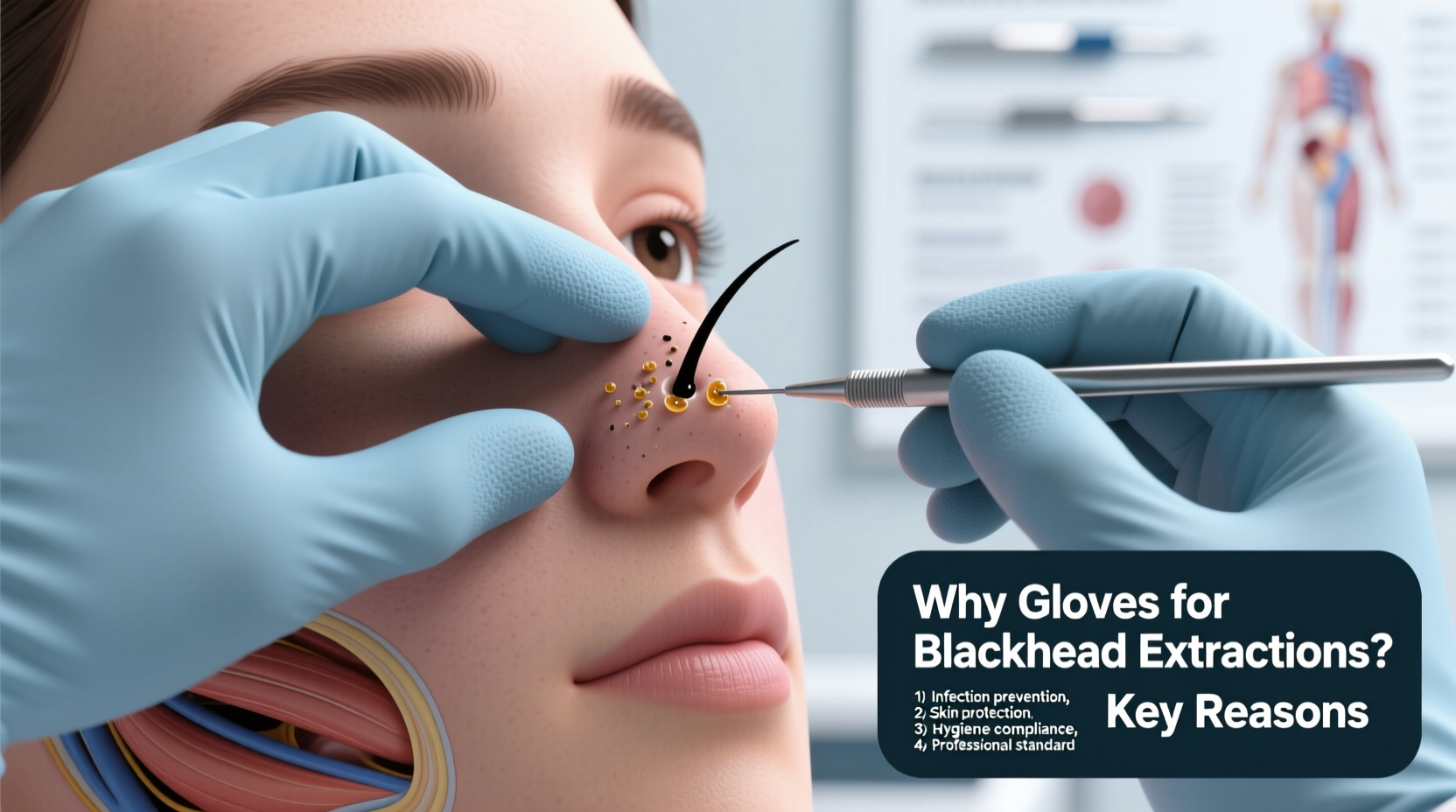
Skin is a living organ, constantly exposed to bacteria, oils, and environmental pollutants. When performing blackhead extractions, even minor pressure can create micro-abrasions—tiny openings in the skin that act as entry points for pathogens. Without gloves, fingers carry natural flora, dirt, and transient microbes directly into these compromised areas.
The most common bacteria found on hands include Staphylococcus aureus and Pseudomonas aeruginosa, both of which can lead to folliculitis, pustules, or deeper infections when introduced into open pores. Gloves serve as a physical barrier, preventing cross-contamination between the practitioner’s hands and the client’s skin.
Protecting Both Practitioner and Client
While much emphasis is placed on protecting the client, practitioners also face exposure risks. Skin conditions such as warts, molluscum contagiosum, or even undiagnosed herpes simplex can be transmitted through direct contact with lesions during extraction. Wearing gloves protects the person performing the treatment from accidental transmission.
This mutual protection aligns with universal precautions recommended by health authorities like the CDC and OSHA. In professional settings, glove use isn’t optional—it’s part of standard operating procedure. Skipping this step not only endangers health but may violate local salon regulations or licensing requirements.
“Gloves are non-negotiable in clinical skincare. They protect the integrity of the treatment and uphold ethical standards.” — Dr. Lena Patel, Board-Certified Dermatologist
Improved Grip and Precision
Beyond hygiene, gloves offer functional advantages. Clean fingertips can become slippery due to sebum, cleansing oils, or toners used before extraction. Nitrile gloves provide a slightly textured surface that improves grip, allowing for more controlled pressure application.
This enhanced tactile feedback helps prevent excessive force, reducing the risk of bruising, broken capillaries, or scarring. Skilled estheticians report greater confidence in their technique when wearing gloves because they can feel resistance and release more accurately than with bare, oil-coated fingers.
Step-by-Step Guide: Safe Blackhead Extraction with Gloves
Following a structured process ensures optimal results while minimizing damage. Here’s how to incorporate gloves effectively into your routine:
- Cleanse the face thoroughly with a gentle foaming cleanser to remove surface debris.
- Steam or apply warm compresses for 5–7 minutes to soften sebum and open pores.
- Wash and dry hands completely before putting on gloves to avoid trapping moisture inside.
- Put on disposable nitrile gloves, ensuring a snug fit without restricting circulation.
- Use gentle pressure around the blackhead with gloved fingertips or a comedone extractor tool.
- Disinfect the area post-extraction with a soothing toner containing witch hazel or niacinamide.
- Remove gloves carefully by peeling them inside out, then dispose of them immediately.
- Wash hands again after glove removal to eliminate any residual contaminants.
Common Misconceptions About Glove Use
Despite clear benefits, some still question the need for gloves, especially during self-extractions. Let’s address common myths:
- “My hands are clean, so gloves aren’t necessary.” Even freshly washed hands harbor bacteria. Soap removes visible dirt but doesn’t sterilize.
- “Gloves reduce sensitivity.” Modern nitrile gloves are thin enough to allow excellent tactile perception while still offering protection.
- “It’s just a quick pop—I’ll be fine.” Quick extractions often involve more force, increasing the chance of micro-tears where bacteria can enter.
Comparison: With vs. Without Gloves During Extraction
| Factor | With Gloves | Without Gloves |
|---|---|---|
| Infection Risk | Low – barrier prevents microbial transfer | High – direct hand-to-skin contact |
| Grip & Control | Enhanced – resists slippage from oils | Poor – fingers slick from sebum or products |
| Skin Trauma | Reduced – precise pressure application | Increased – higher likelihood of over-squeezing |
| Professional Standard | Required – meets industry hygiene codes | Non-compliant – violates best practices |
| Allergen Exposure | Controlled – especially with hypoallergenic nitrile | Risk of reaction to latex or chemicals on skin |
Real-World Example: A Cautionary Case
Jessica, a 28-year-old marketing executive, began doing weekly blackhead extractions at home after watching skincare tutorials online. She skipped gloves, believing her nightly hand wash was sufficient. After three months, she developed recurring red bumps along her nose and chin. A dermatologist diagnosed her with bacterial folliculitis linked to Staphylococcus overgrowth—likely introduced via contaminated fingers.
After switching to single-use nitrile gloves and antiseptic wipes, her breakouts subsided within weeks. “I never thought gloves made that much difference,” she said. “Now I wouldn’t dream of extracting without them.”
Checklist: Safe Extraction Protocol Using Gloves
Follow this checklist every time you perform extractions to maintain high standards of care:
- ✅ Wash hands with antibacterial soap before gloving
- ✅ Select medical-grade nitrile gloves (powder-free)
- ✅ Inspect gloves for tears or defects before use
- ✅ Apply steam or warm towel to open pores
- ✅ Perform extractions with light, circular pressure
- ✅ Discard gloves immediately after use
- ✅ Sanitize tools and work surface post-treatment
- ✅ Moisturize and apply sunscreen to treated areas
Frequently Asked Questions
Can I reuse gloves if I’m doing multiple extractions?
No. Disposable gloves are designed for single use. Reusing them compromises sterility and increases contamination risk, even if they appear intact.
Are latex gloves acceptable for extractions?
Latex gloves are not recommended. They pose allergy risks and are less durable than nitrile. Many salons have phased out latex entirely due to sensitization concerns.
What should I do if my skin becomes inflamed after extraction?
Mild redness is normal, but persistent swelling, pus, or pain indicates possible infection. Discontinue extractions and consult a dermatologist. Avoid touching the area with bare hands.
Final Thoughts: Elevating Your Skincare Practice
Wearing gloves during blackhead extractions is not an exaggerated precaution—it’s a foundational element of safe, responsible skincare. From blocking harmful bacteria to improving manual control, gloves enhance every aspect of the process. Whether you're a professional esthetician or someone committed to disciplined at-home care, adopting this simple habit reflects respect for skin health and personal accountability.
Skincare is both science and art. Just as a surgeon wouldn’t operate bare-handed, no one should manipulate delicate facial tissue without proper protection. Make gloves a non-negotiable part of your routine. Your skin—and future self—will thank you.




 浙公网安备
33010002000092号
浙公网安备
33010002000092号 浙B2-20120091-4
Comments
No comments yet. Why don't you start the discussion?