
Relationships are often seen as a natural progression in life, yet many men consistently step back when commitment is on the table. While every individual is different, patterns emerge when examining why so many men hesitate or outright avoid romantic partnerships. Understanding these behaviors isn’t about assigning blame—it’s about gaining insight into emotional dynamics, societal pressures, and personal history that shape how men engage with intimacy.
From fear of loss of freedom to unresolved trauma, the reasons men pull away are complex and deeply human. Recognizing these motivations can help partners, potential partners, and even the men themselves approach relationships with greater empathy and intention.
Fear of Losing Independence
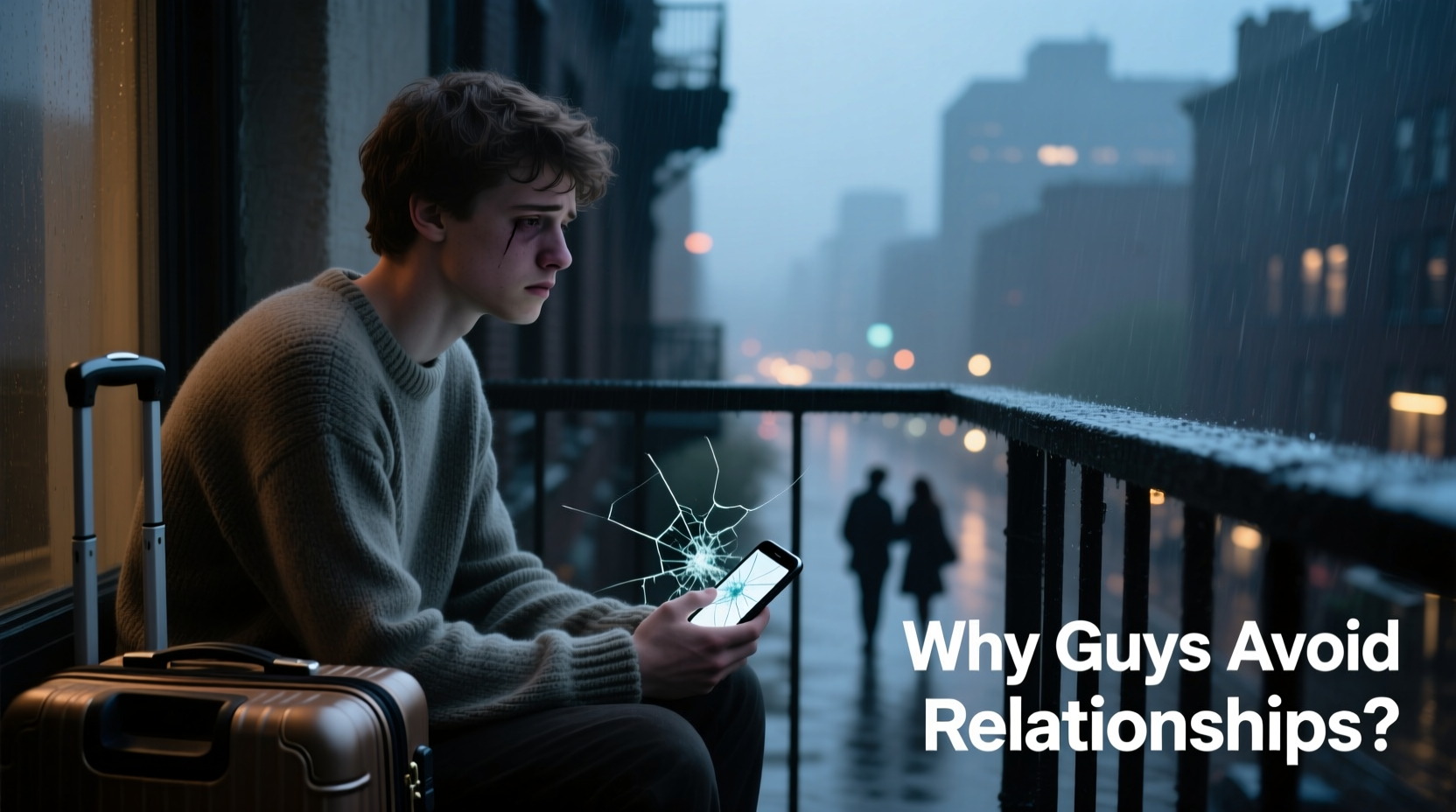
One of the most commonly cited reasons men avoid relationships is the perceived threat to their autonomy. Many associate committed relationships with restrictions—less time for hobbies, friends, or spontaneous decisions. This fear isn’t always irrational; some past experiences may have involved controlling partners or suffocating dynamics.
The idea of “giving up freedom” looms large, especially in cultures that equate masculinity with self-reliance and independence. A man might worry that entering a relationship means compromising his identity or having to constantly negotiate every choice.
Emotional Baggage and Past Trauma
Unresolved emotional wounds from previous relationships significantly influence current behavior. A painful breakup, betrayal, or long-term emotional neglect can leave deep imprints. Some men develop protective mechanisms—avoiding closeness altogether to prevent being hurt again.
Psychologist Dr. Jonathan Kim notes, “Men who’ve experienced emotional invalidation or abandonment early in life often struggle with vulnerability. They learn to equate emotional openness with risk, not connection.”
“Many men aren’t taught how to process emotions. When they get hurt, they don’t heal—they withdraw.” — Dr. Lena Patel, Clinical Psychologist
This avoidance isn’t necessarily conscious. It can manifest as ghosting, emotional distance, or repeatedly choosing unattainable partners—patterns that keep intimacy at arm’s length.
Societal Expectations and Masculinity Norms
Cultural conditioning plays a powerful role. From childhood, many men receive subtle (and not-so-subtle) messages: “Boys don’t cry,” “Be strong,” “Don’t be needy.” These norms discourage emotional expression and frame vulnerability as weakness.
In relationships, this translates into difficulty discussing feelings, avoiding conflict, or disengaging when things get emotionally intense. The pressure to be the provider, protector, or decision-maker can also make the idea of partnership feel like another responsibility rather than a source of joy.
Modern shifts toward egalitarian relationships challenge these outdated models, but change takes time. Men raised under traditional ideals may lack the tools to navigate equal, emotionally open partnerships.
Lack of Clarity About What They Want
Some men avoid relationships not because they’re opposed to love, but because they’re uncertain about their own needs. They may enjoy companionship but feel unclear about long-term goals, career direction, or personal values. Entering a serious relationship feels premature when they haven’t solidified their sense of self.
This ambiguity can lead to mixed signals—showing interest one day, pulling back the next. It’s not manipulation; it’s internal confusion playing out in relational behavior. Without self-awareness, men may cycle through short-term connections, hoping to find clarity without doing the inner work required.
Commitment Anxiety vs. Avoidant Attachment
While often used interchangeably, commitment anxiety and avoidant attachment are distinct—but related—concepts.
| Aspect | Commitment Anxiety | Avoidant Attachment |
|---|---|---|
| Root Cause | Fear of long-term obligations | Early childhood emotional neglect |
| Behavioral Signs | Hesitation to define relationship, delays in meeting family | Emotional distancing, discomfort with intimacy |
| Trigger | Progression milestones (e.g., moving in together) | Sustained emotional closeness |
| Potential Growth Path | Therapy, open communication | Attachment-focused counseling, self-reflection |
Understanding the difference helps both individuals and couples respond appropriately. Someone with commitment anxiety may benefit from reassurance and gradual steps, while someone with avoidant tendencies may need deeper therapeutic support to rewire relational patterns.
Mini Case Study: Mark’s Pattern of Pulling Away
Mark, 32, found himself repeatedly attracted to women who wanted serious relationships. He enjoyed the early stages—dates, laughter, connection—but once things started feeling “real,” he’d create distance. He’d cancel plans, become preoccupied with work, or focus on minor flaws in his partner.
After several failed attempts, he sought therapy. Through sessions, he realized his father had been emotionally absent, and his parents’ volatile marriage taught him that closeness leads to pain. His avoidance wasn’t about the women he dated—it was a survival mechanism formed in childhood.
With awareness and consistent effort, Mark began building healthier habits: journaling his fears, practicing emotional honesty, and choosing partners aligned with his growth. He didn’t “fix” overnight, but he stopped repeating the same cycle.
What It Means When a Guy Avoids Relationships
When a man avoids relationships, it rarely means he’s incapable of love. More often, it reflects one or more of the following:
- He’s protecting himself from anticipated pain or disappointment.
- He lacks the emotional tools to handle intimacy and conflict.
- He’s prioritizing other life areas—career, healing, personal development.
- He doesn’t see you as a long-term fit, even if he enjoys your company.
- He’s afraid of failing at something culturally expected of him.
It’s crucial not to take this personally. A man’s reluctance to commit is usually less about his partner and more about his internal world. That doesn’t mean staying in limbo is healthy—but it does mean responding with understanding rather than resentment.
Actionable Checklist: Navigating Relationship Avoidance
If you’re involved with or interested in a man who seems hesitant about relationships, consider this checklist:
- Observe consistency in words and actions—does he show up reliably?
- Communicate your needs clearly without pressuring him.
- Avoid chasing or over-accommodating to win affection.
- Encourage open conversations about fears and expectations.
- Respect boundaries while maintaining your own.
- Assess whether his pace aligns with your emotional timeline.
- Encourage professional support if patterns persist.
Frequently Asked Questions
Does avoiding relationships mean he’s not interested in me?
Not necessarily. He may be genuinely fond of you but held back by internal barriers. Interest doesn’t always translate to readiness. Evaluate whether his actions match his words over time.
Can a guy who avoids relationships ever change?
Yes, but only if he wants to. Change requires self-awareness, willingness to confront discomfort, and often professional guidance. You can support, but you cannot force transformation.
Is it worth waiting for a man who’s not ready for a relationship?
Only if you’re truly okay with no guarantees and are living your life fully regardless. Waiting shouldn’t come at the cost of your growth, peace, or happiness. Set timelines and check in with yourself regularly.
Conclusion: Moving Forward with Clarity and Compassion
Men avoid relationships for reasons rooted in experience, emotion, and culture—not because they’re inherently unfeeling or indifferent. Recognizing the complexity behind withdrawal allows for more compassionate, informed choices in dating and connection.
If you're navigating this dynamic, remember: your need for closeness is valid. So is someone else’s need for space. The key is alignment. Don’t mold yourself into someone’s temporary comfort zone. Seek partners who meet you halfway—not just in affection, but in courage.




 浙公网安备
33010002000092号
浙公网安备
33010002000092号 浙B2-20120091-4
Comments
No comments yet. Why don't you start the discussion?