
Dancing has long been a universal form of expression, celebration, and connection. Beyond its cultural and artistic significance, dancing is increasingly recognized as a powerful tool for enhancing health. From improving cardiovascular fitness to boosting emotional resilience, the act of moving rhythmically to music engages the body and mind in ways few other activities can match. Unlike traditional workouts that may feel repetitive or isolating, dancing offers joy, creativity, and social engagement—making it a uniquely sustainable form of exercise.
Modern research continues to validate what many dancers have intuitively known: movement with intention and rhythm supports holistic wellness. Whether it's ballroom, hip-hop, salsa, or freestyle at home, dancing delivers measurable improvements across physical, cognitive, and psychological domains. This article explores the science-backed benefits of dancing and how integrating it into daily life can lead to lasting health gains.
Physical Health Benefits of Dancing
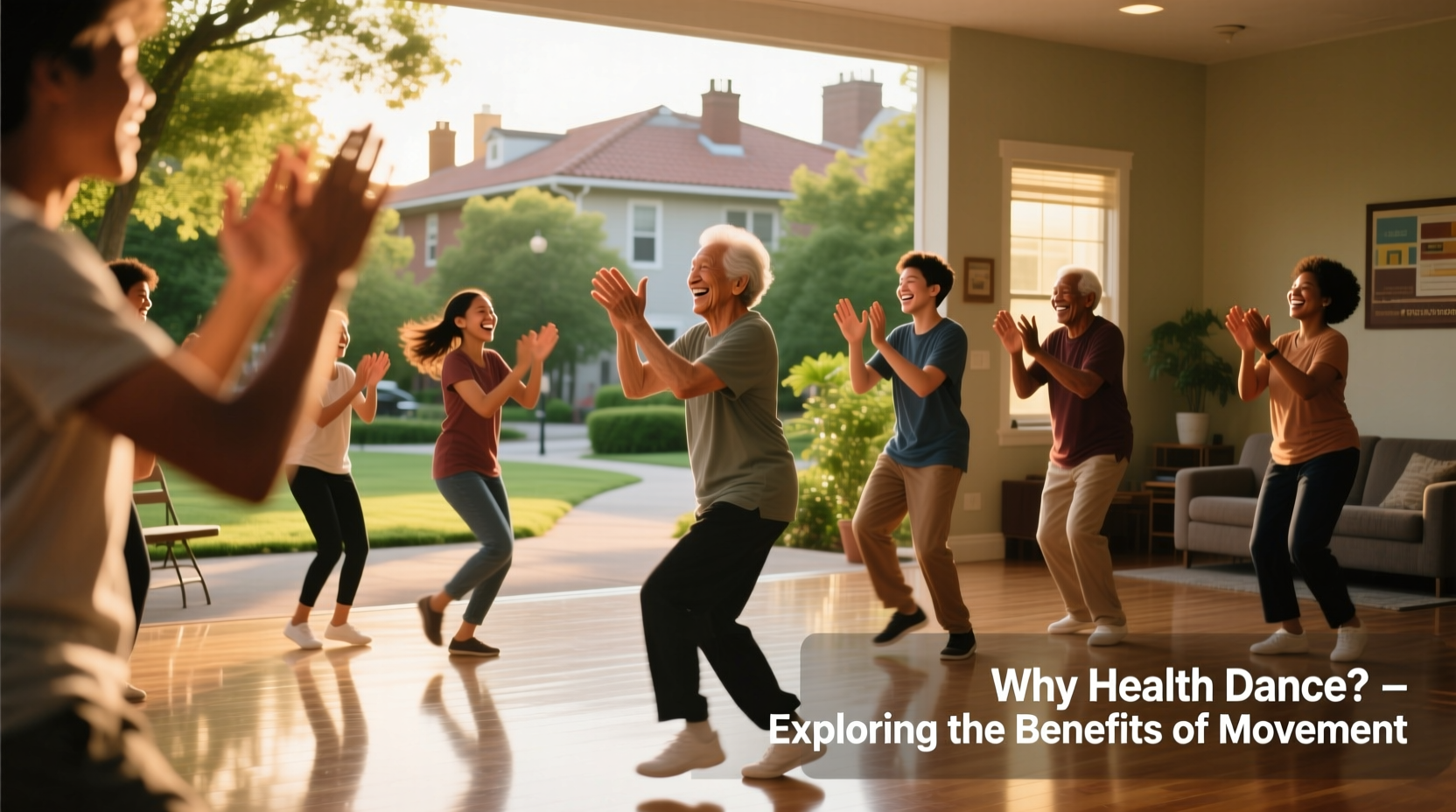
Dancing is a full-body workout disguised as fun. It elevates heart rate, builds muscular strength, enhances coordination, and improves flexibility—all while feeling less like exercise and more like play. Depending on intensity and style, a 30-minute dance session can burn between 150 and 300 calories, comparable to brisk walking or cycling.
Regular participation in dance significantly improves cardiovascular endurance. A study published in the Journal of Physiological Anthropology found that middle-aged adults who engaged in weekly ballroom dancing showed improved VO2 max levels—indicating better oxygen utilization by the heart and lungs—after just six months.
Beyond cardio, dancing strengthens core muscles, legs, and glutes while promoting joint mobility. Its dynamic movements challenge balance and proprioception (awareness of body position), which are critical for injury prevention, especially as we age. Older adults who participate in dance programs report fewer falls and greater confidence in daily mobility.
Mental and Cognitive Advantages
The brain receives an exceptional workout during dance. Learning choreography, responding to musical cues, and coordinating movements activate multiple regions simultaneously—engaging memory, attention, spatial awareness, and decision-making.
Neurological studies using fMRI scans show increased activity in the prefrontal cortex and hippocampus during dance, areas associated with executive function and memory consolidation. This dual demand of physical movement and cognitive processing makes dance particularly effective in slowing age-related cognitive decline.
“Dance is one of the most complex human behaviors we can study—it integrates sensory input, motor output, and emotional regulation in real time.” — Dr. Sarah Kretch, Cognitive Neuroscientist, University of California
A landmark study from the Albert Einstein College of Medicine revealed that among various physical activities, only dancing was associated with a 76% reduced risk of dementia in seniors. The researchers attributed this protective effect to the constant need for improvisation and adaptation inherent in dance.
Dance and Emotional Well-Being
Emotionally, dancing serves as both release and reinforcement. The rhythmic motion combined with music triggers the release of endorphins, dopamine, and serotonin—neurochemicals linked to pleasure, motivation, and mood stabilization. For individuals dealing with stress, anxiety, or depression, dance provides a non-verbal outlet for emotional expression.
Group dance settings amplify these benefits through social bonding. Shared rhythm fosters synchrony and trust among participants, reducing feelings of isolation. In therapeutic contexts, Dance Movement Therapy (DMT) is used to help trauma survivors reconnect with their bodies and regulate emotions.
Even solo dancing—like moving freely to music at home—can elevate mood and reduce cortisol levels. The absence of performance pressure allows personal exploration and emotional catharsis without judgment.
Types of Dance and Their Unique Health Impacts
Not all dances offer identical benefits. Different styles emphasize distinct physical and mental demands. Choosing the right type depends on individual goals, fitness levels, and preferences.
| Dance Style | Primary Health Benefit | Ideal For |
|---|---|---|
| Ballet | Posture, flexibility, core strength | Balance training, youth development |
| Salsa/Merengue | Cardiovascular endurance, agility | Social engagement, aerobic conditioning |
| Hip-Hop | Muscular power, coordination | Youth fitness, high-energy workouts |
| Tai Chi-inspired Dance | Stress reduction, joint mobility | Seniors, rehabilitation |
| Freestyle/Improvisational | Creativity, emotional release | Mental health support, self-expression |
Step-by-Step Guide to Starting a Dance Routine
Beginning a dance practice doesn’t require prior experience or expensive classes. With a structured approach, anyone can build a sustainable habit that supports long-term health.
- Assess Your Goals: Determine whether you’re seeking fitness, stress relief, social connection, or skill development.
- Choose a Style: Match your goal with a suitable dance form (refer to the table above).
- Start Small: Begin with 10–15 minutes, 2–3 times per week. Use online tutorials or apps designed for beginners.
- Create a Safe Space: Clear enough room to move freely. Wear supportive footwear or go barefoot on a non-slip surface.
- Warm Up and Cool Down: Include gentle stretches before and after to prevent injury.
- Track Progress: Note changes in energy, mood, or stamina weekly to stay motivated.
- Incorporate Social Elements: Join local community classes or virtual groups when ready.
Real-Life Impact: A Mini Case Study
Lena, a 52-year-old office worker from Portland, struggled with chronic lower back pain and rising stress levels due to sedentary work. After her doctor recommended low-impact movement, she joined a weekly Argentine tango class targeted at adults over 50. Within three months, Lena reported not only reduced back discomfort but also improved sleep and greater confidence in social situations.
“I wasn’t expecting to make friends,” she said. “But dancing taught me to listen with my body, not just my ears. I feel more present now—at work, at home, everywhere.”
Her experience reflects broader trends: dance improves functional movement, reduces perceived pain, and enhances quality of life, especially when practiced consistently in a supportive environment.
Common Myths About Dance and Health
- Myth: You need natural talent to benefit from dancing.
Reality: Enjoyment and consistency matter far more than skill level. - Myth: Dance is only for young or fit people.
Reality: Adaptive dance programs exist for all ages and abilities, including chair-based routines. - Myth: You must attend formal classes.
Reality: Home-based dancing—even for five minutes—still counts and contributes to health gains.
Frequently Asked Questions
Can dancing help with weight loss?
Yes. When performed regularly and at moderate to high intensity, dancing creates a calorie deficit that supports weight management. Styles like Zumba, hip-hop, and aerobic dance are particularly effective for sustained fat burning.
Is dancing safe for people with joint issues?
Most forms can be modified. Low-impact styles such as ballroom, folk dance, or water-based dance minimize strain. Always consult a healthcare provider before starting, and consider working with a certified instructor familiar with adaptive techniques.
How often should I dance for optimal health benefits?
The World Health Organization recommends at least 150 minutes of moderate-intensity aerobic activity per week. Dancing three to five times weekly for 30 minutes meets this guideline while offering additional cognitive and emotional rewards.
Checklist: Building a Sustainable Dance Practice
- ☐ Identify your primary health goal (fitness, mood, socialization)
- ☐ Select a dance style aligned with your goal and ability
- ☐ Schedule sessions in your calendar (start with 2–3 per week)
- ☐ Prepare a distraction-free space with adequate room to move
- ☐ Use playlists that energize or calm, depending on your intent
- ☐ Warm up with light stretching and cool down afterward
- ☐ Track how you feel physically and emotionally after each session
- ☐ Explore group options when comfortable to enhance motivation
Conclusion: Move More, Live Better
Dancing transcends mere physical activity—it’s a celebration of what the body can do and how the mind can heal through rhythm and motion. Its accessibility, adaptability, and profound impact on holistic health make it one of the most underutilized yet powerful wellness tools available.
No matter your age, fitness level, or background, there’s a way for you to dance safely and joyfully. The key is to begin without perfectionism and continue with curiosity. Let music guide your steps, let movement quiet your thoughts, and let rhythm reconnect you to the vitality within.




 浙公网安备
33010002000092号
浙公网安备
33010002000092号 浙B2-20120091-4
Comments
No comments yet. Why don't you start the discussion?