
In cities across the world, homelessness remains a visible and pressing issue. It's easy to walk past someone sleeping on a sidewalk or holding a sign asking for help and feel overwhelmed, detached, or uncertain about what can be done. But behind every person experiencing homelessness is a story—one that often includes trauma, economic hardship, mental health challenges, or systemic failure. Choosing to help is not merely an act of charity; it is a step toward building safer, healthier, and more resilient communities. When we support those without stable housing, we don’t just change individual lives—we improve society as a whole.
The Human Cost of Inaction
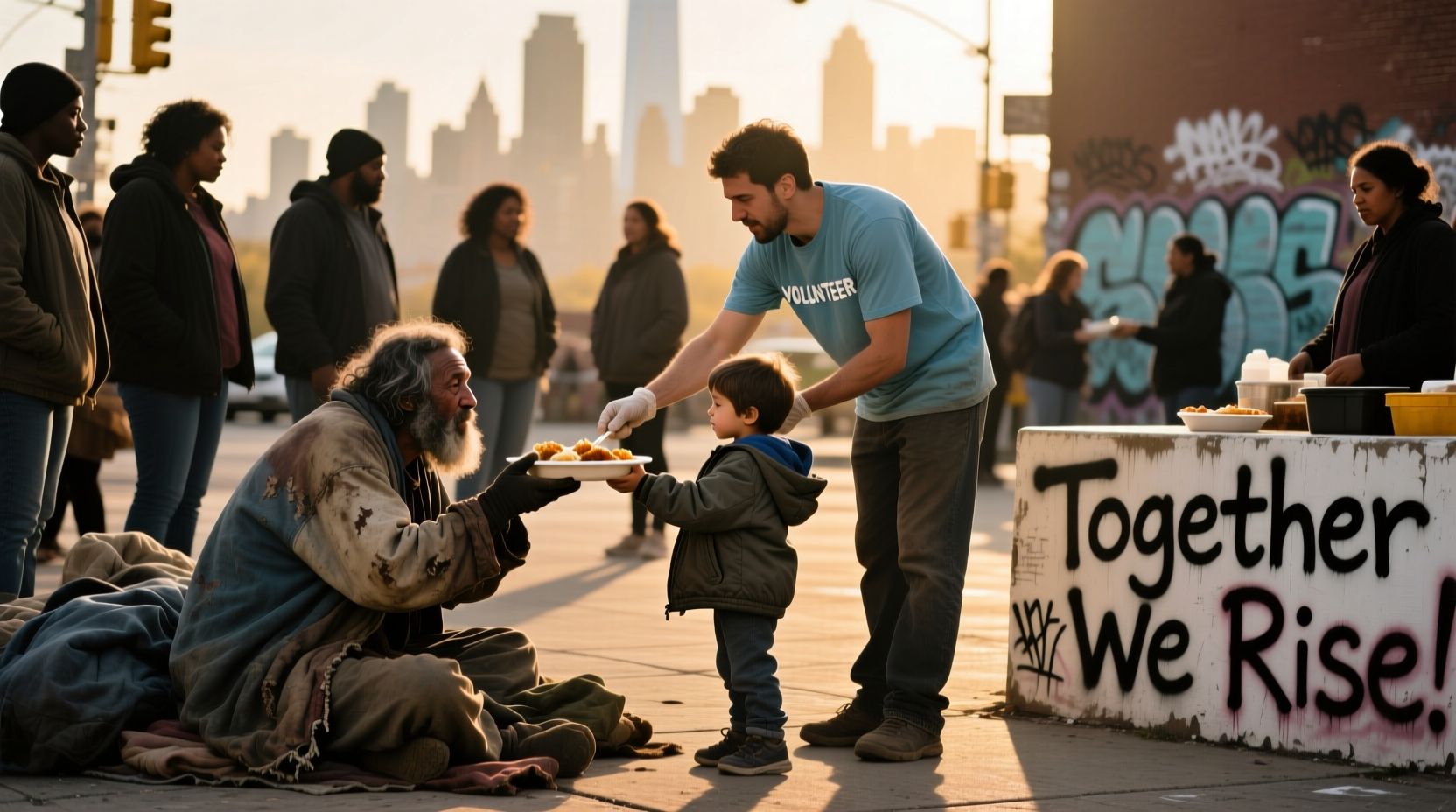
Leaving homelessness unaddressed carries profound human and societal costs. People without homes face higher risks of chronic illness, violence, substance use disorders, and premature death. The average life expectancy for someone experiencing long-term homelessness is between 45 and 50 years—nearly half that of the general population.
But the impact extends beyond the individual. Unsheltered homelessness strains emergency services, increases public health risks, and contributes to cycles of poverty that persist across generations. Emergency rooms become de facto clinics for preventable conditions, law enforcement spends disproportionate time on non-criminal survival behaviors (like sleeping in public), and communities lose trust in shared spaces when basic needs go unmet.
“Homelessness isn’t a personal failure—it’s a systems failure. And like any system failure, it requires collective repair.” — Dr. Margot Kushel, Director of the Benioff Homelessness and Housing Initiative, UCSF
Economic Benefits of Supportive Housing
One of the most compelling arguments for helping the homeless lies in economics. Contrary to the belief that aiding unhoused populations is costly, evidence shows that providing permanent supportive housing actually saves money in the long run.
A landmark study by the University of California, Los Angeles (UCLA) found that placing chronically homeless individuals into permanent supportive housing reduced public spending by up to $20,000 per person annually. These savings come from decreased usage of emergency medical services, psychiatric hospitals, jails, and shelters.
| Service Used | Average Annual Cost (Unhoused) | Average Annual Cost (Housed with Support) |
|---|---|---|
| Emergency Medical Care | $37,650 | $12,450 |
| Jail Incarceration | $48,000 | $8,200 |
| Shelter & Outreach Programs | $15,300 | $10,900 |
| Total Estimated Cost | $100,950 | $31,550 |
This data illustrates a clear truth: investing in housing and wraparound services is far more cost-effective than managing crisis after crisis.
Strengthening Community Health and Safety
Helping the homeless directly improves public health and safety. When people have access to hygiene facilities, medical care, and stable shelter, the spread of infectious diseases—including tuberculosis, hepatitis A, and skin infections—declines significantly.
Moreover, communities that adopt \"Housing First\" models report reductions in petty crime and public disturbances. This approach prioritizes getting people into housing immediately, without preconditions like sobriety or employment. Once housed, individuals are more likely to engage with counseling, job training, and addiction treatment programs.
A real-world example comes from Salt Lake City, which reduced chronic homelessness by 91% between 2005 and 2015 through aggressive implementation of Housing First. Crime rates in downtown areas dropped, business owners reported improved foot traffic, and social service agencies saw higher engagement rates.
Mini Case Study: The Path of Maria
Maria, a 52-year-old woman in Portland, lived in her car for over three years after losing her job during the pandemic. She struggled with diabetes and had no access to refrigeration for her insulin. Outreach workers connected her with a subsidized apartment and a case manager who helped her enroll in Medicaid and apply for disability benefits.
Within six months, Maria stabilized her health, began volunteering at a community kitchen, and eventually secured part-time work. Her story reflects a broader trend: once basic needs are met, many formerly homeless individuals regain independence and contribute positively to their communities.
Breaking the Cycle: Prevention Over Crisis Management
Preventing homelessness before it starts is one of the most effective strategies available. Eviction prevention programs, rental assistance, and legal aid for tenants facing displacement can stop homelessness before it begins.
Cities like Minneapolis and Seattle have implemented rapid rehousing programs that provide short-term financial aid and case management. These interventions help families stay in their homes or quickly return to housing after a crisis. Studies show that for every dollar spent on eviction prevention, $2.50 is saved in future shelter and emergency service costs.
Step-by-Step Guide: How Communities Can Act
- Assess Local Needs: Partner with nonprofits and city planners to identify gaps in housing, healthcare, and outreach.
- Expand Affordable Housing Stock: Advocate for zoning reforms and public-private partnerships to build more low-income units.
- Fund Outreach Teams: Deploy mobile health and social work units to connect with unsheltered individuals.
- Implement Housing First Policies: Remove barriers to housing access for those with mental illness or substance use histories.
- Support Employment Programs: Offer job training, resume workshops, and transportation vouchers to promote self-sufficiency.
Common Misconceptions About Helping the Homeless
- Misconception: “Giving money encourages dependency.”
Reality: Most direct cash assistance programs tied to housing show improved outcomes and lower relapse rates into homelessness.
- Misconception: “They should just get a job.”
Reality: Without an address, phone, or clean clothing, securing employment is extremely difficult. Stability often precedes work.
- Misconception: “We don’t have enough resources.”
Reality: Redirecting existing public spending—from jails and ERs to housing—can free up significant funding.
FAQ
Does helping the homeless really make a difference?
Yes. Research consistently shows that permanent supportive housing leads to high retention rates (over 85%) and dramatic improvements in health, safety, and well-being. Individuals are more likely to remain housed and reduce reliance on emergency services.
Can one person really help?
Absolutely. Volunteering at shelters, donating to effective organizations, advocating for policy changes, or even showing kindness to someone on the street can have ripple effects. Collective action begins with individual choices.
Isn’t homelessness just a result of poor personal decisions?
While personal circumstances play a role, structural factors—such as lack of affordable housing, stagnant wages, domestic violence, and inadequate mental health care—are primary drivers. Over 50% of homeless individuals cite housing costs as the main reason for their situation.
Checklist: What You Can Do Today
- ✔ Donate to local shelters or housing-first organizations
- ✔ Contact your city councilor to support affordable housing projects
- ✔ Volunteer at a food pantry or outreach program
- ✔ Educate others using facts and empathy, not stereotypes
- ✔ Support businesses that hire formerly homeless individuals
Conclusion: A Shared Responsibility, A Shared Benefit
Helping the homeless is not an act of pity—it is an investment in humanity, dignity, and community resilience. When we ensure everyone has a safe place to sleep, access to healthcare, and opportunities to rebuild their lives, we create a society that works better for everyone. Reduced strain on public services, stronger neighborhoods, and restored hope are not abstract ideals—they are measurable outcomes of compassionate action.




 浙公网安备
33010002000092号
浙公网安备
33010002000092号 浙B2-20120091-4
Comments
No comments yet. Why don't you start the discussion?