
The entertainment landscape has undergone a seismic shift over the past decade. What was once dominated by studios, networks, and A-list celebrities is now shared—often uneasily—with independent content creators on platforms like YouTube. While Hollywood still commands massive budgets and global premieres, YouTube creators have built loyal audiences through authenticity, accessibility, and algorithmic visibility. This power shift has sparked tension, confusion, and outright conflict between two worlds that increasingly see each other as competitors rather than collaborators.
The friction isn’t just about money or influence—it’s cultural, structural, and creative. As more YouTubers transition into mainstream media and Hollywood talent ventures onto digital platforms, the lines blur. Yet, beneath the surface, deep divisions remain in how value is defined, how stories are told, and who gets to tell them.
The Rise of the Creator Economy
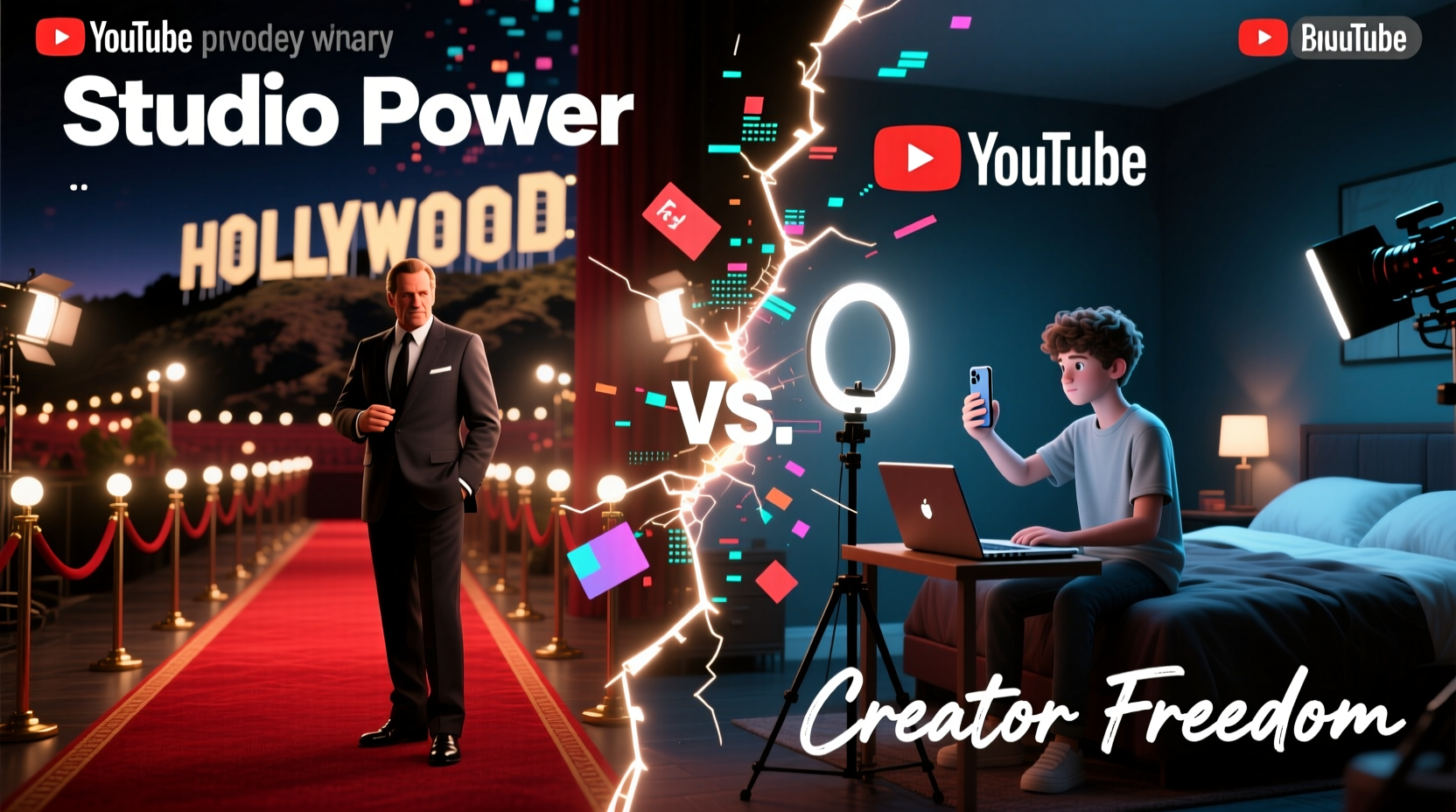
YouTube launched in 2005, but it wasn’t until the early 2010s that individual creators began amassing followings rivaling traditional TV audiences. Figures like PewDiePie, Lilly Singh, and MrBeast didn’t rise through casting calls or agents—they grew through consistency, community engagement, and an intuitive understanding of platform algorithms.
This grassroots growth model disrupted the gatekeeping role Hollywood had long played. Suddenly, a teenager with a camera and Wi-Fi could reach millions without studio approval, union affiliation, or even formal training. The result? A parallel entertainment ecosystem emerged—one where virality often outweighed pedigree, and relatability trumped glamour.
Cultural Misalignment: Craft vs. Algorithm
Hollywood operates on a craft-based hierarchy. Writers spend years honing screenplays, directors undergo rigorous training, and actors audition repeatedly before landing roles. Success is measured in awards, critical acclaim, and box office numbers. In contrast, YouTube success is often determined by metrics: watch time, click-through rate, subscriber growth.
This fundamental difference in evaluation creates tension. When traditional creatives enter YouTube, they may struggle with the pace, tone, and feedback loops of the platform. Conversely, when YouTubers enter Hollywood, their work is sometimes dismissed as “low-effort” or “unrefined,” despite proven audience-building skills.
As filmmaker Ava DuVernay noted:
“Talent exists everywhere, but opportunity doesn’t. The internet changed that equation—and not everyone in power likes the new math.” — Ava DuVernay, Director & Producer
Power Struggles Behind the Scenes
The clash extends beyond aesthetics—it’s also economic. As studios face declining cable subscriptions and theater attendance, they’ve scrambled to adapt. Many have acquired digital-first companies (like Disney’s purchase of Maker Studios) or launched competing platforms (e.g., Peacock, Paramount+).
Yet these efforts often misunderstand what makes YouTube successful. Corporate-backed channels frequently fail because they replicate TV logic—high production values, scripted formats, delayed releases—without embracing the interactive, iterative nature of online content.
Meanwhile, top YouTubers maintain full creative control and monetize directly through ads, sponsorships, and merchandise. They answer to algorithms and audiences—not executives. This autonomy threatens traditional power structures.
Key Differences in Creative Control
| Aspect | Hollywood | YouTube Creators |
|---|---|---|
| Creative Direction | Studio-led, committee-driven | Creator-led, audience-informed |
| Release Schedule | Seasonal, event-based | Weekly or algorithm-optimized |
| Revenue Model | Box office, syndication, licensing | AdSense, sponsors, memberships |
| Audience Feedback Loop | Delayed (reviews, ratings) | Immediate (comments, retention graphs) |
| Entry Barrier | High (agents, auditions, unions) | Low (device + internet) |
Case Study: The Shane Dawson Controversy
In 2020, YouTuber Shane Dawson, once celebrated for his storytelling and documentaries, faced widespread backlash over past controversial content. His partnership with Universal for a horror film series was quietly dropped. Meanwhile, established Hollywood figures with similar or worse histories remained largely unscathed.
This moment highlighted a double standard: digital creators are held to immediate, unforgiving public accountability, while traditional celebrities often benefit from institutional protection, PR teams, and slower news cycles. It also revealed Hollywood’s hesitation to fully embrace YouTubers—even when they deliver results.
Dawson’s fall wasn’t just personal; it symbolized the precarious position of creators navigating a system that profits from their influence but denies them legitimacy.
When Worlds Collide: Collaborations and Crossovers
Despite tensions, collaboration is increasing. Ryan Reynolds starred in a MrBeast video, blurring promotional lines while earning genuine engagement. Scarlett Johansson appeared on Jacksepticeye’s channel to promote a Marvel film, engaging fans in a format they trust.
These moments suggest a path forward: mutual respect. Hollywood brings narrative depth, production resources, and global reach. YouTubers bring agility, direct audience relationships, and digital fluency. When combined thoughtfully, the results can be powerful.
But true integration requires more than cameos. It demands rethinking development pipelines, revenue sharing, and credit attribution. For example, many creators report being asked to “make a YouTube version” of a movie trailer—without compensation or creative input.
Step-by-Step Guide to Bridging the Divide
- Listen First: Study successful creator-led content before proposing collaborations.
- Compensate Fairly: Offer equitable pay, especially for intellectual contribution.
- Respect Creative Autonomy: Allow creators to maintain their voice and format.
- Co-Develop Projects: Involve creators from concept to release, not just promotion.
- Measure Beyond Views: Value engagement, sentiment, and community impact.
What the Future Holds
The divide won’t vanish overnight. But signs point toward convergence. TikTok stars are headlining films. Netflix produces YouTube-style reaction shows. Guilds like SAG-AFTRA are updating rules to include digital creators.
Ultimately, the conflict isn’t really about YouTube versus Hollywood—it’s about control in a democratized media era. The institutions that adapt will thrive. Those that resist risk irrelevance.
Checklist: Building Respectful Creator Partnerships
- Research the creator’s audience and content style
- Offer fair usage rights and residuals
- Include creators in creative decisions
- Avoid tokenism or performative inclusion
- Provide clear contracts and timely payments
- Support cross-promotion without demanding exclusivity
Frequently Asked Questions
Why do Hollywood studios undervalue YouTubers?
Many in traditional entertainment equate production scale with quality and overlook the strategic skill behind viral content. There's also discomfort with decentralized influence—when anyone can build an audience, legacy gatekeepers lose leverage.
Can YouTubers succeed in Hollywood without losing their identity?
Yes, but it requires careful navigation. Creators like Bo Burnham and Hannah Hart have transitioned successfully by retaining creative control and blending their digital sensibilities with cinematic storytelling.
Is the clash purely generational?
Not entirely. While age plays a role, the deeper divide is philosophical: one side values prestige and tradition, the other values access and iteration. The most forward-thinking players in both camps recognize that融合 (fusion) beats fragmentation.
Conclusion: Toward a Shared Future
The Hollywood-YouTube clash reflects a broader transformation in how stories are made and consumed. Rather than seeing this as a zero-sum battle, the industry should view it as an evolution—an opportunity to expand who gets heard and how narratives are shaped.
Creators bring innovation, intimacy, and immediacy. Hollywood brings resources, craftsmanship, and global infrastructure. Together, they could redefine entertainment for a new century—if they choose collaboration over competition.




 浙公网安备
33010002000092号
浙公网安备
33010002000092号 浙B2-20120091-4
Comments
No comments yet. Why don't you start the discussion?