
Writing a personal statement for nursing school is more than just fulfilling an application requirement—it’s an opportunity to communicate your passion, purpose, and preparedness for one of the most demanding yet rewarding careers in healthcare. The “Why I Want to Be a Nurse” essay stands at the heart of this process. Admissions committees use it to assess not only your writing ability but also your motivation, self-awareness, and alignment with the values of the nursing profession. A well-crafted essay can set you apart from other qualified applicants by revealing the story behind your decision to pursue nursing.
Understand What the Essay Is Really Asking
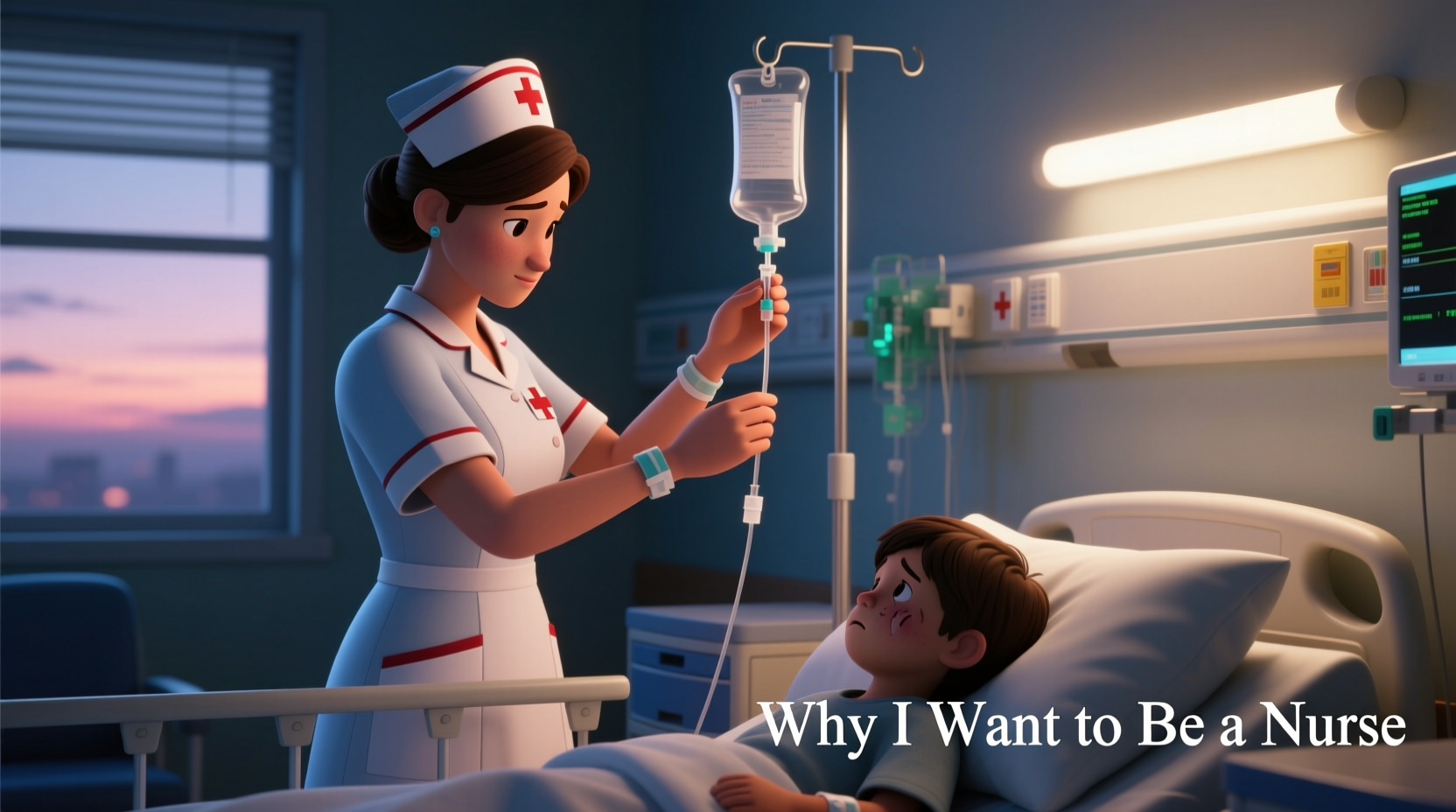
The prompt may seem straightforward, but it's deceptively deep. It's not enough to say, “I’ve always wanted to help people.” That response is common and lacks specificity. Instead, admissions officers are looking for evidence of thoughtful reflection: What experiences shaped your interest? How have you tested your commitment? What do you understand about the realities of nursing work?
Your answer should demonstrate emotional intelligence, resilience, and a realistic view of the profession. Avoid clichés like “nursing runs in my family” or “I’m a natural caregiver” unless you can back them up with meaningful stories that show growth, challenge, and insight.
Key Elements of a Strong Nursing Personal Statement
A powerful essay balances emotion with professionalism. It tells a story while also proving competence and readiness. Here are the essential components to include:
- Personal Motivation: Share a defining moment or series of events that sparked your interest in nursing.
- Relevant Experience: Clinical exposure (e.g., volunteering, shadowing, CNA work), caregiving roles, or significant life events that gave you insight into patient care.
- Understanding of the Profession: Show awareness of what nurses actually do—the challenges, responsibilities, and ethical dimensions.
- Career Goals: Briefly mention where you see yourself in nursing (e.g., pediatrics, critical care, public health) and why.
- Alignment with Program Values: Research the school and subtly reflect its mission, whether it emphasizes community service, innovation, or holistic care.
“We don’t just admit students with good grades—we look for those who have experienced healthcare from a human perspective and can articulate how that shaped their desire to serve.” — Dr. Linda Ruiz, Director of Nursing Admissions, University of Michigan
Step-by-Step Guide to Writing Your Essay
Follow this structured approach to develop a compelling narrative from start to finish:
- Reflect deeply. Set aside time to journal about pivotal moments related to health, illness, caregiving, or medical settings. Ask yourself: When did I first feel drawn to nursing? What scared me? What inspired me?
- Gather anecdotes. Identify 1–2 specific experiences—such as comforting a relative during treatment or assisting a nurse during volunteer work—that illustrate your motivation.
- Draft a working thesis. Summarize your core reason for becoming a nurse in one sentence. Example: “My decision to become a nurse grew out of watching my grandmother receive compassionate end-of-life care during her battle with cancer.”
- Structure your essay. Use a clear arc: introduction with hook, body paragraphs detailing experiences and insights, and a conclusion reinforcing commitment.
- Edit ruthlessly. Trim vague language, eliminate redundancy, and ensure every sentence serves a purpose. Read it aloud to catch awkward phrasing.
- Get feedback. Have mentors, professors, or practicing nurses review your draft. They can spot gaps in authenticity or clinical understanding.
Do’s and Don’ts: Common Pitfalls to Avoid
| Do | Don’t |
|---|---|
| Tell a unique, personal story with emotional honesty | Use generic phrases like “I love helping people” without context |
| Show humility and willingness to learn | Pretend you already know everything about being a nurse |
| Mention specific skills or traits developed through experience | Focus solely on wanting job security or flexible hours |
| Demonstrate empathy and patient-centered thinking | Make the essay about your own heroism or achievements |
| Proofread carefully and follow word limits | Submit a draft with typos or overused quotes (e.g., Florence Nightingale) |
Real Example: From Ordinary Moment to Powerful Narrative
Consider Maria, a pre-nursing student applying to BSN programs. Her initial draft read: “I want to be a nurse because I care about people and want to make a difference.” After reflection, she revised her essay around a single hospital visit:
“When I sat beside my younger brother in the pediatric ICU after his asthma attack, I didn’t just see monitors and tubes—I saw fear in his eyes. The night nurse noticed it too. Without rushing, she dimmed the lights, knelt to his eye level, and said, ‘You’re safe now. I’m here all night.’ That small act stayed with me. In that moment, I realized nursing isn’t just about medication administration or vitals—it’s about presence. Since then, I’ve volunteered in two hospitals, completed a certified nursing assistant course, and worked weekends at a long-term care facility. Each shift reminds me of that nurse’s quiet strength—and reinforces my determination to provide that same assurance to others.”
This version transforms a general sentiment into a credible, memorable journey grounded in observation and experience.
Checklist: Before You Submit
- ✅ Does my opening grab attention with a concrete image or moment?
- ✅ Have I included at least one detailed personal experience?
- ✅ Do I show—not just tell—my qualities (e.g., compassion, resilience)?
- ✅ Have I avoided clichés and overly dramatic language?
- ✅ Does the conclusion reinforce my motivation and future goals?
- ✅ Is the tone professional yet authentic, not robotic or exaggerated?
- ✅ Have I checked grammar, spelling, and adherence to word count?
- ✅ Did someone else read and give honest feedback?
Frequently Asked Questions
Can I talk about personal illness or loss in my essay?
Yes, if it directly influenced your decision to pursue nursing and you handle the topic with maturity. Focus on how the experience expanded your understanding of patient needs, rather than dwelling on grief. Avoid overly emotional descriptions or implying you’re entering nursing solely to heal personal trauma.
Should I mention specialties or long-term goals?
Briefly mentioning an area of interest—like emergency nursing, maternal health, or mental health—can strengthen your essay by showing direction. However, avoid sounding rigid; emphasize curiosity and openness to learning across fields during training.
How long should the essay be?
Most programs request 500–1000 words. Always follow the specific guidelines provided. If no limit is given, aim for 650–800 words—enough to develop ideas fully without losing focus.
Final Thoughts: Let Your Voice Shine
Your “Why I Want to Be a Nurse” essay is not a test of poetic language or medical knowledge. It’s an invitation to share who you are and why you believe nursing is your calling. Authenticity matters more than perfection. The best essays don’t try to impress—they resonate because they feel true.
Admissions committees read thousands of applications. What lingers in their memory is sincerity, clarity of purpose, and the sense that a candidate has genuinely considered the weight and honor of wearing the scrubs. If your essay reflects thoughtful preparation, real-world exposure, and heartfelt intent, it will stand out.




 浙公网安备
33010002000092号
浙公网安备
33010002000092号 浙B2-20120091-4
Comments
No comments yet. Why don't you start the discussion?