
You pick up your phone to see an incoming call from a toll-free number—no area code, no local prefix, just digits starting with 800, 833, 844, or another familiar toll-free prefix. Unlike unknown local numbers, these don’t immediately scream “scam,” but they still raise questions. Why would a business or organization use a toll-free line to reach you? Are they legitimate? Could this be part of a growing trend in robocalls and phishing attempts?
Toll-free numbers were originally designed to allow customers to contact businesses without incurring charges. Today, however, they’re increasingly used *by* companies—and scammers—to initiate outbound calls. Understanding why you're receiving these calls, who might be on the other end, and how to respond can help protect your privacy, time, and personal information.
What Are Toll-Free Numbers and How Are They Used?
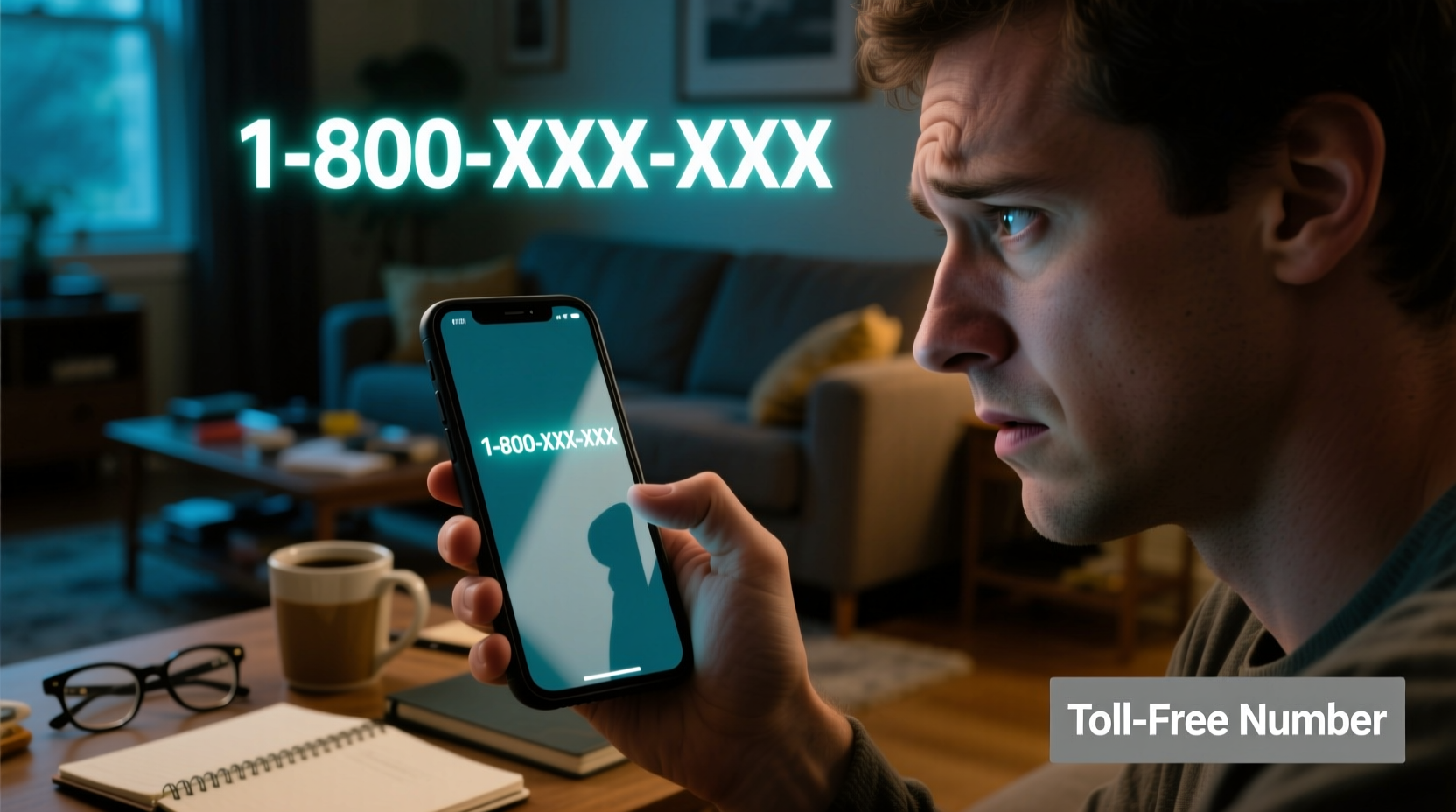
Toll-free numbers in the United States typically begin with prefixes such as 800, 833, 844, 855, 866, 877, or 888. These numbers are paid for by the recipient of the call rather than the caller, making them ideal for customer service lines, sales departments, and support centers.
Legitimate businesses use toll-free lines to appear more accessible and professional. For example:
- A national bank may offer an 800 number for account inquiries.
- An e-commerce company might list an 888 number for returns and shipping updates.
- A nonprofit organization could use an 877 number during fundraising campaigns.
However, the same accessibility that makes toll-free numbers valuable also makes them attractive to bad actors. Spoofing technology allows scammers to mask their real location and display a legitimate-looking toll-free number on your caller ID—even if they’re operating overseas.
Common Reasons You’re Receiving Toll-Free Calls
Not all toll-free calls are scams. Here are some of the most common and legitimate reasons you might receive one:
- Customer Service Follow-Ups: If you recently made a purchase, scheduled a service, or contacted a company, they may call back using their official toll-free line to confirm details or resolve issues.
- Appointment Reminders: Healthcare providers, dental offices, and auto repair shops often use automated systems to send reminders via toll-free numbers.
- Warranty or Subscription Renewals: Companies may notify you about expiring warranties, subscription renewals, or membership benefits.
- Delivery Notifications: Carriers like FedEx, UPS, and Amazon sometimes use toll-free lines to alert customers about shipment delays or delivery attempts.
On the flip side, here are red flags indicating potential fraud:
- Threats of legal action or arrest unless you pay immediately.
- Requests for payment via gift cards, wire transfers, or cryptocurrency.
- Urgent demands for Social Security numbers, banking details, or passwords.
- Caller claims to represent government agencies (IRS, Social Security Administration) using a toll-free number to demand money.
How Scammers Exploit Toll-Free Numbers
Cybercriminals have adapted their tactics to exploit trust in toll-free lines. By spoofing well-known business numbers or registering disposable toll-free lines through VoIP services, they create a veneer of legitimacy.
One method involves setting up fake call centers that mimic real companies. For instance, a scammer might register an 844 number and claim to be from “Microsoft Support,” warning you about a virus on your computer. Because Microsoft does have legitimate support lines, the ruse can seem credible.
“Scammers know people trust toll-free numbers more than random cell numbers. That psychological edge makes spoofed 800 lines especially dangerous.” — Lisa Tran, Senior Fraud Analyst at CyberShield Inc.
In 2023, the Federal Trade Commission (FTC) reported over 3.8 million fraud complaints involving impersonation scams, many of which originated from spoofed toll-free numbers. The FCC has since tightened rules around number provisioning, but enforcement remains challenging due to international operations and rapidly evolving tech.
Step-by-Step: What to Do When a Toll-Free Number Calls
If you receive an unsolicited call from a toll-free number, follow this sequence to stay protected:
- Don’t Answer Immediately: Let unknown calls go to voicemail. Legitimate organizations will leave a message with verifiable contact information.
- Verify the Caller: If a message is left, look up the company’s official website and call them back using the number listed there—not the one left in the voicemail.
- Never Share Sensitive Data: Do not provide Social Security numbers, credit card details, or login credentials over the phone unless you initiated the call and confirmed the recipient.
- Check for Spoofing Signs: Use reverse lookup tools like Truecaller or the FTC’s complaint database to see if others have reported the number.
- Report Suspicious Calls: File a report with the FTC at reportfraud.ftc.gov and notify the FCC via their online portal.
Do’s and Don’ts of Handling Unknown Toll-Free Calls
| Do’s | Don’ts |
|---|---|
| Let unfamiliar calls go to voicemail | Press buttons to speak to a representative (this confirms your number is active) |
| Look up the company’s official contact info independently | Provide personal or financial information during an inbound call |
| Use built-in spam filters or third-party apps to block repeat offenders | Call back a suspicious number directly without verification |
| Report fraud attempts to the FTC and FCC | Engage with aggressive or threatening callers |
Real Example: A Close Call with a Fake Tech Support Scam
Mark, a retiree in Arizona, received a call from 844-555-0198 claiming to be from “Apple Security.” The automated message said his iPhone had been sending malware and needed immediate attention. It instructed him to visit a website and download a remote access tool.
Skeptical but concerned, Mark hung up and searched the number online. He found multiple reports on the FTC’s website linking the same number to a tech support scam operation based in India. He reported the incident and later learned his phone number was likely pulled from a publicly available directory.
This case illustrates how convincing modern spoofing can be—and why independent verification is critical.
Frequently Asked Questions
Can toll-free numbers be spoofed?
Yes. Caller ID spoofing allows scammers to display any number, including legitimate toll-free ones, even if they don’t own or control them. This is why visual identification alone isn’t enough to determine legitimacy.
Are all automated calls from toll-free numbers scams?
No. Many reputable companies use automated dialing systems for appointment reminders, shipping updates, and billing notifications. However, if the message creates urgency or requests sensitive data, treat it as suspicious.
How can I stop receiving unwanted toll-free calls?
Register your number with the National Do Not Call Registry at donotcall.gov. Additionally, enable call-blocking features on your device or through your mobile carrier. While this won’t eliminate all spam, it significantly reduces volume.
Protect Yourself Proactively
The rise of AI-driven voice synthesis and sophisticated spoofing tools means even the most cautious individuals can be targeted. Staying informed is your best defense. Treat every unsolicited call—regardless of whether it appears to come from a trusted toll-free number—with healthy skepticism.
Review your phone settings regularly, update blocking lists, and educate family members, especially older adults who may be more vulnerable to impersonation scams. Awareness, combined with simple verification habits, drastically reduces your risk.




 浙公网安备
33010002000092号
浙公网安备
33010002000092号 浙B2-20120091-4
Comments
No comments yet. Why don't you start the discussion?