
Abalone, a delicacy prized across Asia, North America, and Europe, consistently ranks among the most expensive seafood items on the market. Whether served in high-end restaurants or sold fresh at specialty fish markets, its price often exceeds that of caviar or lobster. But what makes this mollusk so costly? The answer lies in a complex interplay of biology, environmental regulation, labor intensity, and global demand. Understanding the true cost of abalone requires looking beyond the price tag and into the fragile ecosystems and rigorous processes that bring it to your plate.
Biological Rarity and Slow Growth
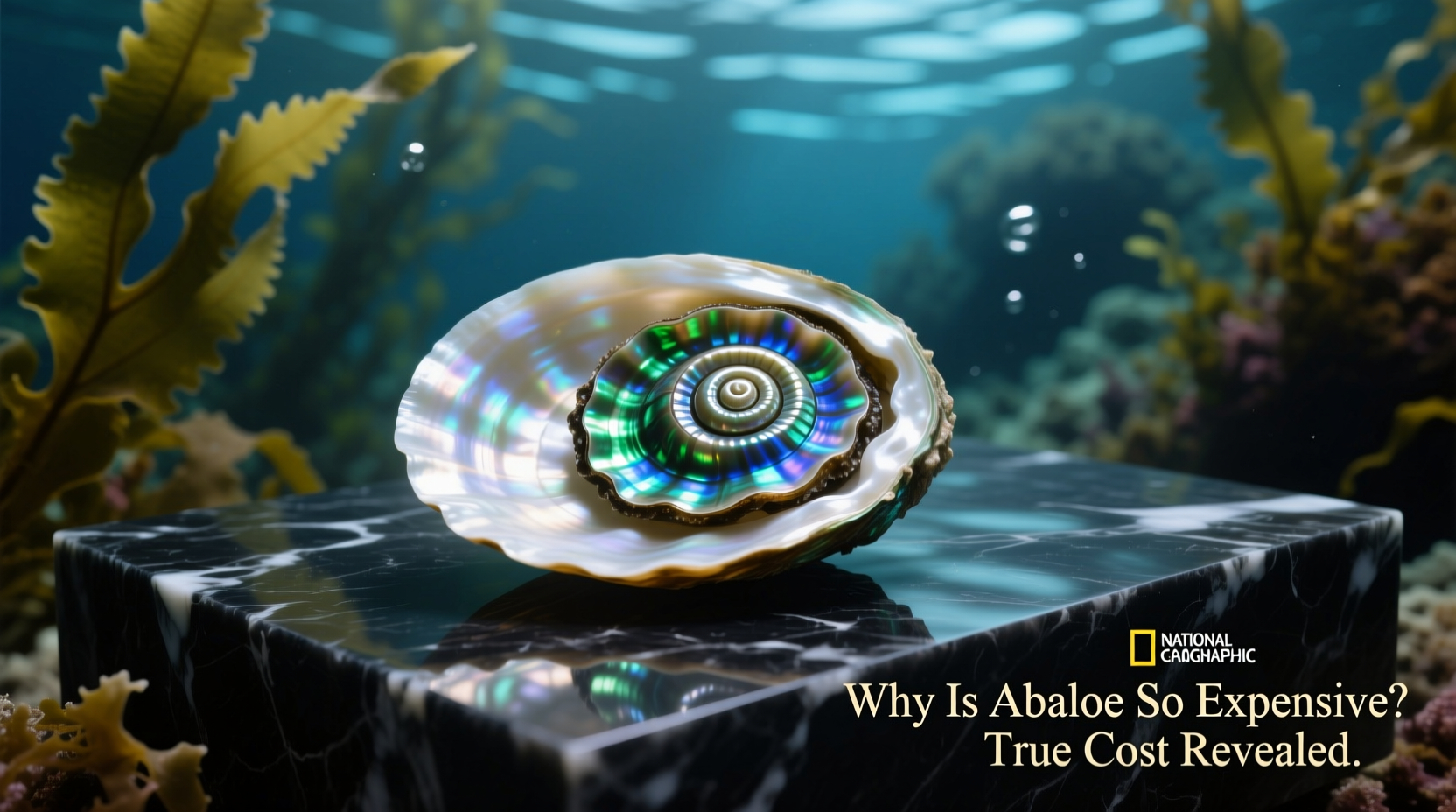
Abalone are marine snails found along rocky coastlines, primarily in cold, oxygen-rich waters. Unlike fast-growing species such as tilapia or shrimp, abalone grow extremely slowly. It takes 4 to 7 years for a farmed abalone to reach market size—typically around 7 to 8 inches in shell length. Wild abalone grow even slower due to limited food availability and natural predation.
Their slow maturation means low reproductive turnover. Female abalone release millions of eggs annually, but only a tiny fraction survive to adulthood due to ocean currents, predators, and environmental conditions. This biological inefficiency inherently limits supply, making large-scale production difficult and time-intensive.
Overfishing and Regulatory Restrictions
Historically, wild abalone populations were heavily exploited, particularly in South Africa, California, and Australia. By the late 20th century, rampant poaching and commercial overharvesting had decimated natural stocks. In response, governments imposed strict bans and seasonal closures.
For example, California has banned recreational and commercial abalone fishing since 2018 due to a dramatic population collapse linked to warming oceans and sea urchin overgrazing. Similarly, South Africa enforces tight quotas and employs armed patrols to deter illegal harvesting. These restrictions protect ecosystems but drastically reduce legal supply, driving prices upward.
“Abalone fisheries collapsed not because of lack of demand, but because we underestimated how vulnerable these animals are to overexploitation.” — Dr. Lena Torres, Marine Biologist, University of Cape Town
Farming Challenges and High Operational Costs
With wild harvests restricted, aquaculture has become the primary source of abalone. However, farming them is far from simple. Abalone require highly controlled environments with precise water temperature, salinity, and flow rates. They are sensitive to disease and stress, requiring constant monitoring.
They feed primarily on specific types of seaweed or specially formulated pellets, which must be grown or imported at significant cost. Labor is another major expense—farm workers manually clean tanks, inspect each animal, and manage breeding cycles. Unlike automated fish farms, abalone operations remain largely hands-on.
Moreover, startup costs for abalone farms are steep. Establishing land-based recirculating aquaculture systems (RAS) can cost millions of dollars. Even sea-based farms require secure cages, permits, and ongoing maintenance. These capital and operational demands are passed on to consumers.
Cost Breakdown of Abalone Farming (Per Kilogram)
| Expense Category | Average Cost (USD) | Notes |
|---|---|---|
| Feed (kelp & pellets) | $8–$12 | High-quality diet essential for growth |
| Labor | $15–$20 | Daily monitoring and tank maintenance |
| Facility & Equipment | $10–$14 | Depreciation and energy costs |
| Water Management | $5–$7 | Filtration, heating, oxygenation |
| Total Production Cost | $38–$53/kg | Retail price often doubles this |
Global Demand and Cultural Significance
Abalone’s high price is also fueled by intense global demand, especially in Chinese cuisine, where it is considered a symbol of prosperity and status. Dried abalone, used in banquets and holiday meals, can sell for hundreds of dollars per pound. Fresh abalone is featured in luxury hotels and fine dining establishments across Hong Kong, Singapore, and Tokyo.
This cultural premium elevates abalone beyond mere sustenance—it becomes a culinary trophy. Auctions for premium specimens sometimes exceed $100 per individual. The scarcity-driven prestige further inflates value, creating a feedback loop where rarity increases desirability, which in turn drives up prices.
In contrast, Western markets are only beginning to appreciate abalone, often encountering it as canned or frozen product. Yet even there, chefs seeking sustainable luxury ingredients are turning to farmed abalone, adding to demand pressure.
Mini Case Study: The Hong Kong Banquet Effect
In 2022, a wedding banquet in Kowloon booked 20 kilograms of dried South African abalone at approximately $600 per kilogram. The couple viewed it as a non-negotiable centerpiece—a display of respect and affluence. Suppliers reported selling out months in advance, with black-market alternatives surfacing due to shortages. This event exemplifies how cultural expectations can distort supply chains and amplify prices, even when ecological constraints limit availability.
Sustainability and the True Cost of Consumption
The true cost of abalone extends beyond dollars. Environmental degradation, habitat loss, and climate change all impact abalone viability. Ocean acidification weakens their calcium carbonate shells, while rising sea temperatures disrupt spawning cycles.
Poaching remains a critical issue. In South Africa, organized crime syndicates target protected reserves, smuggling abalone to Asia via complex networks. This illegal trade not only undermines conservation efforts but also endangers local communities and marine rangers.
Consumers play a role in shaping the future of abalone. Choosing certified sustainable sources—such as those labeled by the Aquaculture Stewardship Council (ASC)—helps support ethical farming and reduces pressure on wild populations.
Checklist: How to Make Ethical Abalone Choices
- ✅ Verify if the abalone is farmed or legally wild-harvested
- ✅ Check for sustainability certifications (ASC, BAP)
- ✅ Avoid products from regions with known poaching issues (e.g., unlicensed South African exports)
- ✅ Ask suppliers about traceability and farming practices
- ✅ Consider portion size—abalone is meant to be savored, not overconsumed
FAQ
Why is dried abalone more expensive than fresh?
Dried abalone undergoes a lengthy preservation process that concentrates flavor and texture, making it ideal for slow-cooked dishes. It also keeps indefinitely, allowing long-term storage and investment-like holding. Due to cultural demand and processing labor, dried forms often command triple the price of fresh.
Can abalone be farmed sustainably?
Yes, several farms in New Zealand, China, and Mexico have achieved sustainable certification through closed-loop systems, renewable energy use, and responsible feed sourcing. However, scalability remains a challenge due to high costs and technical complexity.
Is abalone farming profitable?
Profitability is narrow and long-term. Most farms operate on thin margins during the first 5–7 years before reaching harvest. Success depends on consistent market access, low mortality rates, and premium pricing—factors that are difficult to control.
Conclusion
The high price of abalone is not arbitrary—it reflects real biological constraints, environmental stewardship, labor investment, and cultural value. Every dollar spent accounts for years of careful cultivation, regulatory compliance, and ecological balance. As consumers, understanding this true cost empowers us to make informed, ethical choices that support both luxury and sustainability.
Appreciating abalone isn’t just about indulgence; it’s about respecting the delicate balance between nature and nourishment. The next time you see it on a menu or in a market, consider the journey it took to get there—and whether your choice contributes to a future where abalone thrives, not just survives.




 浙公网安备
33010002000092号
浙公网安备
33010002000092号 浙B2-20120091-4
Comments
No comments yet. Why don't you start the discussion?