
Abortion stands as one of the most polarizing social and political issues of the modern era. It divides communities, influences elections, and shapes public policy across nations. At its core, the debate centers on fundamental questions about life, autonomy, morality, and the role of government in personal decisions. Despite decades of legal rulings, medical advances, and shifting public opinion, consensus remains elusive. Understanding why abortion is so contentious requires examining historical context, ethical frameworks, scientific developments, and the lived realities of individuals affected by these laws and beliefs.
The Moral and Ethical Foundations of the Debate
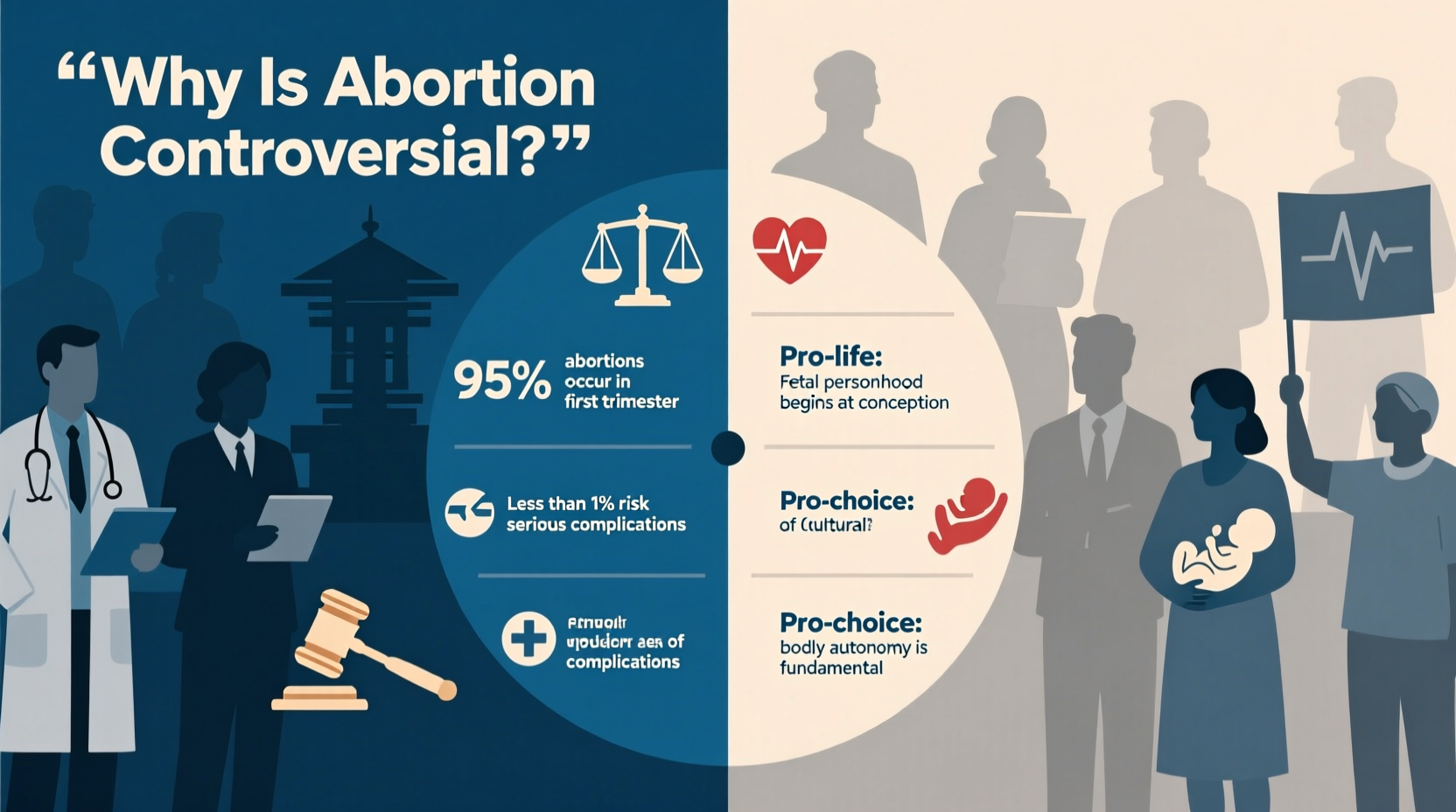
The abortion debate often hinges on two competing moral principles: the right to bodily autonomy and the belief in the sanctity of life from conception. Pro-choice advocates emphasize a woman’s right to make decisions about her own body, particularly in matters of reproduction. They argue that forcing someone to carry an unwanted pregnancy infringes on personal liberty and can lead to serious physical, emotional, and economic consequences.
Conversely, pro-life supporters maintain that human life begins at conception and that abortion constitutes the taking of an innocent life. From this perspective, the rights of the fetus outweigh the mother’s choice, especially as medical technology allows for earlier detection of fetal development and viability outside the womb.
“Ethically, we must weigh the dignity of potential human life against the autonomy and well-being of the person carrying the pregnancy. There is no easy answer, but dismissing either side risks oversimplifying profound moral questions.” — Dr. Lena Patel, Bioethicist at Georgetown University
Legal Landscape and Key Historical Milestones
Legal status of abortion varies widely around the world, reflecting cultural, religious, and political differences. In the United States, the 1973 Supreme Court decision in Roe v. Wade established a constitutional right to abortion based on privacy rights under the Fourteenth Amendment. This ruling allowed abortions during the first two trimesters and placed increasing restrictions in the third.
However, in 2022, the Supreme Court overturned Roe v. Wade in Dobbs v. Jackson Women’s Health Organization, returning the authority to regulate abortion to individual states. This landmark shift triggered immediate changes: some states enacted near-total bans, while others strengthened protections for abortion access.
| Country/Region | Abortion Access | Restrictions |
|---|---|---|
| Canada | Legal without restriction up to 20 weeks | No legal gestational limit federally, but rare after second trimester |
| United States (post-Dobbs) | Varies by state | 14 states ban most abortions; others allow up to 20–24 weeks |
| Poland | Highly restricted | Only permitted in cases of rape, fetal abnormalities, or threat to mother’s life |
| New Zealand | Legal up to 20 weeks | After 20 weeks, requires approval from a health practitioner |
| Ireland | Legal up to 12 weeks | Extended access in cases of fatal fetal abnormality or risk to life/health |
Medical Facts and Reproductive Health Realities
Understanding the science behind fetal development and abortion procedures helps clarify misconceptions. Most abortions occur early in pregnancy—about 90% within the first 13 weeks. The most common methods include medication abortion (using mifepristone and misoprostol) and aspiration procedures, both of which are safe and effective when performed by trained professionals.
Fetal viability—the point at which a fetus can survive outside the womb—is generally considered around 24 weeks, though outcomes vary significantly based on medical resources and neonatal care. Advances in neonatology have pushed this boundary slightly earlier in some cases, fueling debates over gestational limits.
It's also important to note that unintended pregnancies remain common. According to the CDC, nearly half of all pregnancies in the U.S. are unintended, underscoring the importance of access to contraception, sex education, and reproductive healthcare as preventive measures.
Common Myths vs. Medical Reality
- Myth: Abortion is dangerous.
Fact: Legal abortion is one of the safest medical procedures, with a complication rate under 1%. - Myth: Abortion causes mental health disorders.
Fact: Major medical organizations, including the American Psychological Association, find no causal link between abortion and long-term mental illness. - Myth: Most women regret having an abortion.
Fact: Studies show over 95% of women report feeling relief and believe it was the right decision for them.
Socioeconomic and Global Implications
Access to safe abortion is not just a legal or moral issue—it’s a matter of public health and equity. Where abortion is restricted, unsafe procedures rise. The World Health Organization estimates that 25 million unsafe abortions occur annually worldwide, primarily in developing regions, resulting in approximately 25,000 preventable deaths each year.
Low-income women, young people, and those in rural areas are disproportionately affected by restrictive laws. Without access to safe services, they may resort to unregulated medications, self-induced methods, or travel long distances at great personal cost.
“When abortion is criminalized, it doesn’t stop abortions—it stops safe abortions.” — Dr. Leila Hernandez, Global Health Researcher, WHO Collaborator
Mini Case Study: Maria’s Story
Maria, a 22-year-old student in Texas, discovered she was pregnant during her final semester. With limited financial support and no nearby clinic due to state restrictions, she spent over $1,200 and three weeks traveling to New Mexico for a procedure. She missed exams, fell behind in coursework, and faced stigma from family members who disapproved. Her experience highlights how legal barriers compound personal challenges, turning a private medical decision into a logistical and emotional ordeal.
Bridging Perspectives: A Checklist for Constructive Dialogue
Polarization often prevents meaningful conversation. However, recognizing shared values—such as concern for women’s health, respect for life, and support for families—can create space for empathy. Consider the following checklist when engaging in discussions about abortion:
- Listen without interrupting—seek to understand before being understood.
- Acknowledge complexity—avoid reducing the issue to slogans or stereotypes.
- Respect personal experiences—many people have had abortions or know someone who has.
- Cite reliable sources—use data from medical institutions like the CDC, WHO, or Guttmacher Institute.
- Support comprehensive solutions—advocate for better sex education, affordable contraception, and maternal healthcare alongside abortion access.
Frequently Asked Questions
Is abortion legal everywhere?
No. While many countries permit abortion under certain conditions, 20 nations ban it entirely except to save the mother’s life. Laws vary significantly by region and are subject to change based on political and judicial developments.
Does religion determine one’s stance on abortion?
Religion often influences views, but not uniformly. While some faiths oppose abortion categorically, others allow it in specific circumstances. For example, Reform Judaism supports reproductive choice, and many Protestant denominations hold diverse positions. Even within Catholicism, surveys show a gap between official doctrine and lay believers’ opinions.
What impact does banning abortion have on birth rates?
Research indicates that abortion bans do not necessarily lead to significant increases in live births. A 2023 study published in The Lancet found that in states with strict abortion laws, many individuals travel out of state or use telemedicine to obtain care, limiting the intended effect of restrictions.
Conclusion: Moving Forward with Empathy and Evidence
The contention surrounding abortion stems from deeply held beliefs about life, freedom, and justice. While resolution may seem distant, progress lies in grounding discourse in compassion, scientific accuracy, and respect for individual dignity. Policymakers, healthcare providers, and citizens alike must work toward systems that reduce unintended pregnancies, expand access to care, and honor the complexity of human lives.




 浙公网安备
33010002000092号
浙公网安备
33010002000092号 浙B2-20120091-4
Comments
No comments yet. Why don't you start the discussion?