
Magnetic Resonance Imaging (MRI) is one of the most powerful diagnostic tools in modern medicine. It provides detailed images of soft tissues, organs, and internal structures without using ionizing radiation. However, for many patients, the experience is unsettling—not because of the procedure itself, but due to the intense, rhythmic noise that fills the scanning room. If you’ve ever undergone an MRI, you’re likely familiar with the loud knocking, buzzing, and clanging that seems to come from all directions. But what exactly causes this noise? And more importantly, is it safe? Understanding the physics behind the sound can help demystify the process and reduce anxiety for future scans.
The Science Behind MRI Noise: Magnetic Fields and Moving Parts
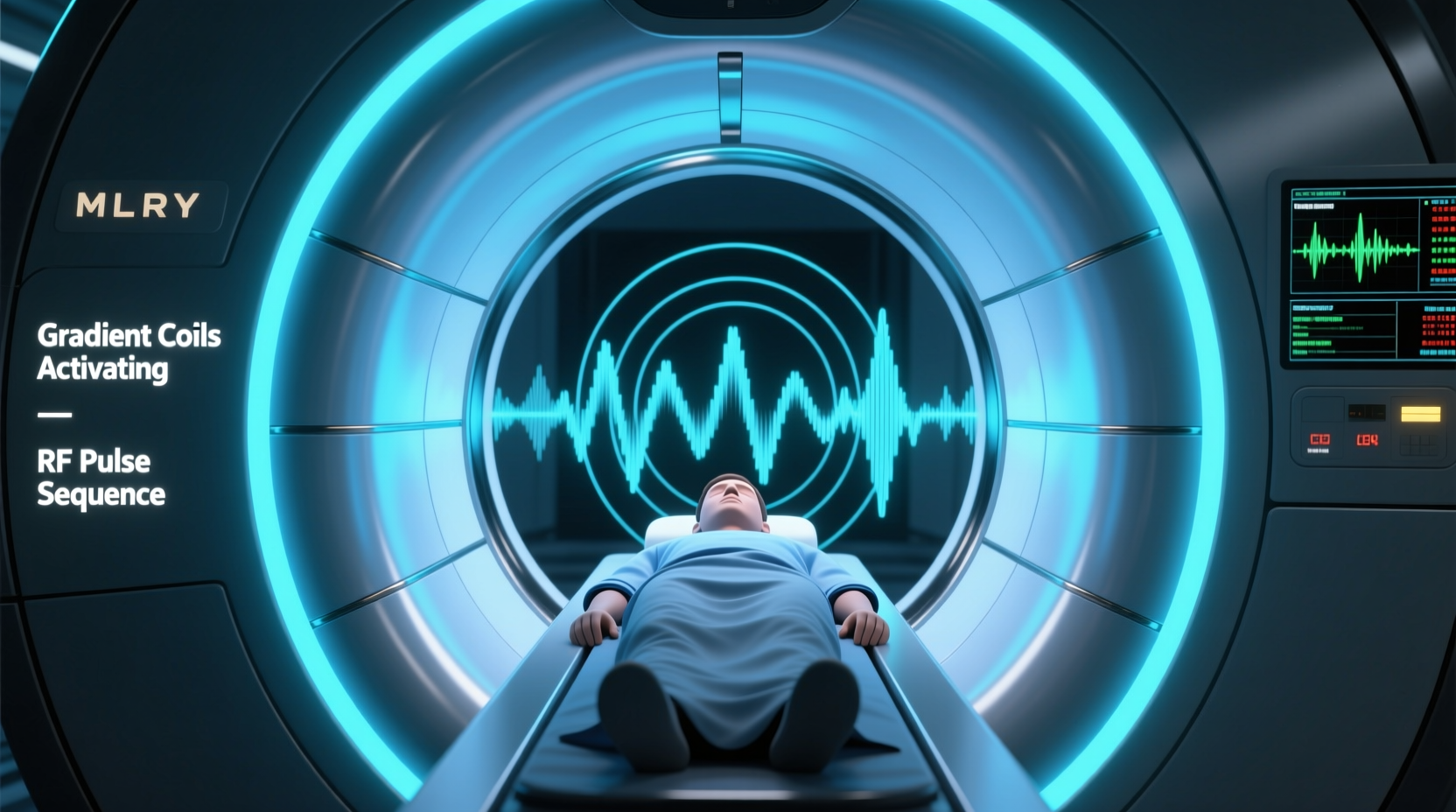
An MRI scanner operates by using a powerful magnetic field—typically 1.5 to 3 Tesla, thousands of times stronger than Earth’s natural magnetic field—to align hydrogen atoms in the body. Radiofrequency pulses are then applied, causing these atoms to emit signals that are captured and converted into high-resolution images. While the magnetic field itself is silent, the noise comes from another critical component: the gradient coils.
These coils are located inside the MRI machine and are responsible for spatially encoding the signal, allowing the system to determine where in the body each signal originates. To do this, they rapidly switch electrical currents on and off, creating temporary changes in the magnetic field. When these currents fluctuate, the coils experience strong Lorentz forces, causing them to vibrate violently against their mountings. This vibration produces the loud banging and tapping sounds characteristic of an MRI session.
“Each time the gradients switch, it's like a tiny controlled explosion happening inside the machine. The result is sound levels comparable to a power tool or even a rock concert.” — Dr. Alan Reeves, Medical Physicist at Boston Imaging Center
How Loud Is an MRI, Really?
Sound levels during an MRI scan typically range from **85 to 118 decibels (dB)**, depending on the sequence being used. For context:
- Normal conversation: ~60 dB
- City traffic: ~80–85 dB
- Chainsaw: ~110 dB
- Rock concert: ~115–120 dB
Prolonged exposure to sounds above 85 dB can cause hearing damage, which is why hearing protection is not optional—it’s essential. Most imaging centers provide earplugs or noise-canceling headphones to mitigate the risk. Despite the volume, the noise itself poses no direct health threat when proper precautions are taken.
Types of MRI Sounds and What They Mean
The pattern of noise during an MRI isn’t random. Different imaging sequences produce distinct rhythms and intensities based on how the gradient coils are pulsed. Here’s a breakdown of common sound types:
| Sound Type | Description | Imaging Sequence |
|---|---|---|
| Buzzing | Continuous, low-pitched hum | T1-weighted imaging |
| Rhythmic Knocking | Repetitive thumping, like a drumbeat | T2-weighted or FLAIR sequences |
| High-Pitched Chirping | Fast, electronic beeping | Diffusion-weighted imaging (DWI) |
| Intense Clanging | Sudden, sharp metallic impacts | Echo-planar imaging (EPI), often used in fMRI |
While these sounds may seem alarming, they are entirely normal and indicate that the machine is functioning correctly. Each sequence serves a specific diagnostic purpose, and the noise reflects the complexity of data acquisition.
Minimizing Discomfort: Practical Tips for Patients
For some individuals—especially those with anxiety, claustrophobia, or sensory sensitivities—the noise of an MRI can be overwhelming. Fortunately, several strategies can make the experience significantly more tolerable.
- Use double hearing protection: Combine earplugs with over-ear headphones if offered. This dual-layer approach can reduce noise by 30–40 dB.
- Ask about music options: Many modern MRI suites allow patients to listen to music through specialized MRI-safe headphones, helping to mask disruptive sounds.
- Practice relaxation techniques: Deep breathing, mindfulness, or guided imagery can reduce stress responses triggered by loud environments.
- Request a blanket: A light compression blanket can provide a sense of security and reduce muscle tension caused by startle reflexes from sudden noises.
- Consider sedation if necessary: For highly anxious patients, doctors may prescribe mild sedatives to ease discomfort during longer scans.
Real-World Example: Sarah’s First MRI Experience
Sarah, a 42-year-old teacher, was referred for a brain MRI after experiencing persistent headaches. Though she wasn’t claustrophobic, she became visibly anxious when the machine started producing rapid, hammer-like knocks. “It sounded like someone was jackhammering inside my head,” she later recalled. The technician paused the scan, reinserted her earplugs properly, and played calming piano music through the headphones. With the noise partially masked and her breathing regulated, Sarah completed the remaining sequences without issue. Her scan revealed a benign cyst, and she credited the staff’s responsiveness with preventing a panic attack.
This case illustrates how simple interventions can transform a distressing experience into a manageable one. Patient education and empathetic support play a crucial role in successful imaging outcomes.
Advancements in Quieter MRI Technology
Recognizing patient discomfort, manufacturers have invested heavily in reducing MRI noise. Innovations include:
- QuietScan™ and Silent MRI technologies: These systems use optimized gradient pulse sequences and dampening materials to reduce sound output by up to 90%.
- Improved coil designs: Newer gradient coils are better secured and use materials that absorb vibrations.
- Active noise cancellation: Experimental systems incorporate microphones and counter-sound emitters similar to noise-canceling headphones.
While quieter MRIs are becoming more common, especially in outpatient and pediatric settings, they are not yet standard in all hospitals due to higher costs and technical limitations. However, as demand grows, expect widespread adoption in the next decade.
Frequently Asked Questions
Is the noise from an MRI harmful?
No, the noise itself is not harmful as long as proper hearing protection is worn. Without protection, prolonged exposure could potentially lead to temporary or even permanent hearing loss. Always use the earplugs or headphones provided.
Can I move during the loud parts of the scan?
No. Any movement—even slight—can blur the images and compromise diagnostic accuracy. The noise level does not indicate danger; it simply means the machine is capturing data. Staying still is crucial throughout the entire scan.
Why don’t all MRI machines have noise reduction features?
Quieter MRI systems require advanced engineering and are more expensive to manufacture and maintain. Additionally, some noise-reduction techniques can slightly affect image quality or lengthen scan time. Facilities must balance patient comfort with clinical efficiency and budget constraints.
Conclusion: Knowledge Reduces Fear
The loud noises produced by an MRI scanner are a byproduct of its sophisticated technology, not a malfunction or danger signal. By understanding that the banging and buzzing result from essential magnetic components doing their job, patients can approach the experience with greater calm and confidence. Coupled with proper hearing protection and relaxation techniques, this knowledge transforms fear into informed preparedness.




 浙公网安备
33010002000092号
浙公网安备
33010002000092号 浙B2-20120091-4
Comments
No comments yet. Why don't you start the discussion?