
Bullying is not just a rite of passage or an inevitable part of growing up. It is a pervasive social issue with deep, long-lasting consequences for victims, perpetrators, and entire communities. Far from being harmless teasing, bullying involves repeated aggressive behavior intended to harm or dominate someone perceived as vulnerable. Its effects ripple across emotional well-being, academic performance, mental health, and even physical safety. Understanding why bullying is a problem—and recognizing its true impact—is essential for prevention, intervention, and fostering healthier environments in schools, workplaces, and homes.
The Emotional and Psychological Toll on Victims
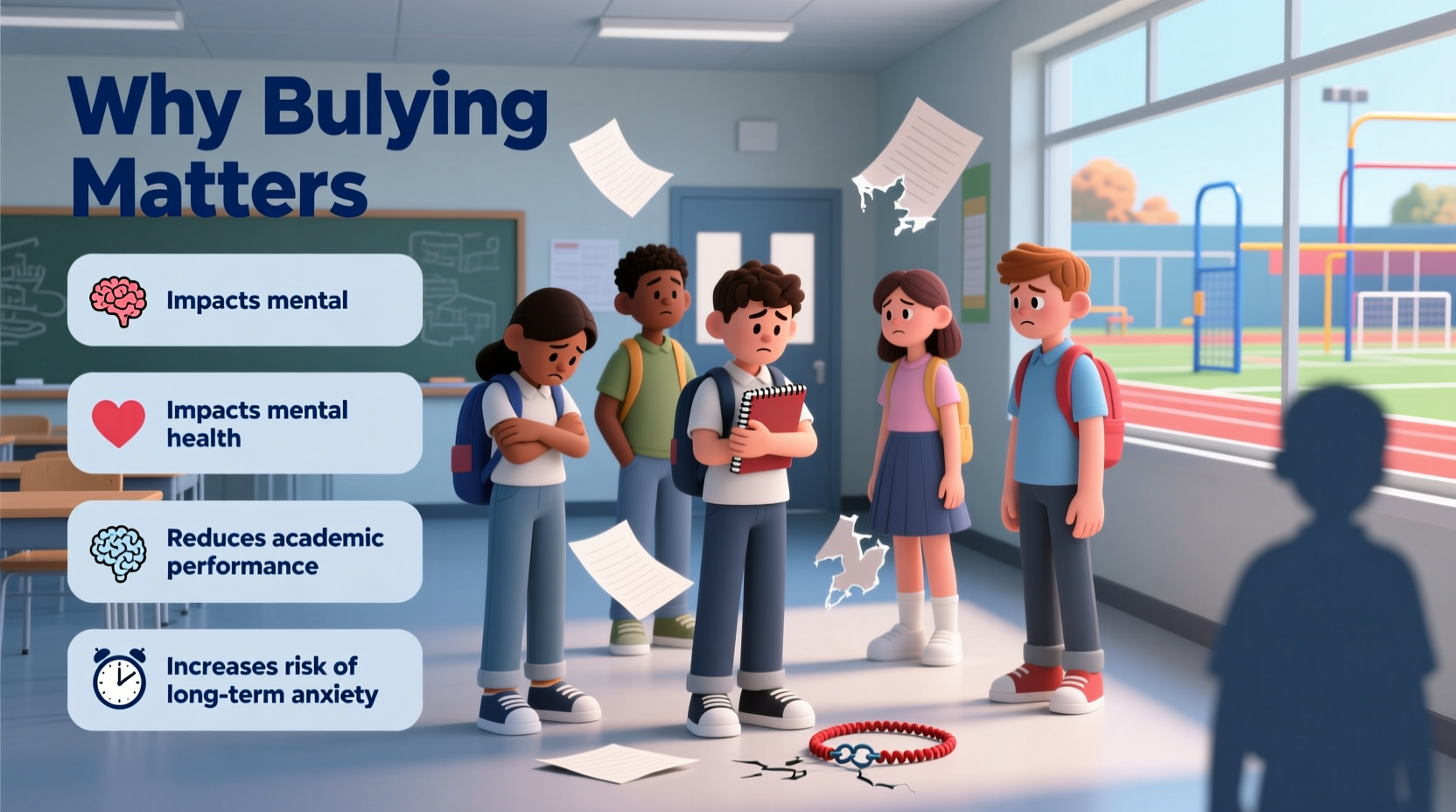
One of the most profound impacts of bullying lies in its effect on mental health. Victims often experience intense feelings of shame, fear, and isolation. These emotions can escalate into anxiety disorders, depression, and in severe cases, suicidal ideation. The constant stress of being targeted erodes self-esteem and distorts self-perception, leading many to internalize the abuse as personal failure.
Children and adolescents who are bullied frequently report feeling helpless, unworthy, or invisible. Over time, this can lead to social withdrawal, avoidance of school, and disengagement from activities they once enjoyed. The psychological scars may persist into adulthood, affecting relationships, career choices, and overall life satisfaction.
“Bullying doesn’t just hurt in the moment—it reshapes how young people see themselves and the world around them.” — Dr. Linda Thompson, Child Psychologist
Academic Consequences and School Climate
Bullying directly undermines the educational mission of schools. Students who are bullied often struggle to concentrate, miss classes due to fear or illness, and perform below their potential. According to research by the National Center for Education Statistics, students who report being bullied are more likely to have lower GPAs and decreased standardized test scores.
Beyond individual outcomes, bullying affects the entire school environment. A culture that tolerates harassment fosters fear and distrust, discouraging open communication and peer collaboration. Teachers may spend valuable instructional time managing conflicts instead of teaching. When bullying becomes normalized, bystanders learn to stay silent, perpetuating a cycle of indifference.
| Impact Area | Effect of Bullying | Long-Term Risk |
|---|---|---|
| Attendance | Frequent absenteeism due to fear | Higher dropout rates |
| Concentration | Difficulty focusing in class | Lower academic achievement |
| Social Engagement | Avoidance of group activities | Poor interpersonal skills |
| Teacher-Student Trust | Reluctance to seek help | Erosion of support systems |
The Hidden Harm: Cyberbullying in the Digital Age
With the rise of smartphones and social media, bullying has moved beyond the playground and into digital spaces. Cyberbullying allows harassment to follow victims home, making escape nearly impossible. Unlike traditional bullying, harmful messages, images, or rumors can spread rapidly and remain online indefinitely.
Cyberbullying often feels more invasive because it can occur at any hour and reach a wide audience instantly. Victims may feel humiliated in front of peers, family, and even strangers. The anonymity afforded to perpetrators can embolden cruel behavior, while the permanence of digital content intensifies trauma.
A 2023 study by the Pew Research Center found that 46% of U.S. teens have experienced cyberbullying, with name-calling and rumor-spreading being the most common forms. Alarmingly, only about half reported the incidents to adults, citing fear of retaliation or having their devices taken away.
Mini Case Study: The Story of Jordan
Jordan, a 14-year-old student, began receiving anonymous mean comments on their Instagram posts after a minor disagreement with a classmate. What started as a few sarcastic remarks escalated into a coordinated campaign involving fake accounts and shared screenshots mocking Jordan’s appearance. Within weeks, Jordan stopped attending school events, grades dropped, and panic attacks became frequent. It wasn’t until a teacher noticed the change in behavior and initiated a private conversation that the situation was uncovered. With counseling and school intervention, Jordan slowly recovered—but the experience left lasting emotional scars.
Effects on Bullies and Bystanders
The damage caused by bullying extends beyond the victim. Perpetrators themselves are at risk of negative outcomes. Research shows that youth who engage in bullying behavior are more likely to struggle with substance abuse, exhibit violent tendencies, and face legal or disciplinary issues later in life. Without intervention, bullying can become a pattern of dominance and control that persists into adulthood.
Bystanders also suffer psychologically. Witnessing bullying creates moral distress—many want to help but fear becoming targets themselves. This sense of powerlessness can contribute to anxiety and guilt. However, when bystanders are empowered to speak up or report incidents, they play a crucial role in shifting group norms and reducing bullying prevalence.
“Empathy is not innate—it must be taught. Schools that foster compassion see fewer incidents of bullying and stronger peer support.” — Dr. Marcus Lee, Educational Sociologist
Prevention and Intervention: A Step-by-Step Approach
Addressing bullying effectively requires a proactive, multi-tiered strategy. Here is a practical timeline for schools and families to reduce bullying and support those affected:
- Week 1–2: Assess the Environment – Conduct anonymous surveys to gauge bullying frequency and types. Hold focus groups with students, teachers, and parents.
- Week 3–4: Train Staff and Students – Implement anti-bullying workshops for educators and age-appropriate empathy programs for students.
- Month 2: Establish Clear Policies – Develop transparent reporting mechanisms and consistent consequences for bullying behavior.
- Month 3+: Launch Peer Support Programs – Create buddy systems, mentorship initiatives, and safe spaces for students to talk.
- Ongoing: Monitor and Adapt – Review incident reports quarterly and adjust strategies based on data and feedback.
FAQ
Is bullying really that common?
Yes. According to the CDC, about 1 in 5 high school students in the U.S. reports being bullied on school property, and 1 in 7 reports being bullied electronically. These numbers suggest bullying remains a widespread issue despite increased awareness.
Can bullying lead to long-term mental health problems?
Absolutely. Longitudinal studies show that individuals bullied in childhood are at higher risk for depression, anxiety disorders, and low self-esteem into adulthood. Some also experience post-traumatic stress symptoms, especially in cases of severe or prolonged abuse.
What should I do if my child is bullying others?
Respond with curiosity, not anger. Try to understand the underlying reasons—such as exposure to violence, lack of empathy training, or unmet emotional needs. Seek guidance from school counselors or child psychologists to address behavior constructively.
Conclusion: Turning Awareness into Action
Understanding why bullying is a problem is the first step toward meaningful change. Its impact is not limited to fleeting moments of cruelty; it alters lives, disrupts learning, and weakens the fabric of communities. But with informed strategies, compassionate responses, and sustained commitment, we can create environments where respect prevails over fear.
Whether you’re a parent, educator, or community member, your role matters. Speak up when you see injustice. Teach empathy as a core value. Support victims without judgment. Challenge the myth that bullying is normal. Change begins with awareness—but it grows through action.




 浙公网安备
33010002000092号
浙公网安备
33010002000092号 浙B2-20120091-4
Comments
No comments yet. Why don't you start the discussion?