
In an era defined by rapid technological advancement and urban burnout, the cottagecore aesthetic has evolved from a fleeting internet trend into a sustained cultural movement. What began as a whimsical escape on social media platforms like Tumblr and TikTok has taken root in the daily lives of millions—particularly among Gen Z. Far more than just floral dresses and sourdough starters, cottagecore represents a yearning for simplicity, self-sufficiency, and connection to nature. But why does it continue to resonate so deeply? And how is a generation raised on smartphones and streaming services reinventing rustic charm for the 21st century?
The answer lies at the intersection of psychological need, environmental awareness, and digital-age rebellion. As climate anxiety rises and urban life grows increasingly isolating, young people are turning to cottagecore not merely as an aesthetic but as a philosophy—one that values slow living, mindful consumption, and emotional grounding.
The Emotional Appeal of Cottagecore in Turbulent Times
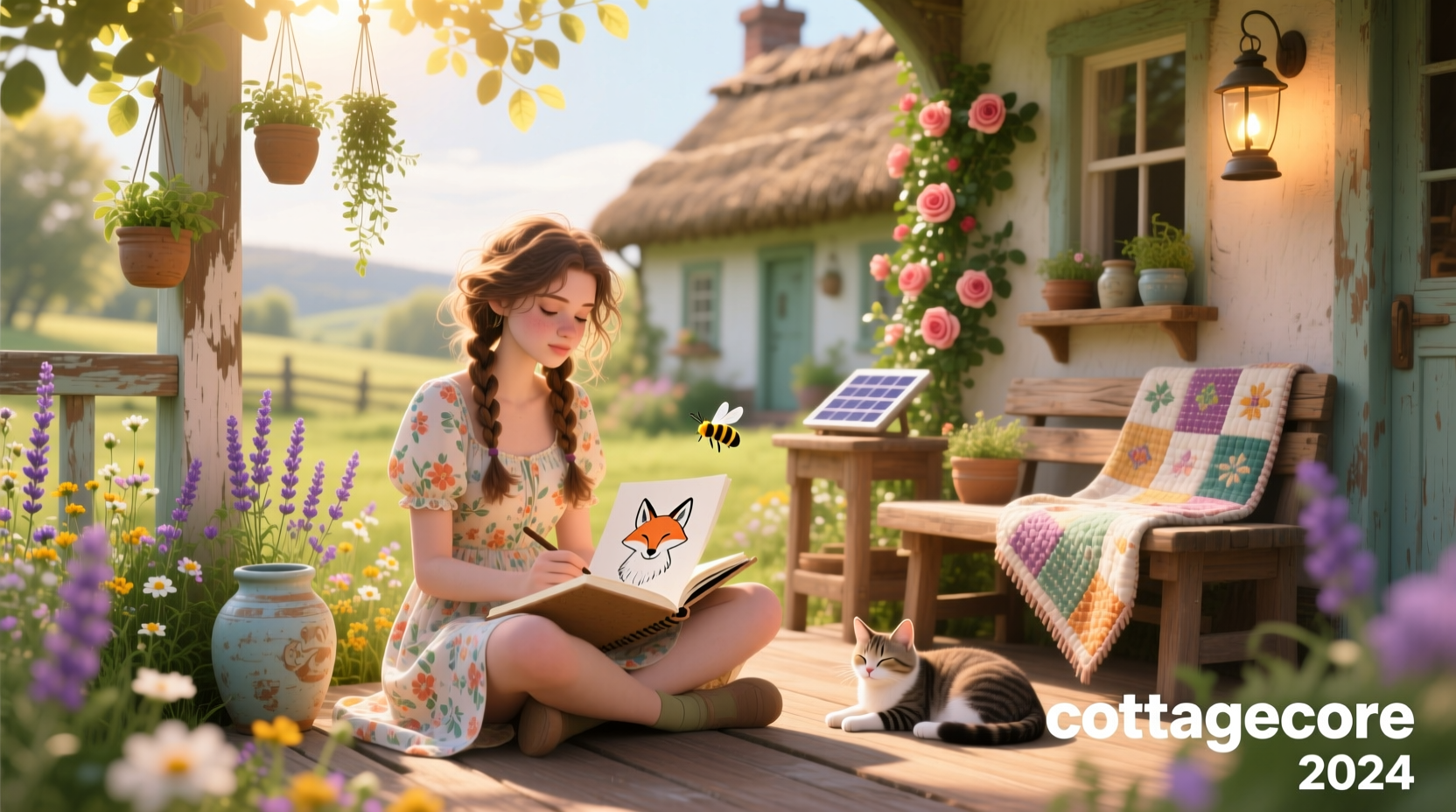
Cottagecore emerged prominently during periods of global uncertainty: first gaining traction during the pandemic, when lockdowns forced introspection and home-centered routines, and later resurging amid economic instability and ecological crises. At its core, the movement offers psychological comfort through idealized visions of rural life—rolling meadows, hand-knit sweaters, jars of preserves lined up in sunlit pantries.
This romanticization isn’t accidental. Psychologists note that nostalgia serves as a coping mechanism during times of stress. A 2023 study published in *Emotion* found that individuals who engaged with nostalgic media reported lower levels of anxiety and higher perceived social support. Cottagecore, with its emphasis on pre-industrial aesthetics and analog pastimes, taps directly into this emotional reservoir.
“Cottagecore is less about returning to the past and more about reclaiming agency over one’s time and environment.” — Dr. Lena Torres, Cultural Psychologist at University of Edinburgh
For Gen Z, many of whom came of age during overlapping crises—from climate disasters to political polarization—cottagecore provides a sense of control. Baking bread, tending houseplants, or journaling by candlelight becomes a form of resistance against the relentless pace of modernity.
Gen Z’s Digital Reinvention of Rustic Living
What sets today’s cottagecore apart from earlier back-to-the-land movements is its paradoxical embrace of technology. While the lifestyle idealizes disconnection, it thrives online. TikTok videos tagged #cottagecore have amassed over 8 billion views. Instagram feeds showcase perfectly curated herb gardens, vintage teacups, and linen-clad mornings—all captured with high-resolution smartphone cameras.
This duality reflects Gen Z’s nuanced relationship with digital culture. They don’t reject technology; they repurpose it. Apps like PlantSnap help identify wildflowers during forest walks. YouTube tutorials teach fermentation techniques. Etsy supports micro-economies built around handmade soap and embroidery. The digital world becomes a tool for accessing analog experiences.
Moreover, Gen Z’s version of cottagecore is more inclusive and critically aware than its predecessors. Unlike mid-20th-century homesteading narratives that often centered white, middle-class families, contemporary cottagecore embraces diversity in race, gender identity, and socioeconomic background. Urban adaptations—like balcony gardening, DIY natural dyes, or “apartment homesteading”—make the lifestyle accessible to those without access to land.
From Aesthetic to Ethos: Sustainability and Self-Sufficiency
While early critiques dismissed cottagecore as escapist fantasy, many practitioners have transformed it into a framework for sustainable living. Thrifted clothing replaces fast fashion. Homemade meals reduce plastic waste. Composting and seed-saving become acts of environmental stewardship.
Gen Z’s alignment with eco-conscious values turns aesthetic choices into ethical ones. According to a 2024 Pew Research report, 72% of Americans aged 18–25 consider climate change a major threat—more than any other age group. Cottagecore offers a tangible way to respond: growing food, mending clothes, and reducing reliance on industrial systems.
This shift from passive admiration to active participation marks a key evolution in the trend. It’s no longer enough to simply post a photo of a moss-covered cottage—you’re expected to know how to propagate cuttings, preserve tomatoes, or knit a scarf.
| Traditional Cottagecore | Gen Z Redefined |
|---|---|
| Focused on visual aesthetics | Emphasizes practical skills and ethics |
| Idealized rural isolation | Adapted for urban and suburban settings |
| Limited representation | Inclusive of diverse identities and backgrounds |
| Nostalgic for imagined past | Forward-looking with sustainable goals |
| Passive consumption (e.g., watching videos) | Active creation (e.g., making, growing, repairing) |
Real-Life Impact: A Mini Case Study
Take 23-year-old Maya Chen from Portland, Oregon. After graduating college with student debt and landing a remote job in digital marketing, she felt disconnected and overwhelmed. Inspired by cottagecore TikTok accounts, she began experimenting with small changes: planting lavender and thyme in recycled jars, learning to bake sourdough using discarded starter from a local bakery, and switching to secondhand clothing.
Within six months, Maya had transformed her studio apartment into a functional mini-homestead. She now hosts monthly “mend-and-make” workshops for neighbors, teaches basic fermentation on YouTube, and sources 40% of her produce from her vertical garden and community plots. Her journey wasn’t about escaping reality—it was about building resilience within it.
“I used to think cottagecore was just pretty pictures,” she says. “Now I see it as a toolkit for autonomy. Every jar of pickles I make feels like a tiny act of defiance against a broken system.”
How to Embrace Cottagecore Authentically: A Step-by-Step Guide
Living cottagecore isn’t about achieving perfection—it’s about intentionality. Here’s a realistic path to integrate its principles into modern life:
- Start with observation: Spend time noticing seasonal changes, plant growth, or weather patterns. Keep a simple nature journal.
- Choose one skill to learn: Pick something practical—baking, mending, herbal tea blending—and dedicate 30 minutes a week to practicing it.
- Redefine your space: Introduce natural materials like wood, linen, or clay. Add plants, even if only succulents on a desk.
- Reduce digital overload: Designate one evening per week as screen-free. Replace scrolling with reading, sketching, or cooking.
- Engage locally: Join a community garden, farmers market, or craft circle. Build real-world connections around shared values.
- Practice mindful consumption: Before buying, ask: Can I borrow, repair, or thrift this? Does it align with my values?
- Document thoughtfully: If sharing online, focus on process over perfection. Share failures as much as successes.
Common Misconceptions and Pitfalls to Avoid
Despite its popularity, cottagecore faces criticism—and some of it is valid. Romanticizing rural poverty or ignoring the labor-intensive reality of farming can lead to superficial engagement. Others worry that the trend commodifies simplicity, turning it into another consumer product.
- Don’t fetishize hardship: Idealizing pre-modern life without acknowledging its challenges (lack of healthcare, manual labor) distorts history.
- Avoid performative minimalism: Owning ten linen dresses bought from a boutique isn’t simpler than owning twenty fast-fashion items.
- Recognize privilege: Access to land, time, and resources isn’t universal. Focus on adaptation, not replication.
- Don’t shame others’ lifestyles: Cottagecore should inspire, not judge. Not everyone can grow their own food—and that’s okay.
FAQ: Understanding Cottagecore’s Longevity
Is cottagecore just a phase for young people?
While popular among Gen Z, cottagecore resonates across generations. Its principles—slowing down, connecting with nature, valuing craftsmanship—are timeless. Many millennials and older adults engage with it through gardening clubs, craft fairs, or retirement homesteading.
Can you live cottagecore in a city?
Absolutely. Urban cottagecore emphasizes balcony gardens, zero-waste shopping, public library use, and community-based skills sharing. The essence lies in mindset, not geography.
Isn’t it hypocritical to promote offline living on social media?
It can be—if the focus is only on appearance. But when platforms are used to share knowledge, build communities, and advocate for sustainability, they amplify the movement’s impact rather than undermine it.
Conclusion: Cottagecore as a Movement of Meaning
Cottagecore endures because it answers a deep human need: the desire for meaning in a fragmented world. For Gen Z, it’s not about retreating from reality but reimagining it—with greater care, creativity, and connection. By blending digital fluency with hands-on tradition, they’ve transformed a nostalgic daydream into a living practice.
This redefinition of rustic charm isn’t about rejecting progress. It’s about choosing which parts of the past to carry forward and which systems to leave behind. Whether you’re fermenting vegetables, repairing a shirt, or simply sitting quietly with a cup of chamomile tea, you’re participating in a quiet revolution—one rooted in presence, purpose, and peace.




 浙公网安备
33010002000092号
浙公网安备
33010002000092号 浙B2-20120091-4
Comments
No comments yet. Why don't you start the discussion?