
Crab has long been a prized delicacy across global cuisines, from Maryland’s blue crabs to Alaska’s king crab legs served in high-end restaurants. Yet, many consumers are startled by the steep price tags attached to even modest portions. A pound of fresh Dungeness crab can cost over $30, while premium king crab legs often exceed $50 per pound at retail. What drives such high prices? The answer lies in a complex interplay of biological constraints, labor intensity, environmental pressures, and global market forces. Understanding these factors reveals why crab remains one of the most expensive proteins on the seafood market.
Seasonality and Limited Harvest Windows
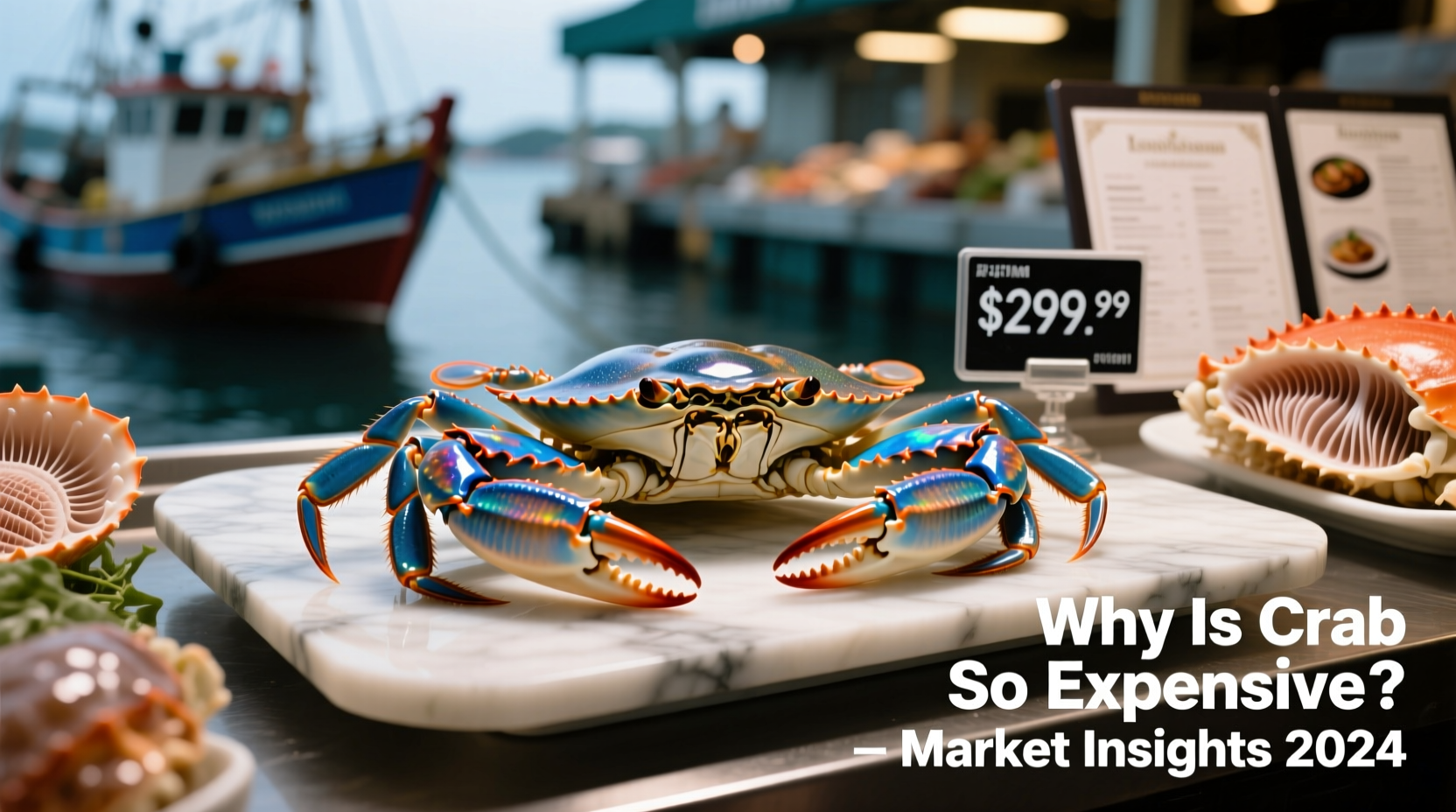
Unlike farmed fish or shellfish with year-round availability, most crab species are subject to strict seasonal regulations. Fisheries open only during specific months to protect breeding populations and ensure sustainability. For example, Alaskan king crab season typically runs from October to January, depending on regional quotas and stock health. This short window creates a supply bottleneck. Once the season ends, stocks must last until the next harvest—often leading to scarcity and inflated prices as inventory dwindles.
Moreover, weather conditions can delay or shorten seasons. Storms, rough seas, or unseasonably warm waters may prevent boats from fishing, reducing total catch volume. In 2022, the Bering Sea snow crab fishery was canceled entirely due to a dramatic population decline linked to warming ocean temperatures—a first in history and a stark reminder of nature’s role in pricing.
Labor-Intensive Harvesting and Processing
Catching crab is not simply a matter of dropping nets and hauling them back. It involves perilous work in remote, freezing waters. Crab fishermen face extreme conditions—sub-zero temperatures, high winds, and heavy machinery—all while navigating deep waters where a single mistake can be fatal. The danger involved demands higher wages and insurance costs, which are passed down the supply chain.
Once caught, crab requires immediate processing. King and snow crabs are typically cooked onboard within hours of being pulled from the sea to preserve flavor and texture. After cooking, they’re rapidly cooled and frozen. This entire process—from deck to freezer—must happen efficiently to maintain quality. Onshore, further labor is required for cracking, picking, packaging, and distribution. Hand-picked lump meat, especially from species like blue crab, commands premium prices because it takes up to 8 pounds of whole crabs to yield just 1 pound of meat.
“Crab fishing is one of the most dangerous jobs in America. The risks and effort involved are reflected in every leg we sell.” — Mark Tolbert, Commercial Fisherman, Dutch Harbor, AK
Species Variability and Market Demand
Not all crab is created equal. Price varies significantly by species, size, origin, and form (whole, legs, clusters, or picked meat). High demand for certain types amplifies their cost, especially when supply is limited.
| Crab Type | Avg. Retail Price (per lb) | Primary Source | Key Factors Influencing Price |
|---|---|---|---|
| Alaskan King Crab | $45–$70 | Bering Sea, AK | Rarity, danger of harvest, high export demand |
| Snow Crab | $25–$40 | North Atlantic, AK | Seasonal closure, climate impact on stocks |
| Dungeness Crab | $15–$30 | West Coast, USA | Short season, domestic popularity |
| Blue Crab (lump meat) | $30–$50 | Chesapeake Bay, USA | Labor-intensive picking, regional scarcity |
| Stone Crab (claws only) | $40–$60 | Florida, USA | Sustainable harvesting (claws regrow), limited season |
Global demand also plays a major role. China, Japan, and Europe import large volumes of premium crab, particularly king and snow crab. During holidays like Chinese New Year, demand spikes sharply, driving up auction prices in Alaska and beyond. U.S. consumers often compete with international buyers, further inflating domestic retail costs.
Environmental Pressures and Sustainability Regulations
Ocean warming is having a measurable impact on crab populations. In 2023, NOAA declared a fisheries disaster for Alaska’s snow crab due to a 90% population drop since 2018, largely attributed to rising sea temperatures. With less biomass available, regulators impose tighter quotas or full closures—directly reducing supply and increasing prices.
To protect ecosystems, fisheries enforce strict size limits, gear restrictions, and bycatch rules. While essential for long-term sustainability, these measures reduce efficiency and increase operational costs. Smaller boats may need to make multiple trips to meet quotas, raising fuel and labor expenses. Additionally, sustainable certification (like MSC) adds administrative overhead, though it allows producers to charge a premium.
Climate change isn’t the only environmental factor. Pollution, habitat loss, and ocean acidification affect juvenile survival rates. For instance, Dungeness crab larvae struggle to develop shells in more acidic waters, threatening future stocks. These ecological vulnerabilities make crab inherently less predictable than farmed alternatives like shrimp or tilapia.
Supply Chain Complexity and Distribution Costs
From remote fishing grounds to urban supermarkets, crab travels a long and costly journey. Fresh or frozen crab must remain under strict temperature control throughout transit. Air freight is often used for rapid delivery of live or fresh product, especially for high-end restaurants. A single shipment of live Alaskan king crab flown to Tokyo can incur thousands in logistics fees.
Import tariffs and trade policies also influence final prices. When the U.S. imposed tariffs on Chinese goods, China retaliated with tariffs on American seafood—including crab. This disrupted export markets and forced U.S. suppliers to absorb excess inventory, sometimes leading to short-term price drops. However, in global hotspots like Hong Kong or Dubai, imported crab faces luxury taxes and handling surcharges, pushing retail prices even higher.
Mini Case Study: The 2022 Snow Crab Collapse
In 2022, Alaska made headlines by canceling the Bering Sea snow crab season for the first time ever. Scientists found that warming waters had decimated juvenile populations, leaving too few adults to sustain a fishery. Overnight, wholesale prices for existing frozen snow crab inventory jumped by over 40%. Restaurants removed snow crab from menus, and retailers rationed sales. Meanwhile, king crab prices surged as consumers sought substitutes. This event highlighted how fragile crab supply chains are—and how quickly ecological shifts translate into economic consequences.
How to Make Crab More Affordable: Practical Tips
While you can’t control ocean temperatures or international demand, there are smart ways to enjoy crab without overspending.
- Buy off-season in bulk: Purchase frozen crab when new stock arrives post-harvest and store it at home.
- Choose lesser-known species: Rock crab or golden king crab offer similar flavor at lower prices.
- Visit local docks or co-ops: In coastal areas, buying directly from fishermen avoids retail markups.
- Cook whole crabs yourself: Pre-cracked legs or picked meat come with a convenience premium.
- Compare forms: Whole steamed crabs cost less per ounce of meat than pre-picked options.
Checklist: Smart Crab Buying Strategy
- Check the harvest season for your preferred crab type
- Compare frozen vs. fresh pricing at multiple retailers
- Look for vacuum-sealed, individually frozen (IQF) packages
- Avoid products with excessive ice glaze (adds weight and cost)
- Consider store brands—they often source from the same suppliers as name brands
- Join a seafood subscription or co-op for bulk discounts
Frequently Asked Questions
Why is king crab so much more expensive than other types?
King crab is rare, difficult to harvest in dangerous Arctic waters, and highly sought after globally. Its large size, sweet meat, and impressive presentation make it a luxury item, allowing suppliers to command top dollar.
Is imitation crab cheaper because it’s low quality?
Imitation crab (surimi) is made from processed white fish, starch, and flavorings. It’s significantly cheaper because it uses abundant, farmed fish instead of wild-caught crab. While it mimics texture, it lacks the natural sweetness and nutritional profile of real crab.
Does farmed crab exist?
True crab farming remains limited due to the complexity of larval development and slow growth rates. Some experimental hatcheries exist, but commercial-scale farming isn’t viable yet. Most crab is still wild-caught, contributing to supply instability.
Final Thoughts: Appreciating the True Cost of Crab
The high price of crab isn’t arbitrary—it reflects real costs: human risk, environmental fragility, logistical challenges, and growing global demand. As climate change continues to disrupt marine ecosystems, prices may rise further unless sustainable practices and innovative aquaculture methods advance.
For consumers, understanding these factors fosters appreciation for every bite. By making informed choices—buying seasonally, supporting sustainable fisheries, and minimizing waste—you contribute to a more resilient seafood system. Whether you're serving crab cakes at a family dinner or splurging on king crab legs for a celebration, knowing why it’s expensive helps you value it more.




 浙公网安备
33010002000092号
浙公网安备
33010002000092号 浙B2-20120091-4
Comments
No comments yet. Why don't you start the discussion?