
In today’s competitive marketplace, businesses can no longer rely on intuition or fragmented systems to manage customer relationships. The shift toward data-driven strategies has made Customer Relationship Management (CRM) systems not just useful—but essential. A well-implemented CRM acts as the central nervous system of a growing organization, connecting sales, marketing, and customer service into a unified operation. It's more than software; it's a strategic approach that aligns every customer interaction with business goals.
From startups to multinational corporations, companies across industries are leveraging CRM platforms to gain deeper insights, improve responsiveness, and scale efficiently. But what exactly makes CRM so critical? And how does it directly contribute to sustainable business growth?
Centralizing Customer Data for Smarter Decisions
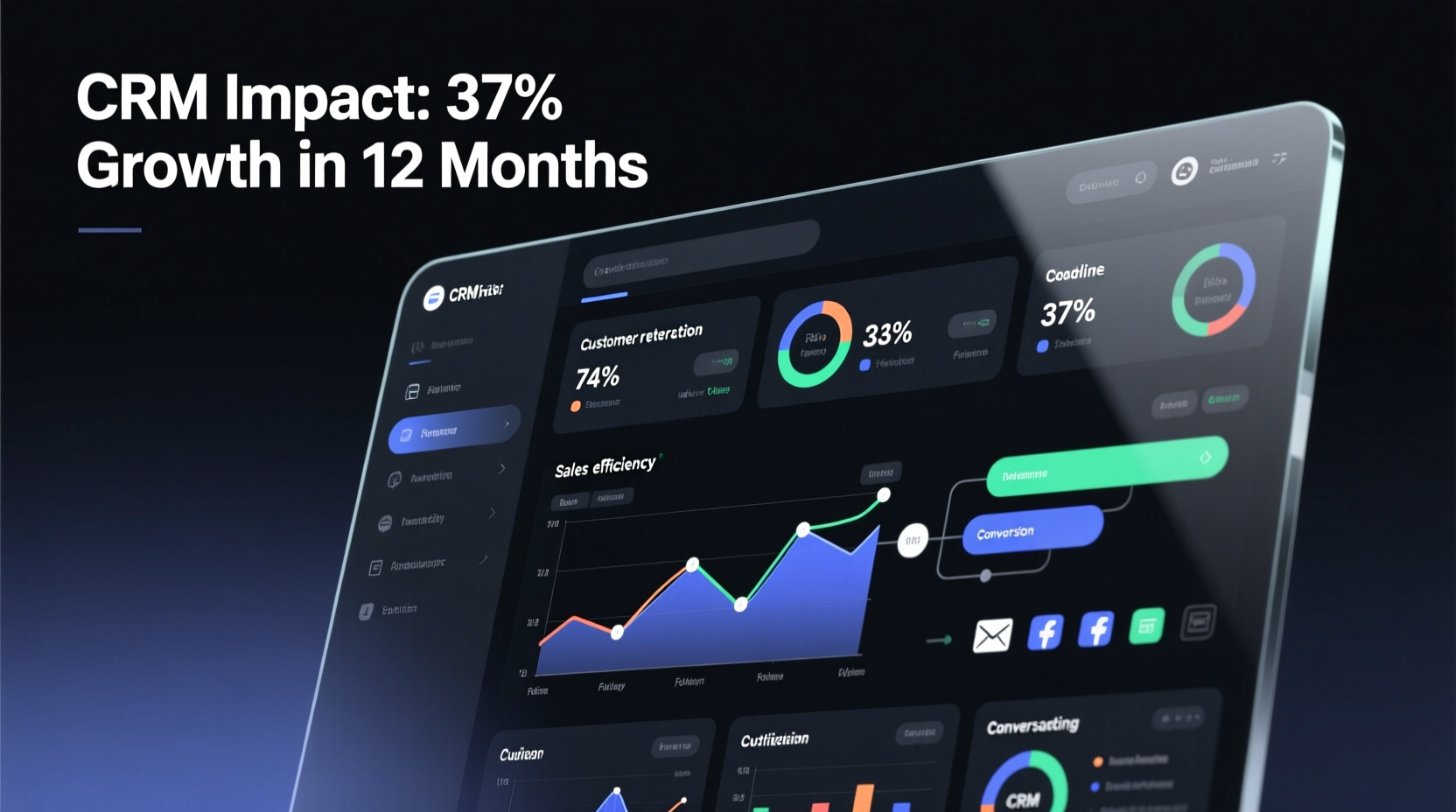
One of the most immediate benefits of a CRM system is the consolidation of customer information. Without CRM, customer data often lives in silos—emails in inboxes, notes in spreadsheets, call logs on personal devices. This fragmentation leads to inefficiencies, missed opportunities, and inconsistent communication.
A CRM brings all this data into one accessible platform. Every touchpoint—from initial inquiry to post-sale support—is recorded and organized. Sales teams can see a complete history of interactions, marketing can segment audiences based on behavior, and support agents can resolve issues faster with full context.
This centralized visibility allows leadership to make informed decisions. For example, identifying which customer segments generate the highest lifetime value helps prioritize resource allocation. Forecasting becomes more accurate because historical sales patterns are easily analyzed within the system.
Enhancing Sales Efficiency and Pipeline Visibility
Sales teams spend too much time on administrative tasks—logging calls, chasing follow-ups, updating spreadsheets. CRM automates many of these functions, freeing up time for actual selling. Automated reminders, task assignments, and lead scoring ensure no opportunity slips through the cracks.
Moreover, CRM provides real-time visibility into the sales pipeline. Managers can monitor deal stages, identify bottlenecks, and forecast revenue with greater precision. This transparency supports better coaching, performance tracking, and strategic planning.
“Sales productivity increases by up to 34% when teams use CRM tools effectively.” — Salesforce State of Sales Report
Lead management also improves significantly. Instead of relying on gut feeling, CRM enables objective lead qualification using predefined criteria. High-potential prospects are prioritized, reducing wasted effort and increasing conversion rates.
Improving Customer Retention and Satisfaction
Acquiring a new customer can cost five times more than retaining an existing one. CRM plays a pivotal role in nurturing long-term relationships. By tracking customer preferences, purchase history, and service requests, businesses can deliver personalized experiences at scale.
For instance, automated birthday emails with tailored offers increase emotional connection. Support teams can reference past tickets to avoid making customers repeat themselves—a major frustration point. These small but meaningful touches build trust and loyalty.
CRM systems also enable proactive engagement. If a customer hasn’t logged in for weeks or hasn’t renewed a subscription, the system can trigger a re-engagement campaign. This kind of anticipatory service strengthens retention and reduces churn.
Mini Case Study: Scaling a SaaS Startup with CRM
A mid-sized SaaS company was struggling to keep up with rapid growth. Their sales team used spreadsheets and email threads to track leads, while customer support relied on a separate helpdesk tool. As the customer base expanded, response times slowed, deals were duplicated, and renewal rates began to drop.
They implemented a cloud-based CRM that integrated sales, marketing automation, and customer service. Within six months, they saw a 40% reduction in response time, a 25% increase in upsell conversions, and a 15% improvement in customer retention. The leadership team credited the CRM with providing the structure needed to scale without sacrificing service quality.
Driving Marketing ROI Through Targeted Campaigns
Marketing efforts often fail not because of poor creativity, but due to lack of targeting. CRM data empowers marketers to move beyond broad demographics and engage customers based on actual behavior.
Email campaigns can be segmented by purchase frequency, product interest, or engagement level. Landing pages can be personalized dynamically. Ad retargeting lists can be built from CRM-defined audience groups. All of these capabilities increase relevance and conversion rates.
Furthermore, CRM tracks campaign performance end-to-end. You can see which channels bring in high-value customers, which messages resonate, and where drop-offs occur. This feedback loop allows continuous optimization of marketing spend.
| Campaign Type | Without CRM | With CRM |
|---|---|---|
| Email Marketing | Broadcast to entire list | Segmented by behavior & lifecycle stage |
| Lead Nurturing | Manual follow-ups | Automated workflows based on triggers |
| ROI Measurement | Estimated or incomplete | Precise attribution from lead to sale |
Scaling Operations with Automation and Integration
As businesses grow, manual processes become unsustainable. CRM platforms offer robust automation features that streamline repetitive tasks. From sending welcome emails to assigning support tickets, automation ensures consistency and frees up human capital for higher-value work.
Modern CRMs also integrate seamlessly with other business tools—accounting software, e-commerce platforms, telephony systems, and project management apps. This interconnected ecosystem eliminates redundant data entry and creates a seamless flow of information across departments.
For example, when a customer places an order online, the CRM can automatically create a customer profile, log the transaction, assign a success manager, and trigger a thank-you sequence—all without human intervention.
Checklist: Getting the Most from Your CRM
- Define clear goals for CRM implementation (e.g., improve lead conversion, reduce response time)
- Train all relevant teams thoroughly before rollout
- Import and clean existing customer data before migration
- Customize fields and workflows to match your sales process
- Set up automated reminders and task assignments
- Integrate with email, calendar, and other core tools
- Monitor adoption rates and address resistance early
- Review reports weekly to identify trends and gaps
Common Challenges and How to Overcome Them
Despite its advantages, CRM adoption isn't always smooth. Resistance from staff, poor data quality, and unclear objectives can derail implementation. The key is treating CRM as a long-term strategy—not just a software installation.
Leadership buy-in is crucial. When executives use the system and emphasize its importance, teams are more likely to adopt it consistently. Start with a pilot group, gather feedback, and refine the setup before company-wide deployment.
Another common pitfall is over-customization. While tailoring the CRM to your needs is important, excessive modifications can complicate updates and training. Focus on core functionality first, then expand gradually.
Frequently Asked Questions
Is CRM only for large businesses?
No. Small and medium-sized businesses often benefit the most from CRM because it brings structure to fast-paced environments. Many CRM platforms offer affordable plans tailored to startups and growing teams.
Can CRM improve customer service?
Absolutely. CRM gives support teams instant access to customer history, enabling faster, more accurate responses. It also supports ticket tracking, escalation rules, and satisfaction surveys—key components of excellent service.
How long does it take to see results from CRM?
Most businesses notice improvements in organization and communication within the first month. Tangible results like increased sales or reduced churn typically appear within 3–6 months, depending on usage and process alignment.
Conclusion: Turn Relationships Into Growth
The importance of CRM in modern business cannot be overstated. It transforms disjointed interactions into cohesive customer journeys, turns raw data into actionable insights, and scales operations without sacrificing personalization. Whether you're aiming to close more deals, retain more customers, or simply work smarter, CRM is the foundation for sustainable growth.
Investing in a CRM isn’t just about adopting technology—it’s about committing to better customer relationships. The returns aren’t limited to revenue; they extend to reputation, efficiency, and long-term resilience.




 浙公网安备
33010002000092号
浙公网安备
33010002000092号 浙B2-20120091-4
Comments
No comments yet. Why don't you start the discussion?