
Crying is often seen as a sign of weakness, especially in cultures that value emotional restraint. But science tells a different story: shedding tears is a natural, healthy response that supports both mental and physical well-being. From stress relief to emotional processing, crying plays a vital role in human resilience. However, like any emotional behavior, it can sometimes signal deeper issues that require attention. Understanding the benefits of crying—and knowing when it may be time to seek help—can empower individuals to embrace their emotions without shame while staying attuned to their mental health.
The Science Behind Tears
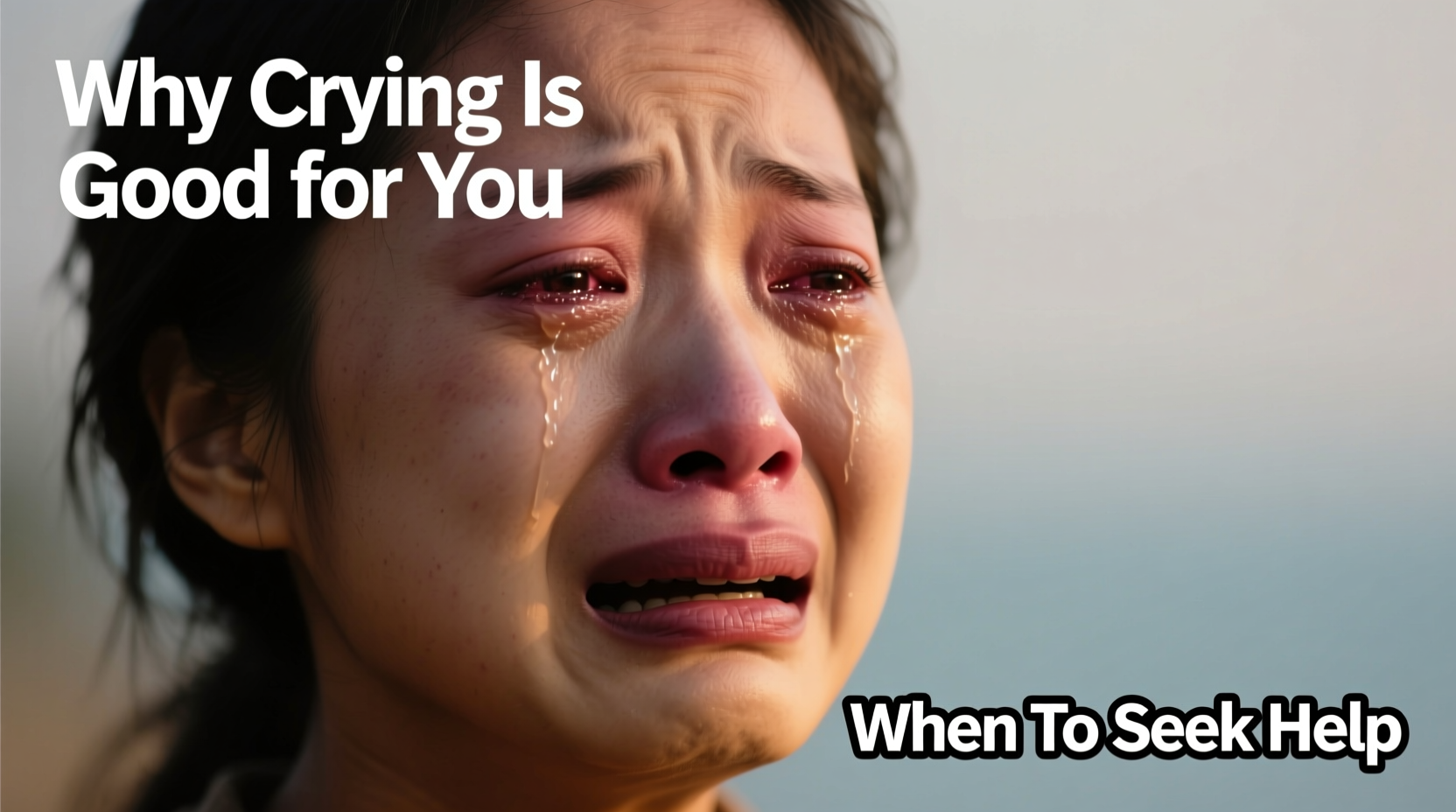
Tears are more than just water. They come in three types: basal (for lubrication), reflex (in response to irritants), and emotional. Emotional tears, triggered by feelings such as sadness, joy, or frustration, contain stress hormones like cortisol and leucine enkephalin, a natural painkiller. When we cry emotionally, our bodies release these biochemicals, effectively reducing internal stress levels.
Research from the University of Minnesota suggests that crying activates the parasympathetic nervous system, which helps the body return to a state of calm after stress. This physiological reset can lower heart rate, regulate breathing, and promote a sense of relief. In this way, crying functions as an emotional pressure valve—one that helps prevent emotional overload.
Physical and Emotional Benefits of Crying
The advantages of crying extend beyond momentary relief. Regular, healthy emotional expression through tears contributes to long-term wellness. Key benefits include:
- Stress reduction: Emotional tears flush out stress-related toxins, helping the body recover from emotional strain.
- Pain relief: The release of endorphins and enkephalins during crying can ease both physical and emotional pain.
- Improved mood: After crying, many people report feeling calmer or lighter, even if the situation hasn’t changed.
- Better sleep: Emotional release before bedtime can reduce anxiety and improve sleep quality.
- Enhanced self-awareness: Crying often signals underlying emotions, prompting introspection and personal insight.
A 2014 study published in Frontiers in Psychology found that most participants felt better after crying—especially when they received empathy or support during or after the episode. This highlights the social dimension of crying: it’s not only a personal release but also a signal for connection.
“Crying is one of the most honest forms of communication we have. It tells others, and ourselves, that something matters.” — Dr. Lauren Bylsma, Clinical Psychologist and Emotion Researcher
When Crying Becomes a Concern
While occasional crying is healthy, frequent or uncontrollable episodes may indicate an underlying issue. It’s important to distinguish between normal emotional release and signs of emotional distress. Persistent crying without a clear trigger, especially when accompanied by other symptoms, could point to conditions such as depression, anxiety, or hormonal imbalances.
Some red flags include:
- Crying daily over minor events or with no apparent cause
- Feeling unable to stop crying once it starts
- Withdrawing from social interactions due to embarrassment about crying
- Experiencing fatigue, changes in appetite, or difficulty concentrating alongside frequent tears
| Healthy Crying | Potentially Problematic Crying |
|---|---|
| Occurs in response to specific emotional events | Happens frequently without clear triggers |
| Provides a sense of relief afterward | Leads to feelings of exhaustion or shame |
| Lasts a short duration (a few minutes) | Episodes last hours or occur multiple times a day |
| Doesn't interfere with daily functioning | Impacts work, relationships, or self-care |
Real Example: Maria’s Experience
Maria, a 34-year-old teacher, began crying regularly after returning to work post-maternity leave. At first, she attributed it to tiredness. But when the tears continued for weeks—even during meetings or while grading papers—she realized something was off. She wasn’t sad, exactly, but overwhelmed and emotionally raw. After consulting her doctor, she was diagnosed with postpartum anxiety. With therapy and lifestyle adjustments, Maria learned to manage her symptoms. “I used to feel weak for crying,” she said. “Now I see it as my body’s way of telling me I needed support.”
How to Respond to Your Tears—And When to Seek Help
Not every cry requires intervention. Sometimes, simply allowing yourself to feel and release emotion is enough. But recognizing patterns and responding appropriately is key. Here’s a step-by-step approach:
- Pause and acknowledge: Instead of suppressing tears, pause and ask, “What am I feeling right now?” Naming the emotion can reduce its intensity.
- Assess context: Was the crying triggered by a specific event? Grief, frustration, or even overwhelming joy are valid reasons to cry.
- Evaluate frequency and impact: Are tears becoming disruptive? Do they happen without warning? Track your emotional patterns for a week.
- Seek support: Talk to a trusted friend, counselor, or healthcare provider if crying feels unmanageable.
- Consider professional evaluation: If symptoms persist for more than two weeks or interfere with daily life, consult a mental health professional.
FAQ
Is it unhealthy to never cry?
Not necessarily. Some people naturally express emotions in non-verbal ways. However, consistently suppressing emotions—especially grief or stress—can lead to increased anxiety or physical symptoms like headaches. Healthy emotional expression doesn’t have to involve tears, but finding constructive outlets is essential.
Can crying too much be dangerous?
Crying itself isn’t harmful, but excessive crying linked to depression, burnout, or trauma should be taken seriously. Chronic emotional distress can affect sleep, immunity, and cognitive function. If crying feels uncontrollable or isolating, professional guidance is recommended.
Do men benefit from crying as much as women?
Yes. While societal norms often discourage men from crying, the physiological benefits are identical. Men who allow themselves emotional expression often report better mental health and stronger relationships. Breaking the stigma around male vulnerability is crucial for overall well-being.
Action Checklist: Responding to Emotional Tears
- ✔ Allow yourself space to cry without judgment
- ✔ Identify the emotion behind the tears (sadness, frustration, relief)
- ✔ Practice deep breathing to regain composure if needed
- ✔ Reach out to someone supportive after intense emotional release
- ✔ Monitor frequency and triggers for at least one week
- ✔ Schedule a mental health check-in if crying interferes with daily life
Conclusion
Crying is not a flaw—it’s a feature of being human. It helps us process emotions, connect with others, and restore balance within our nervous systems. Embracing tears as a natural, beneficial response removes shame and fosters emotional intelligence. At the same time, being aware of when crying may signal deeper struggles ensures that care is sought before small issues become overwhelming. Emotional health isn’t about never crying; it’s about understanding why you cry and responding with compassion—whether that means letting the tears flow or reaching out for help.




 浙公网安备
33010002000092号
浙公网安备
33010002000092号 浙B2-20120091-4
Comments
No comments yet. Why don't you start the discussion?