
In today’s interconnected world, organizations and communities are increasingly recognizing that diversity, equity, and inclusion (DEI) are not just moral imperatives—they are strategic necessities. From corporate boardrooms to educational institutions, the integration of DEI principles fosters healthier environments, drives innovation, and strengthens social cohesion. Yet, despite growing awareness, many still question why DEI matters so deeply. The answer lies in its tangible impact on people, performance, and progress.
DEI is more than a buzzword or a compliance checkbox. It represents a commitment to creating systems where everyone—regardless of race, gender, ability, sexual orientation, or background—can contribute meaningfully and thrive. When implemented thoughtfully, DEI transforms cultures, unlocks potential, and builds resilience in the face of change.
What DEI Really Means: Breaking Down the Components
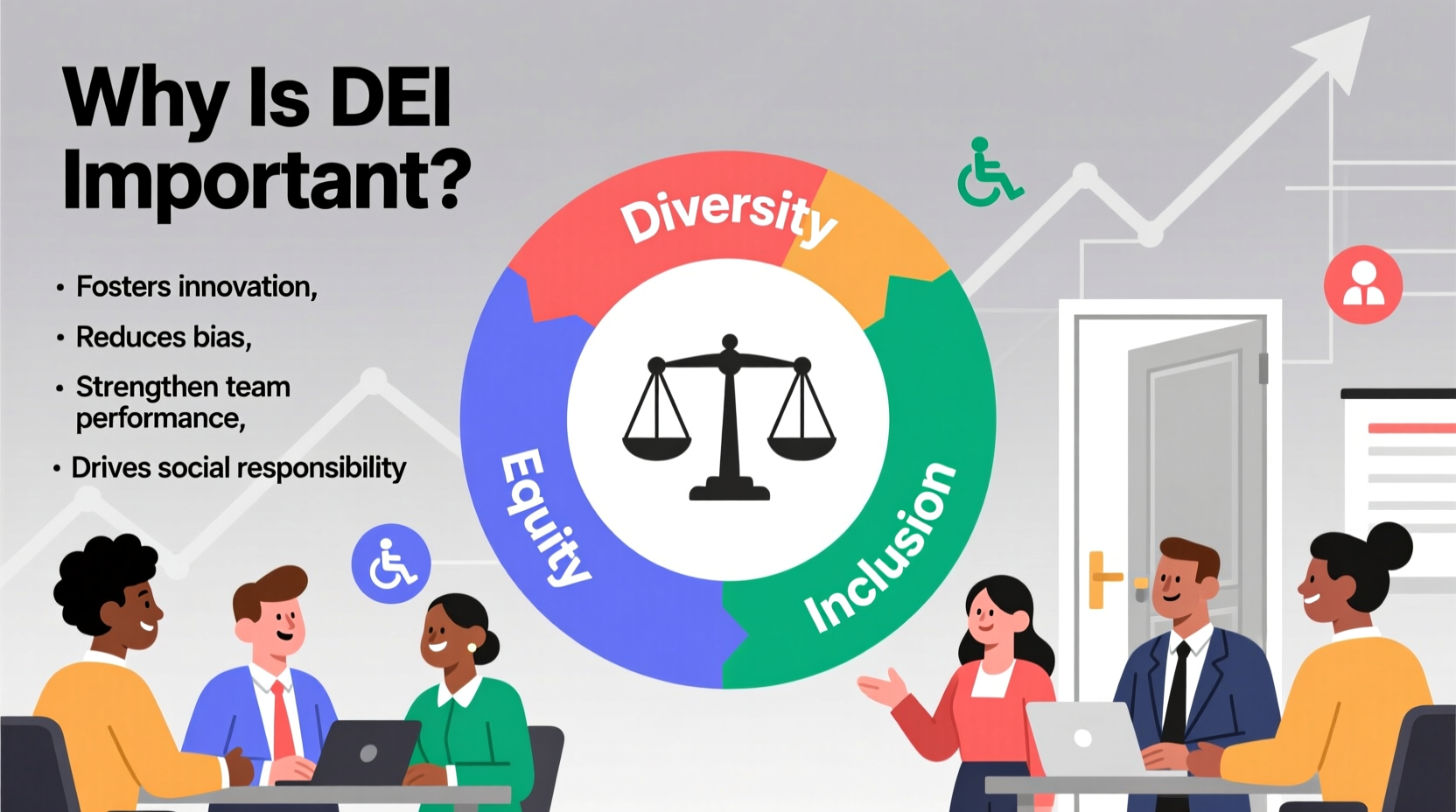
Diversity, equity, and inclusion are distinct but interdependent concepts. Understanding each one clarifies how they work together to create fairer, more dynamic environments.
- Diversity refers to the presence of differences within a given setting. This includes visible traits like race and gender, as well as invisible ones such as neurodiversity, socioeconomic background, and life experience.
- Equity is about ensuring fair treatment, access, and opportunity for all by identifying and removing barriers that have historically disadvantaged certain groups. Unlike equality, which gives everyone the same resources, equity allocates resources based on need.
- Inclusion is the practice of making people feel valued, respected, and supported. A diverse workplace isn’t truly inclusive unless individuals can bring their full selves to work without fear of judgment or exclusion.
Together, these three elements form a framework for building environments where talent flourishes regardless of identity.
The Business and Social Case for DEI
Organizations that prioritize DEI consistently outperform their peers. Research from McKinsey & Company shows that companies in the top quartile for ethnic and cultural diversity on executive teams were 36% more likely to outperform on profitability. Gender-diverse executive teams were 25% more likely to see above-average profitability.
Beyond financial metrics, DEI enhances decision-making. Diverse teams draw from a wider range of perspectives, reducing groupthink and improving problem-solving. For example, a team with varied cultural backgrounds may anticipate global market needs more effectively than a homogenous one.
Socially, DEI contributes to trust and legitimacy. Institutions perceived as fair and representative earn greater public confidence. In education, equitable access improves graduation rates among underrepresented students. In healthcare, culturally competent care leads to better patient outcomes.
“Diversity is being invited to the party. Inclusion is being asked to dance.” — Verna Myers, DEI Advocate and Author
Common Barriers to Effective DEI Implementation
Despite good intentions, many DEI initiatives fail due to common pitfalls:
| Barrier | Description | Solution |
|---|---|---|
| Lack of Accountability | DEI goals exist without assigned ownership or measurable outcomes. | Appoint DEI officers and tie progress to leadership performance reviews. |
| Tokenism | Individuals from marginalized groups are included for appearance rather than influence. | Ensure diverse voices have decision-making power and mentorship opportunities. |
| One-Size-Fits-All Approach | Programs don’t account for intersectionality or unique community needs. | Customize strategies based on employee feedback and demographic data. |
| Resistance to Change | Employees perceive DEI as threatening or unnecessary. | Provide education on unconscious bias and highlight shared benefits. |
Overcoming these challenges requires sustained effort, transparency, and willingness to listen and adapt.
Real-World Impact: A Mini Case Study
Consider TechNova, a mid-sized software company that struggled with high turnover among women and employees of color. After conducting an internal audit, leadership discovered that promotion pathways were opaque and informal networks dominated advancement decisions.
The company launched a multi-year DEI strategy that included:
- Establishing clear, competency-based promotion criteria.
- Creating employee resource groups (ERGs) for Black, LGBTQ+, and disabled staff.
- Implementing mandatory unconscious bias training for managers.
- Partnering with HBCUs and coding bootcamps to diversify hiring pipelines.
Within two years, TechNova saw a 40% increase in retention among underrepresented employees and a 30% rise in applications from diverse candidates. More importantly, employee engagement scores improved across the board, indicating a stronger sense of belonging.
Actionable Steps to Build a Stronger DEI Culture
Building a meaningful DEI culture doesn’t happen overnight. It requires intentionality and consistent action. Here’s a practical checklist to get started:
- Conduct a DEI audit to assess current demographics, policies, and employee sentiment.
- Set specific, measurable goals (e.g., “Increase leadership diversity by 20% in three years”).
- Train all employees on inclusive communication and bystander intervention.
- Routinely collect anonymous feedback through surveys or focus groups.
- Ensure pay equity through regular compensation reviews.
- Support ERGs with funding, executive sponsorship, and meeting time.
- Revise job descriptions to use inclusive language and remove unnecessary credential barriers.
- Publish annual DEI reports to maintain transparency and accountability.
FAQ: Common Questions About DEI
Isn’t diversity just about hiring more people from different backgrounds?
No. While hiring is a starting point, true diversity includes retaining and advancing diverse talent. Equity ensures fair access to growth opportunities, and inclusion determines whether people feel safe and respected. Without all three, diversity efforts remain superficial.
Does focusing on DEI mean lowering standards?
Not at all. DEI is about expanding the pool of qualified candidates and removing systemic biases in evaluation processes. It ensures that talent is assessed fairly, not filtered out due to unconscious preferences or structural inequities.
How do we measure the success of DEI initiatives?
Success can be measured through both quantitative and qualitative metrics: employee retention rates by demographic group, promotion equity, engagement survey results, representation at leadership levels, and anecdotal feedback from staff about psychological safety.
Conclusion: Why DEI Is Non-Negotiable for the Future
Diversity, equity, and inclusion are not optional add-ons—they are foundational to ethical leadership and sustainable success. Organizations that embrace DEI foster innovation, attract top talent, and build deeper connections with their communities. More importantly, they contribute to a society where fairness isn’t an exception but the norm.
The journey toward genuine inclusion requires courage, humility, and persistence. It means confronting uncomfortable truths, rethinking established practices, and centering the voices of those who have been marginalized. But the rewards—greater creativity, stronger teams, and a more just world—are worth the effort.




 浙公网安备
33010002000092号
浙公网安备
33010002000092号 浙B2-20120091-4
Comments
No comments yet. Why don't you start the discussion?