
If you’ve stepped outside in Denver recently and noticed a thick, grayish veil hanging over the skyline, you’re not alone. The city has experienced periods of visible haze that reduce visibility, irritate lungs, and raise concerns about long-term exposure. This haze is typically caused by wildfire smoke drifting into the region from nearby states or local fire activity. Understanding why the air looks this way—and how it affects your health—is essential for anyone living in or visiting the Front Range.
Denver’s high elevation and unique topography make it particularly susceptible to air stagnation and the accumulation of pollutants. When regional wildfires burn in Colorado, New Mexico, California, or even British Columbia, wind patterns can carry smoke plumes hundreds of miles, settling over the metro area. In recent years, these events have become more frequent and intense due to climate change, prolonged droughts, and earlier snowmelt.
What’s Causing the Haze Over Denver?
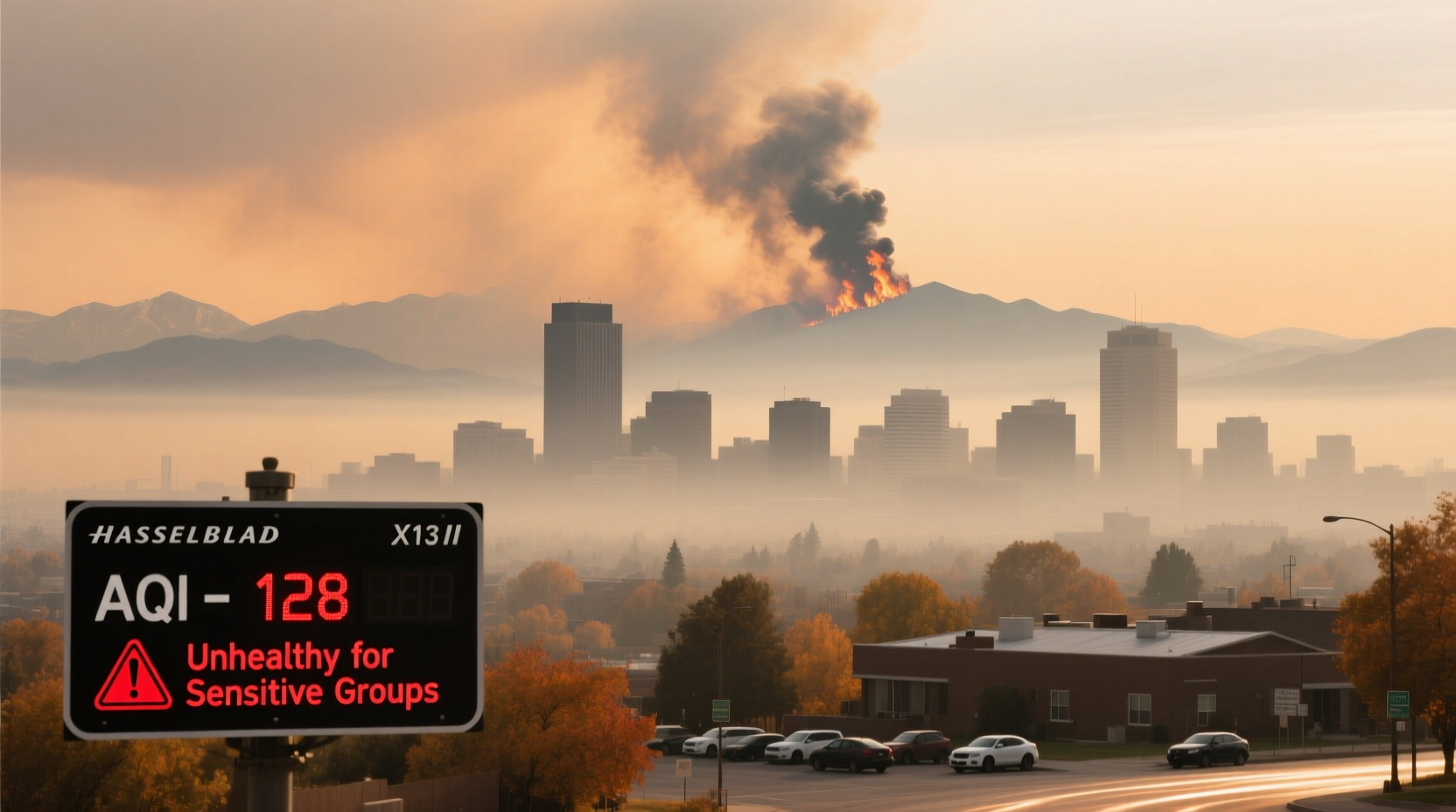
The primary culprit behind Denver’s current haze is wildfire smoke. Satellite imagery and air mass trajectory models consistently show that most particulate matter (PM2.5) entering the region originates from active fires in the western U.S. These microscopic particles scatter sunlight, creating the milky, overcast appearance even on otherwise clear days.
In addition to distant wildfires, local factors contribute:
- Temperature inversions: Cold air traps pollutants near the ground, especially during mornings and evenings.
- Traffic emissions: Vehicle exhaust adds nitrogen oxides and volatile organic compounds, which can react with smoke to form secondary pollutants.
- Dust storms: Though less common, dry conditions can stir up dust from eastern plains, worsening visibility.
During peak fire season—typically July through October—the combination of dry fuels, strong winds, and heat creates ideal conditions for large blazes. Once ignited, these fires release massive amounts of smoke that travel with prevailing westerly winds directly into Colorado’s populated corridors.
Air Quality Index (AQI): What the Numbers Mean
The Air Quality Index (AQI) is a standardized scale used by the Environmental Protection Agency (EPA) to communicate how clean or polluted the air is. It ranges from 0 to 500, with higher values indicating greater health risks. PM2.5—fine inhalable particles smaller than 2.5 micrometers—is the main pollutant measured during smoke events.
| AQI Range | Category | Health Implications | Recommended Actions |
|---|---|---|---|
| 0–50 | Good | Minimal risk | Normal outdoor activities safe |
| 51–100 | Moderate | Unusually sensitive individuals should consider limiting prolonged exertion | Monitor symptoms if prone to respiratory issues |
| 101–150 | Unhealthy for Sensitive Groups | Children, older adults, and people with heart or lung disease should reduce prolonged/heavy exertion | Avoid extended outdoor workouts |
| 151–200 | Unhealthy | Everyone may begin to experience health effects; sensitive groups should avoid all outdoor exertion | Stay indoors, use air purifiers |
| 201–300 | Very Unhealthy | Serious health effects possible; everyone should avoid outdoor activity | Seal windows, limit ventilation |
On hazy days in Denver, AQI readings often climb into the 100–180 range, placing air quality in the “Unhealthy for Sensitive Groups” to “Unhealthy” categories. Real-time data is available via the EPA’s AirNow.gov website or apps like IQAir and Plume Labs.
Protecting Yourself During Smoke Events
Wildfire smoke contains a mix of gases and fine particles that can penetrate deep into the lungs and even enter the bloodstream. Short-term exposure may cause coughing, wheezing, and eye irritation. Long-term or repeated exposure increases the risk of chronic bronchitis, reduced lung function, and cardiovascular strain.
“Fine particulate matter from wildfire smoke poses significant respiratory risks, especially for vulnerable populations. Proactive protection is no longer optional—it’s necessary.” — Dr. Lena Patel, Pulmonary Specialist at National Jewish Health, Denver
To minimize health impacts, follow these steps:
Step-by-Step Guide: Managing Indoor Air During Smoke Episodes
- Close windows and doors to prevent outdoor smoke from entering.
- Use a HEPA air purifier in frequently used rooms (bedrooms, living areas).
- Avoid indoor pollution sources such as candles, gas stoves, or vacuuming without a HEPA filter.
- Set HVAC systems to recirculate mode and ensure filters are MERV 13 or higher.
- Monitor air quality hourly using trusted platforms like AirNow or PurpleAir sensors.
- Limit outdoor physical activity, especially when AQI exceeds 100.
Real-Time Smoke Sources & Forecast Trends
As of the latest satellite and meteorological data, major contributing fires include the Black Fire in southern New Mexico and several lightning-caused blazes in northern California and Oregon. Upper-level wind patterns are currently transporting smoke eastward across the Rockies, where it descends into the Denver basin under stable atmospheric conditions.
The National Weather Service forecasts continued stagnant air through midweek, with little chance of rain or strong winds to disperse the haze. Temperatures in the 80s to low 90s °F will maintain thermal inversions overnight, trapping smoke near the surface.
Residents should expect:
- Reduced visibility, especially in the mornings
- Elevated AQI levels (110–160) throughout the week
- Strong smell of smoke in outdoor environments
- Potential school recess modifications or cancellation of outdoor events
Mini Case Study: Boulder Family Reduces Exposure During Peak Smoke Week
The Thompson family in Boulder noticed their youngest child developing persistent coughing during a two-week stretch of hazy skies in August 2023. After checking local AQI readings—which peaked at 178—they consulted their pediatrician and implemented immediate changes.
They installed a HEPA air purifier in the child’s bedroom, sealed window gaps with tape, and shifted exercise routines to early afternoon when dispersion was slightly better. They also began using an N95 mask during brief outdoor trips. Within four days, the child’s symptoms improved significantly.
Their proactive approach highlights how small behavioral and environmental adjustments can yield measurable health benefits—even during severe air quality episodes.
Frequently Asked Questions
Is it safe to exercise outdoors when Denver is hazy?
No, it is not recommended when AQI exceeds 100. Exercising increases breathing rate, drawing more pollutants deep into the lungs. Opt for indoor workouts or wait until air quality improves.
Do face masks help during smoke events?
Cloth and surgical masks offer little protection. Only properly fitted N95 or KN95 respirators filter out PM2.5 particles effectively. Ensure the mask seals tightly around your nose and chin.
Will rain clear the haze?
Yes, sustained rainfall helps wash particulates out of the air. However, light showers may not be enough to break temperature inversions or remove elevated smoke layers. Thunderstorms can sometimes worsen air quality temporarily by stirring up dust or ozone precursors.
Checklist: What to Do When Denver Air Is Hazy
- ✅ Check the daily AQI on AirNow.gov or a reliable app
- ✅ Keep windows and doors closed
- ✅ Run a HEPA air purifier indoors
- ✅ Avoid smoking, grilling, or burning candles inside
- ✅ Limit time outdoors, especially for children and seniors
- ✅ Wear an N95 mask if going outside is unavoidable
- ✅ Stay hydrated and monitor respiratory symptoms
Conclusion: Stay Informed, Stay Protected
Hazy skies over Denver are no longer rare anomalies—they are increasingly common features of summer and early fall. While you can’t control wildfires or weather patterns, you can take meaningful steps to protect your health and that of your family. By monitoring air quality, improving indoor filtration, and adjusting daily routines, you reduce your exposure and build resilience against recurring smoke events.




 浙公网安备
33010002000092号
浙公网安备
33010002000092号 浙B2-20120091-4
Comments
No comments yet. Why don't you start the discussion?