
In a world defined by uncertainty and rapid change, dependability stands as a cornerstone of lasting success. Whether in personal relationships, workplace dynamics, or organizational leadership, the ability to be counted on consistently fosters trust, stability, and progress. Dependability is more than just showing up on time or completing tasks—it’s about cultivating a reputation for reliability, integrity, and follow-through. This article explores the multifaceted importance of dependability, illustrating how it shapes individual character, strengthens teams, and drives sustainable achievement.
The Foundation of Trust in Relationships
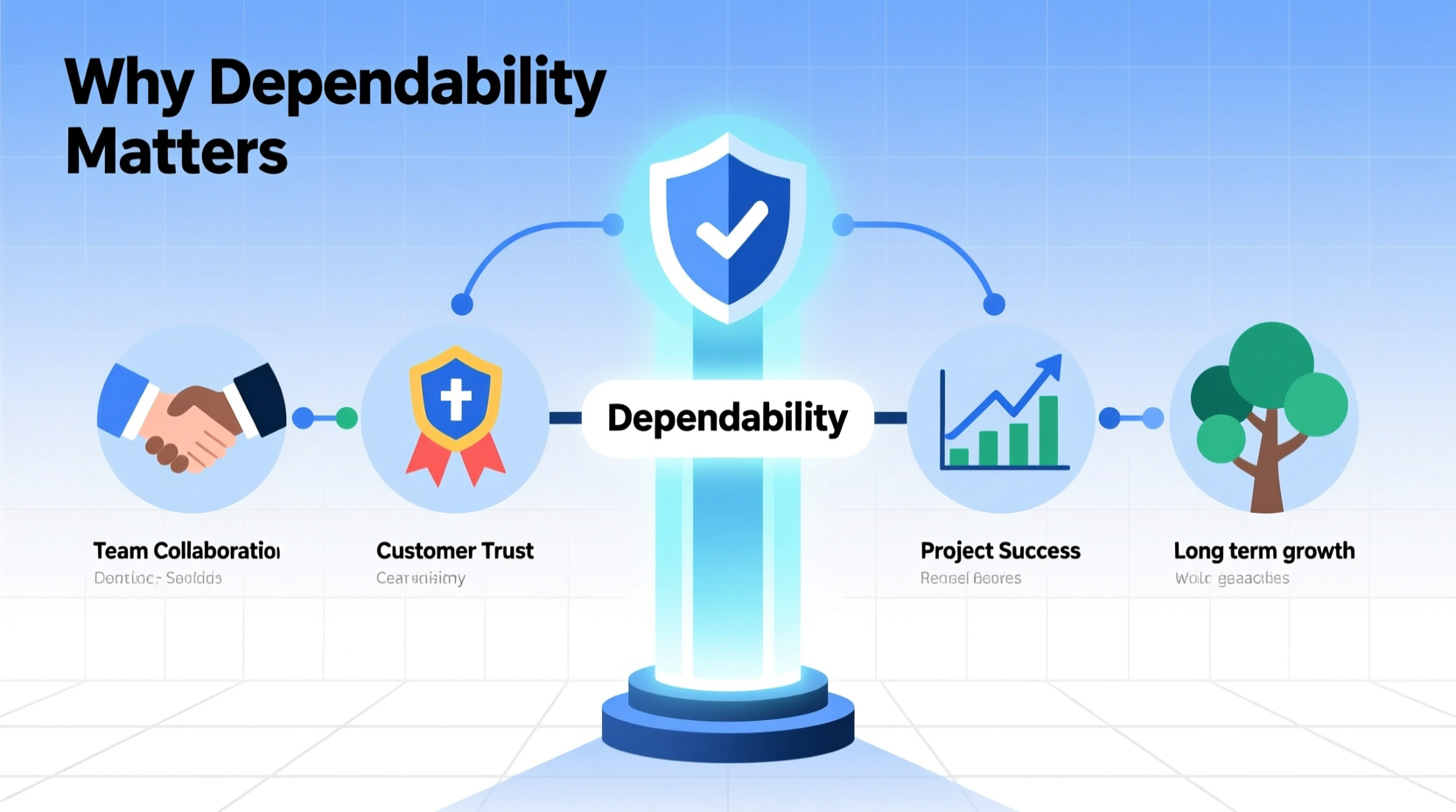
At its core, dependability is the bedrock of trust. When individuals know they can rely on someone to honor commitments, respond promptly, and act with integrity, deeper connections form. In personal relationships—be they friendships, family bonds, or romantic partnerships—dependability creates emotional safety. A partner who consistently supports during difficult times, a friend who keeps promises, or a parent who follows through on responsibilities all contribute to a sense of security.
In professional settings, this same principle applies. Colleagues are more likely to collaborate with team members they perceive as dependable. Managers assign critical projects to those who have demonstrated consistency, not just talent. As Stephen R. Covey observed:
“Trust is the glue of life. It’s the most essential ingredient in effective communication. It’s the foundational principle that holds all relationships.” — Stephen R. Covey
Without dependability, trust erodes. Broken promises, missed deadlines, and inconsistent behavior signal unreliability, leading to skepticism and disengagement.
Dependability as a Career Accelerator
In the workplace, technical skills and intelligence open doors—but dependability keeps them open. Employers value employees who deliver quality work on time, communicate proactively, and take ownership of their responsibilities. Such individuals become go-to resources, often entrusted with greater autonomy and leadership opportunities.
A 2022 LinkedIn Workplace Learning Report found that soft skills like reliability and accountability rank among the top traits employers seek when promoting internal candidates. Why? Because dependable employees reduce operational friction. They minimize the need for micromanagement, enhance team cohesion, and contribute to a culture of accountability.
How Dependability Influences Leadership
Effective leaders are not just visionary—they are reliable. Teams look to leaders not only for direction but also for consistency in actions and decisions. A leader who changes priorities abruptly, fails to follow through on promises, or communicates inconsistently breeds confusion and disengagement.
Conversely, dependable leaders create environments where employees feel secure taking initiative. They know expectations are clear, support is available, and feedback will be timely. This predictability fosters psychological safety—a key driver of innovation and high performance, as highlighted in Google’s Project Aristotle.
Organizational Reliability and Customer Loyalty
Dependability extends beyond individuals to entire organizations. Brands known for consistent product quality, responsive customer service, and ethical practices build loyal customer bases. Consider companies like Amazon, Toyota, or Patagonia—each has cultivated trust through years of predictable, high-quality performance.
When customers know what to expect, they’re more likely to return. A study by PwC revealed that 73% of consumers cite experience as a key factor in purchasing decisions, with reliability being a major component. One negative experience—such as a delayed delivery or unresponsive support—can undo years of positive impressions.
| Aspect | Dependable Practice | Unreliable Practice |
|---|---|---|
| Customer Service | 24-hour response guarantee | Delayed or inconsistent replies |
| Product Delivery | On-time shipping with tracking | Frequent delays without notice |
| Communication | Transparent updates during disruptions | Silence or vague messaging |
Building Personal Dependability: A Step-by-Step Guide
Becoming more dependable is not an overnight transformation but a series of intentional habits. Here’s a practical timeline to strengthen reliability in daily life:
- Assess Current Habits (Week 1): Reflect on past commitments. Identify patterns of missed deadlines or broken promises. Journal insights to pinpoint root causes—overcommitment, poor planning, or lack of prioritization.
- Set Clear Boundaries (Week 2–3): Learn to say no when necessary. Overpromising leads to underdelivering. Only commit to what you can realistically achieve.
- Use Tools for Accountability (Ongoing): Leverage calendars, task managers (e.g., Todoist, Trello), and reminders to track obligations. Schedule buffer time for unexpected delays.
- Communicate Proactively (Daily Habit): If a deadline is at risk, inform stakeholders early. Transparency preserves trust even when setbacks occur.
- Review and Improve (Monthly): Conduct self-audits. Ask peers or supervisors for feedback on reliability. Adjust strategies based on input.
Real-World Example: The Power of Consistency
Consider the case of Maria, a mid-level project manager at a tech startup. Despite having strong technical skills, she was overlooked for promotion two years in a row. After seeking feedback, she learned that while her work was excellent, her inconsistency in meeting interim deadlines created bottlenecks.
Maria implemented a new system: she broke large projects into weekly milestones, shared progress updates every Friday, and flagged risks early. Within six months, her team’s project completion rate improved by 40%. She was promoted shortly after, not because she worked harder, but because she became more predictable and trustworthy.
This mini case study illustrates a vital truth: excellence matters, but consistency compounds its impact.
Common Pitfalls That Undermine Dependability
- Overcommitting: Saying yes too often leads to spreading oneself too thin, resulting in missed obligations.
- Poor Time Management: Failing to estimate task duration accurately causes last-minute rushes or delays.
- Lack of Communication: Staying silent when facing obstacles makes others feel blindsided.
- Inconsistent Standards: Delivering high-quality work one week and subpar results the next damages credibility.
Checklist: Traits of a Dependable Person
To assess or cultivate dependability, use this actionable checklist:
- ✅ Meets deadlines consistently
- ✅ Communicates proactively about delays or issues
- ✅ Follows through on verbal and written commitments
- ✅ Takes responsibility for mistakes
- ✅ Maintains composure under pressure
- ✅ Keeps information confidential when required
- ✅ Delivers consistent quality, not just occasional excellence
Frequently Asked Questions
Can someone be talented but still undependable?
Yes. Talent alone is insufficient without reliability. A brilliant employee who frequently misses deadlines or fails to collaborate undermines team effectiveness. Organizations increasingly prioritize dependable performers over erratic high-flyers because consistency drives sustainable outcomes.
How do I rebuild dependability after breaking trust?
Rebuilding trust requires time and deliberate action. Start by acknowledging the lapse, apologizing sincerely, and outlining specific steps to prevent recurrence. Then, demonstrate change through consistent behavior over weeks or months. Small, reliable actions—like responding to emails within 24 hours—accumulate to restore credibility.
Is dependability more important than innovation?
Both are valuable, but dependability enables innovation. Teams that trust each other’s reliability are more willing to take creative risks. Conversely, chaotic environments where basics aren’t handled stifle innovation. Think of dependability as the foundation; innovation is the structure built upon it.
Conclusion: Make Dependability Your Signature Strength
Dependability is not glamorous, but it is indispensable. It operates quietly behind the scenes, enabling trust, efficiency, and long-term success. In personal life, it deepens relationships. In careers, it opens doors. In organizations, it builds loyalty and resilience.
The good news? Dependability is a skill, not a fixed trait. With intention, reflection, and consistent practice, anyone can strengthen it. Begin today—honor a small commitment, communicate clearly, or simply show up on time. Over time, these acts accumulate into a reputation that speaks volumes.




 浙公网安备
33010002000092号
浙公网安备
33010002000092号 浙B2-20120091-4
Comments
No comments yet. Why don't you start the discussion?