
Dragonite stands as one of the most beloved Pokémon in the franchise, not just for its power but for its unmistakable appearance—most notably, its vibrant orange hide. But why is Dragonite orange? And how did this flying serpentine creature evolve from a sleek blue Dragonair into a warm-toned, benevolent powerhouse? The answer lies in more than just color theory; it's rooted in design philosophy, cultural symbolism, and the creative vision behind Pokémon’s early generations.
From its debut in 1996 in Pokémon Red and Blue to its modern appearances in games, anime, and merchandise, Dragonite has undergone subtle but meaningful shifts in aesthetic. Understanding its transformation offers insight into how visual storytelling shapes character identity in one of the world’s most enduring franchises.
The Origins of Dragonite: From Concept to Final Design
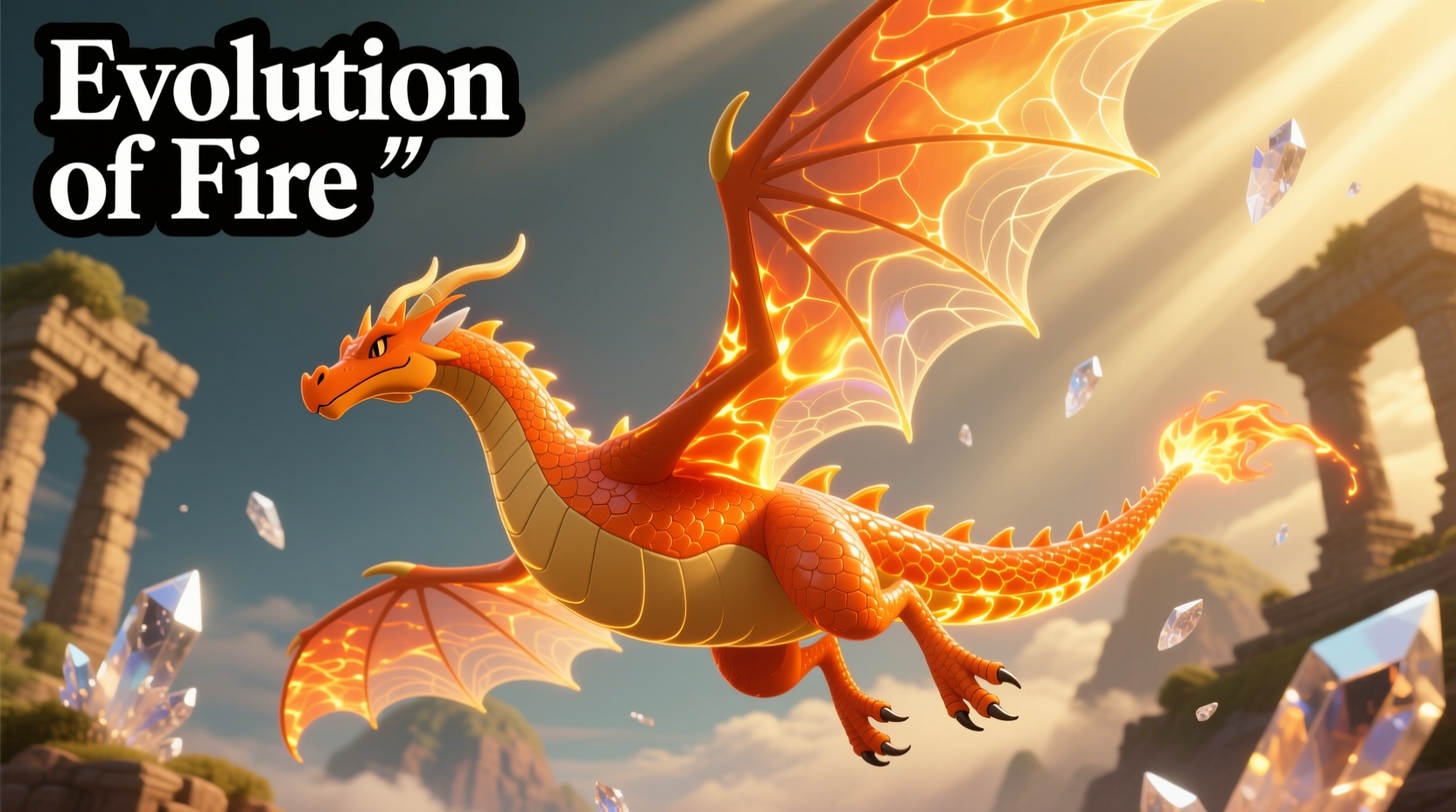
Designed by Ken Sugimori, Dragonite emerged as the final evolution of Dratini, a chain that begins with a small, serpentine Pokémon inspired by Chinese dragons and sea creatures. Dratini is pale blue, symbolizing purity and potential. Dragonair, its middle stage, retains that cool tone but gains mystical energy ribbons, suggesting an otherworldly nature. Then comes Dragonite—a dramatic departure in both form and hue.
The shift to orange wasn’t arbitrary. In Japanese culture, orange often represents courage, warmth, and transformation. It’s a color associated with autumn, change, and vitality—perfect for a Pokémon that evolves from a mystical serpent into a compassionate guardian. Unlike many aggressive dragon-types, Dragonite is known in lore for rescuing shipwrecked sailors and protecting forests. Its orange skin visually communicates approachability and kindness, contrasting with the darker, more menacing reds or blacks used for villainous dragons.
Sugimori’s original hand-drawn artwork emphasized soft curves, rounded limbs, and a friendly expression. Even in its earliest pixelated form on the Game Boy, Dragonite exuded a gentle presence. The orange coloring helped distinguish it from Western dragon archetypes, which are typically green or red and portrayed as destructive forces.
Design Evolution Across Generations
Dragonite’s core design has remained remarkably consistent, but each generation has refined its look to match advancing technology and evolving artistic standards.
- Generation I (1996–1999): Pixelated and limited by 8-bit graphics, Dragonite appeared bulky with blocky features. Its orange was rendered as a reddish-brown due to palette constraints, but intent was clear.
- Generation II (1999–2002): With higher resolution sprites in Gold and Silver, Dragonite gained smoother contours and brighter orange tones. The wings became more defined, and its eyes more expressive.
- Generation III (2002–2006): Ruby and Sapphire introduced full-color sprites. Dragonite’s orange became warmer and more saturated, emphasizing its friendly demeanor. Shading added depth to its body.
- Generation IV (2006–2010): Diamond and Pearl brought dynamic animations. Dragonite now had fluttering movements, reinforcing its aerial grace. The orange hue remained consistent, now with gradient highlights.
- Generation V onward: Fully 3D models in Black/White and later titles allowed for realistic lighting. Dragonite’s skin gained texture—subtle scales and a leathery sheen—while maintaining its signature orange.
- Sword & Shield / Scarlet & Violet: Modern iterations feature detailed fur around the neck and more lifelike musculature, but the orange base remains untouched—a testament to its iconic status.
Cultural and Artistic Influences
Dragonite draws inspiration from Eastern mythology, particularly the *long* or Chinese dragon—benevolent, wise, and associated with water and weather. Unlike European dragons, these beings are protectors, not destroyers. The orange color aligns with traditional depictions of celestial dragons in art, often shown in gold or amber tones to signify divine energy.
In addition, the choice of orange may reflect the “warm dragon” archetype found in fantasy literature and animation. Think of Falkor from *The NeverEnding Story* or Mushu from *Mulan*—smaller, kind-hearted dragons who defy the monstrous stereotype. Dragonite fits this mold perfectly.
“Dragonite was never meant to be feared. We wanted a dragon that felt like a friend. The color orange made that possible.” — Atsuko Nishida, former Pokémon designer (paraphrased from 2007 interview)
Why Orange Works: Psychology and Brand Identity
Color psychology plays a crucial role in character design. Orange is energetic yet welcoming. It conveys enthusiasm without aggression, making it ideal for a Pokémon that’s powerful but gentle. This duality is central to Dragonite’s appeal—it can sweep teams in battle, yet in the anime, it’s shown playing with children or helping lost travelers.
From a branding perspective, consistency matters. While other Pokémon like Charizard have seen color variations (e.g., shiny forms), Dragonite’s orange has remained stable. This reinforces recognition. Fans instantly identify it, even in silhouette. Compare this to Garchomp, whose design shifted significantly from Generation IV to later entries—altering perception and memorability.
| Pokémon | Primary Color | Emotional Tone | Design Consistency |
|---|---|---|---|
| Dragonite | Orange | Warm, Friendly, Powerful | High – minimal changes |
| Charizard | Red | Aggressive, Fiery | Moderate – multiple redesigns |
| Gyarados | Red | Furious, Intimidating | Medium – evolved form drastically different |
| Dialga | Blue/Silver | Majestic, Mysterious | High – consistent metallic theme |
This consistency strengthens Dragonite’s brand identity across media. Whether in a competitive battle or a children’s cartoon, its orange form signals reliability and heroism.
Mini Case Study: Dragonite in the Anime
No example better illustrates the impact of Dragonite’s design than its recurring role in the Pokémon anime. One of the most memorable arcs features a flock of Dragonite protecting an island, led by a wise elder. These Dragonite use their powers to heal injured Pokémon and guide storms away from villages. Their orange bodies glow in the sunlight, creating a visual metaphor for hope.
In contrast, when a genetically altered “Super-Aggressive” Dragonite appears in a lab experiment, its color is unchanged—but its posture, eye shape, and movement make it feel alien. Viewers instinctively reject it, not because of color, but because it violates the established visual language. The episode reinforces that Dragonite’s orange hue isn’t just cosmetic; it’s part of a larger narrative contract between the character and the audience.
Checklist: How to Appreciate Pokémon Design Evolution
- Observe color choices and their cultural meanings
- Track changes in proportions and facial expressions over time
- Consider the Pokémon’s lore and personality alignment
- Analyze how technological advances affect visual fidelity
- Compare official artwork across mainline games
- Note consistency—or deviation—in key traits like color and shape
FAQ
Is Dragonite’s orange color related to its typing?
Not directly. Dragonite is Dragon/Flying-type, and while many Flying-types are white or gray, color in Pokémon is more about character identity than type association. Its orange hue emphasizes warmth and heroism rather than elemental affiliation.
Has Dragonite ever been a different color officially?
In its Shiny form, Dragonite is blue—a reversal of its standard orange. This rare variant underscores how vital color is to its identity; seeing a blue Dragonite feels surprising, even uncanny, to longtime fans.
Could Dragonite have been designed differently?
Early concept sketches show a more draconic, winged lizard with spikes and a darker palette. The team deliberately softened the design, opting for orange to make it more appealing to younger audiences and to differentiate it from typical fantasy dragons.
Conclusion: Embracing the Legacy of an Icon
Dragonite’s orange color is far more than a stylistic choice—it’s a narrative device, a psychological signal, and a cultural statement. Over nearly three decades, that vibrant hue has remained a constant through technological upgrades, artistic shifts, and global expansion. It tells us that strength doesn’t require menace, and power can coexist with kindness.
As Pokémon continues to evolve, characters like Dragonite remind us that great design isn’t just about looking cool—it’s about feeling right. The next time you see Dragonite soaring across a game screen or helping a trainer in need, notice how its orange body catches the light. That color isn’t accidental. It’s intentional. It’s meaningful. And it’s unforgettable.




 浙公网安备
33010002000092号
浙公网安备
33010002000092号 浙B2-20120091-4
Comments
No comments yet. Why don't you start the discussion?