
In every functioning democracy, the rule of law depends not just on laws themselves, but on how those laws are applied. At the heart of this principle lies due process—a legal safeguard that ensures fairness, transparency, and accountability in both criminal and civil proceedings. Without due process, individuals could be deprived of life, liberty, or property without justification or recourse. Understanding its importance isn’t just for legal professionals; it’s essential knowledge for every citizen navigating modern society.
What Is Due Process?
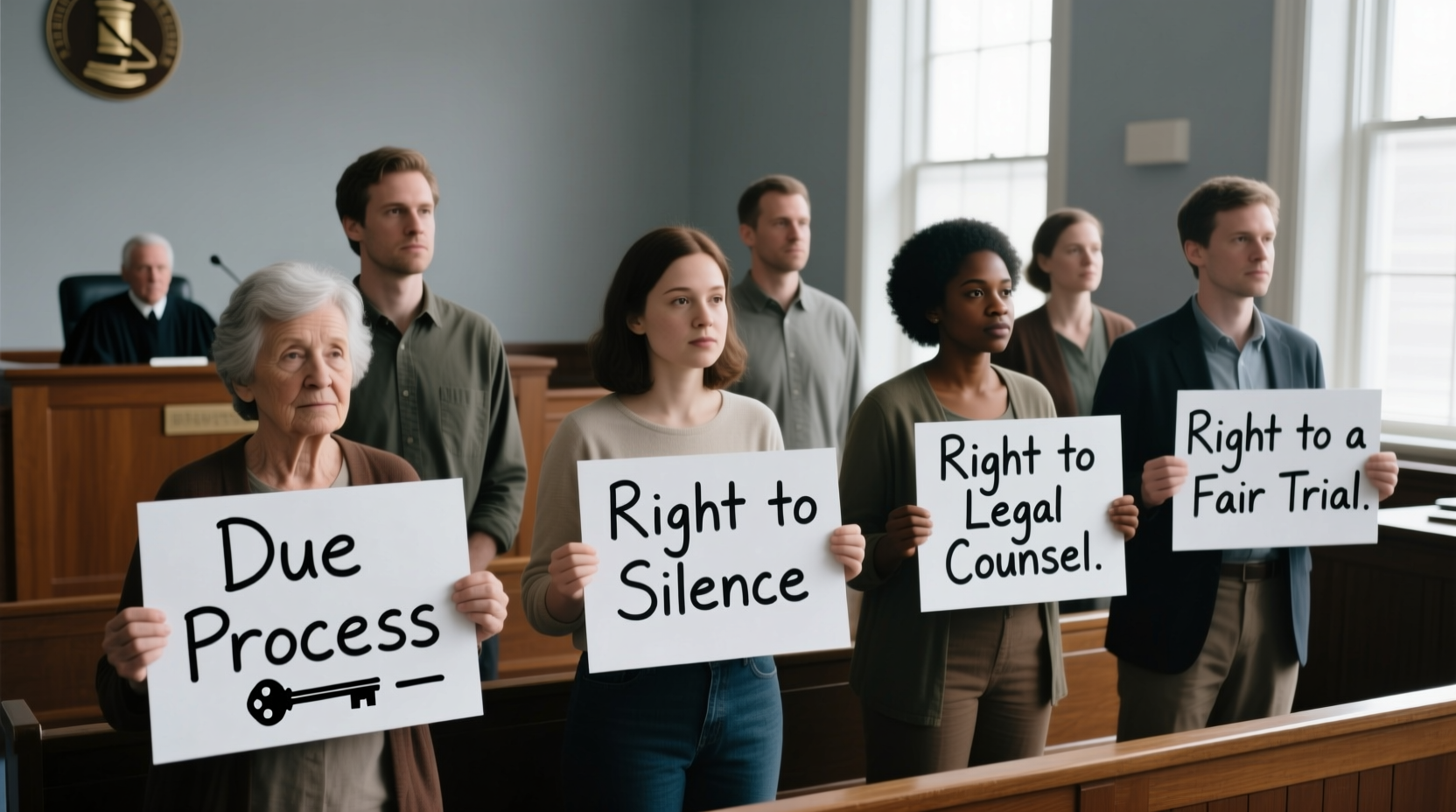
Due process refers to the constitutional guarantee that the government must respect all legal rights owed to a person before enforcing any action that affects their freedom, property, or legal standing. Rooted in the Fifth and Fourteenth Amendments of the U.S. Constitution, due process exists in two forms: procedural and substantive.
Procedural due process focuses on the methods used by the government—ensuring fair procedures such as notice, a hearing, an impartial decision-maker, and the right to appeal. For example, if someone faces eviction, they have the right to be notified and to present their case in court before being removed from their home.
Substantive due process, on the other hand, protects fundamental rights from government interference—even if proper procedures are followed. This includes rights like privacy, marriage, and bodily autonomy, which courts have interpreted as essential liberties protected under the Constitution.
The Historical Foundation of Due Process
The concept of due process dates back centuries. Its origins can be traced to the Magna Carta of 1215, where English barons forced King John to acknowledge that even the monarch was subject to the law. Clause 39 stated: “No free man shall be seized or imprisoned... except by the lawful judgment of his peers or by the law of the land.” This idea evolved into what we now recognize as due process.
When the United States was founded, the Framers embedded similar protections into the Constitution. The Fifth Amendment (1791) declared that no person shall “be deprived of life, liberty, or property, without due process of law,” applying initially only to federal actions. Later, after the Civil War, the Fourteenth Amendment extended this protection to state governments, ensuring that no state could undermine individual rights through arbitrary or unjust procedures.
“Due process is not a mere formality—it is the shield that guards citizens against the unchecked power of the state.” — Justice Ruth Bader Ginsburg
Why Due Process Matters in Everyday Life
Due process is not limited to high-profile criminal trials. It plays a critical role in numerous aspects of daily living, often in ways people don’t immediately recognize.
Consider administrative hearings, such as those involving Social Security benefits, student disciplinary actions, or professional licensing boards. In each case, individuals are entitled to fair treatment—including advance notice, a chance to present evidence, and a reasoned decision. Without these safeguards, decisions could be made arbitrarily, favoring connections over facts.
In the workplace, employees facing termination for cause—especially in public-sector jobs—have due process rights. They must be informed of the allegations, given an opportunity to respond, and judged by an impartial authority. Private employees may not always have the same constitutional protections, but many industries follow due process principles to ensure fairness and reduce liability.
Real-World Example: A Teacher’s Suspension
Ms. Linda Tran, a tenured high school teacher in Ohio, was suspended following anonymous accusations of inappropriate communication with a student. The district moved quickly to remove her from the classroom without providing specific details or allowing her to confront the accuser. With the help of her union, she invoked her due process rights under state education law. After a formal hearing, during which evidence was reviewed and witnesses questioned, the allegations were found unsubstantiated. She was reinstated with back pay.
This case illustrates how due process prevents reputations and livelihoods from being destroyed by unverified claims. Even when concerns are serious, fairness requires verification—not assumption.
Common Threats to Due Process
Despite its foundational role, due process is not immune to erosion. Several trends pose ongoing challenges:
- Overcriminalization: Thousands of new laws and regulations create traps for individuals who unknowingly violate obscure statutes.
- Pretrial detention: Many defendants unable to afford bail remain jailed for months before trial, pressuring them into plea deals regardless of guilt.
- Surveillance expansion: Warrantless searches and data collection can bypass traditional checks on government power.
- Backlogs in courts: Delays in trials undermine the right to a speedy resolution, especially for low-income defendants.
| Threat | Impact on Due Process | Protective Measure |
|---|---|---|
| Mass incarceration | Pressures innocent people to plead guilty to avoid harsh sentences | Right to counsel, bail reform |
| Immigration enforcement | Rapid deportations without full hearings | Access to legal representation |
| Digital evidence misuse | Use of algorithms or surveillance without transparency | Judicial oversight, discovery rights |
How to Protect Your Due Process Rights
Knowing your rights is the first step toward defending them. Whether you’re dealing with law enforcement, a government agency, or a regulatory body, follow these steps to uphold due process:
- Remain calm and cooperative—but know your rights. You are not required to consent to searches without a warrant.
- Request legal counsel immediately if arrested or questioned in a criminal matter.
- Document everything: Keep records of communications, notices, and decisions affecting your rights.
- Ask for written explanations when facing penalties or denials (e.g., benefits, licenses).
- Appeal adverse decisions within the required timeframe.
Checklist: Ensuring Fair Treatment in Legal or Administrative Actions
- ✅ Did I receive clear notice of the action or accusation?
- ✅ Was I given time and opportunity to respond?
- ✅ Was the decision-maker neutral and free from bias?
- ✅ Were my arguments and evidence considered?
- ✅ Was the final decision based on facts and law?
- ✅ Do I have a right to appeal?
Frequently Asked Questions
Does due process apply to private companies?
No, the constitutional right to due process applies only to actions by government entities. However, many private employers adopt due process-like procedures in disciplinary processes to promote fairness and reduce legal risk. Union contracts and employee handbooks often include grievance mechanisms that mirror due process principles.
Can due process be waived?
Yes, individuals can voluntarily waive certain due process rights—such as the right to a jury trial or the right to remain silent—but only if the waiver is knowing, intelligent, and voluntary. Courts scrutinize waivers closely, especially in criminal cases, to ensure they weren’t coerced.
What should I do if I believe my due process rights were violated?
Document the incident thoroughly and consult an attorney. Depending on the situation, you may file a motion in court, an appeal, or a complaint with a regulatory agency. In some cases, violations can result in dismissed charges, overturned decisions, or monetary damages.
Conclusion: Stand Up for Fairness
Due process is more than a legal technicality—it is the foundation of justice in a free society. It ensures that power is balanced, rights are preserved, and decisions are made fairly. From courtroom trials to school board meetings, due process protects everyone, especially the vulnerable and voiceless.
Understanding your rights empowers you to challenge injustice when it occurs. Stay informed, speak up when procedures seem unfair, and support reforms that strengthen transparency and equity in the legal system. The strength of our democracy depends not just on laws, but on the fairness with which they are applied.




 浙公网安备
33010002000092号
浙公网安备
33010002000092号 浙B2-20120091-4
Comments
No comments yet. Why don't you start the discussion?