
Durian, often dubbed the \"king of fruits,\" commands a price that can seem staggering—especially outside Southeast Asia. A single fruit may cost as much as $50 or more in premium markets. While some view it as a luxury indulgence, others wonder what justifies such a steep cost. The answer lies not in marketing hype but in a complex web of biological, logistical, economic, and cultural factors. From its unpredictable ripening cycle to strict import regulations, every stage of durian’s journey contributes to its final price tag.
The Biology Behind Durian’s Rarity
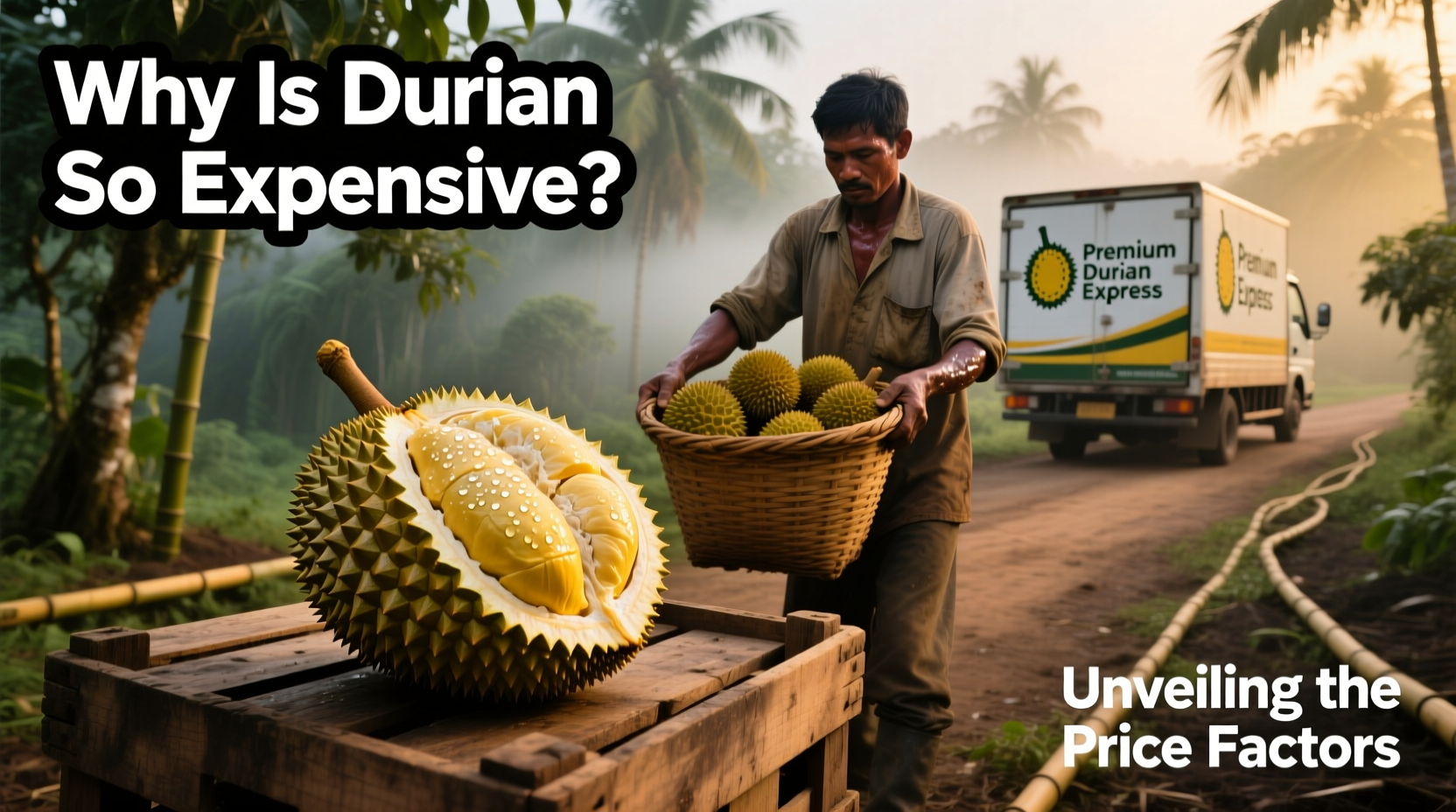
Durian trees (Durio spp.) are notoriously difficult to cultivate. Unlike apples or oranges, which grow on widely adaptable trees with consistent yields, durian trees require very specific tropical conditions: high humidity, rich soil, and consistent rainfall. They thrive only within a narrow equatorial band, primarily in Malaysia, Thailand, Indonesia, and parts of southern Vietnam.
Even under ideal conditions, durian trees take between 5 to 10 years to bear fruit for the first time. Once mature, they produce fruit only once or twice per year, depending on climate and variety. This limited harvest window creates natural scarcity. Moreover, each tree yields a relatively small number of fruits compared to other tropical crops like bananas or coconuts.
Another challenge is pollination. Durians rely heavily on nocturnal animals—particularly bats and certain species of bees—for cross-pollination. Without these natural pollinators, fruit set declines significantly. In areas where deforestation has reduced bat populations, farmers must resort to hand-pollination, a labor-intensive process that increases production costs.
Labor and Harvesting Challenges
Harvesting durian is no simple task. The fruit grows high up in towering trees, sometimes reaching over 130 feet tall. As durians ripen, they fall suddenly—often at night—and can weigh up to 7 pounds. This poses serious safety risks; uncontrolled falls have caused injuries and even fatalities.
To prevent damage and ensure quality, many farms use nets or schedule nighttime harvesting crews equipped with long poles and padding. Some estates employ climbers who scale trees to cut fruits before they drop. These labor-intensive methods increase operational costs significantly.
Once harvested, durians must be processed quickly. The flesh deteriorates rapidly in hot climates, requiring immediate refrigeration or transport. Workers must sort, clean, and package each fruit by hand, adding further to labor expenses. In countries like Malaysia, where minimum wages have risen steadily, this human cost directly impacts retail pricing.
Global Demand vs. Supply Constraints
In recent years, demand for durian—especially premium varieties like Musang King—has surged, particularly in China. Chinese consumers view durian as a status symbol, and e-commerce platforms like Alibaba and JD.com report record sales during seasonal launches.
However, supply cannot easily scale to meet this demand. Land suitable for durian farming is limited, and converting rainforest into plantations faces environmental scrutiny. Sustainable farming practices restrict expansion, keeping output constrained.
Export logistics add another layer of complexity. Fresh durian is highly perishable and banned from many public spaces due to its odor. It requires cold chain transportation, specialized packaging, and air freight for international delivery—all of which drive up costs.
| Variety | Origin | Avg. Price (USD) | Key Market |
|---|---|---|---|
| Musang King | Malaysia | $30–$50 per fruit | China, Singapore |
| Monthong | Thailand | $15–$25 per fruit | Domestic, Japan |
| Gan Yee | Singapore | $40+ per fruit | Luxury hotels |
| D101 | Indonesia | $10–$20 per fruit | Local markets |
“Durian isn’t just a fruit—it’s an experience. Consumers aren’t paying for pulp; they’re paying for rarity, tradition, and sensory intensity.” — Dr. Lin Mei Xuan, Tropical Horticulture Researcher, National University of Singapore
Post-Harvest Processing and Premium Pricing
Not all durians are sold fresh. A growing segment of the market focuses on frozen pulp, desserts, and ready-to-eat packs. These products undergo rigorous processing: depulping, flash-freezing, vacuum sealing, and quality grading. Each step requires investment in equipment, energy, and skilled labor.
Premium brands invest heavily in branding and traceability. For example, Malaysian Musang King durians are often labeled with QR codes linking to farm details, harvest dates, and Brix sugar levels. This transparency adds value and justifies higher prices, especially among discerning buyers.
Furthermore, counterfeit durians have become a problem in export markets. To combat fraud, certified farms implement blockchain tracking and third-party audits. These safeguards, while beneficial, add administrative and technological overheads passed on to consumers.
Step-by-Step: How a Premium Durian Reaches Your Table
- Tree Selection: Only mature, high-yield trees known for quality fruit are used.
- Hand Pollination: Bees are supplemented with manual pollination to boost yield.
- Night Harvest: Workers collect falling fruits using padded nets or pole cutters.
- Quality Grading: Fruits are sorted by size, husk pattern, and stem condition.
- Depulping & Freezing: Flesh is extracted and flash-frozen within hours of harvest.
- Packaging & Labeling: Vacuum-sealed packs are labeled with origin and batch info.
- Cold Chain Shipping: Products are transported via refrigerated trucks and flights.
- Retail Sale: Sold in specialty stores, luxury grocers, or online platforms.
Environmental and Regulatory Factors
Climate change is affecting durian production. Erratic monsoon patterns, prolonged droughts, and increased pest infestations threaten yields. In 2023, parts of southern Thailand reported a 30% drop in durian output due to unseasonal rains disrupting flowering cycles.
Meanwhile, importing countries impose strict phytosanitary rules. China, the largest importer, requires durian farms to be registered and inspected, ensuring freedom from pests like fruit flies. Compliance involves regular audits, pesticide testing, and certification fees—all contributing to the final price.
In urban centers like Singapore and Hong Kong, storage space is at a premium. Refrigerated warehouse costs are high, and shelf life is short. Retailers must turn inventory quickly, often marking up prices to offset risk and spoilage.
Mini Case Study: The Musang King Boom in Guangzhou
In 2022, a luxury fruit distributor in Guangzhou launched a “Durian Experience Night” featuring live-opening sessions of Malaysian Musang King durians priced at $48 each. Despite the cost, tickets sold out within hours. Attendees included young professionals and affluent families willing to pay for exclusivity and social media appeal.
The event highlighted how perception influences value. Customers weren’t just eating fruit—they were participating in a trend. The distributor reported a 400% increase in durian sales that month, proving that emotional and cultural drivers can outweigh pure utility in pricing dynamics.
FAQ
Why is Musang King durian so much more expensive than other types?
Musang King is prized for its creamy texture, bittersweet flavor, and distinct aroma. It also has higher kernel-to-pulp ratio and limited supply due to strict growing conditions. Certification and export controls further elevate its cost.
Can I grow durian at home to save money?
Unless you live in a tropical climate with consistent temperatures above 24°C (75°F), successful durian cultivation is unlikely. Even then, it takes years to produce fruit, and pollination challenges make home growing impractical for most.
Is frozen durian worth the price?
Yes, especially if sourced from certified farms. Flash-freezing preserves freshness, and frozen pulp often costs less than whole fresh durians while offering convenience and reduced waste.
Final Thoughts: Understanding Value Beyond Price
The high cost of durian isn’t arbitrary. It reflects real-world constraints: slow growth, labor intensity, logistical hurdles, and rising global demand. But beyond economics, durian carries cultural weight. In Southeast Asia, sharing a durian is a social ritual. Its boldness—both in taste and smell—commands attention and respect.
As consumers, understanding these factors helps us appreciate why durian remains a luxury item. Whether you're a first-time taster or a seasoned enthusiast, recognizing the effort behind each thorny husk deepens the experience.




 浙公网安备
33010002000092号
浙公网安备
33010002000092号 浙B2-20120091-4
Comments
No comments yet. Why don't you start the discussion?