
FBI: Most Wanted has carved a strong presence in the procedural crime drama landscape since its debut in 2020. A spin-off of the flagship FBI series, it follows the Fugitive Task Force as they track down the country’s most dangerous criminals. Despite consistent viewership and compelling storytelling, fans have noticed a recurring trend—frequent cast departures. From key agents to central figures, the show has seen a wave of exits that have sparked speculation about its stability and long-term direction. Understanding why so many actors are leaving, how these shifts impact the narrative, and what lies ahead for the series requires a closer look at industry patterns, creative decisions, and audience expectations.
The Pattern of Cast Changes
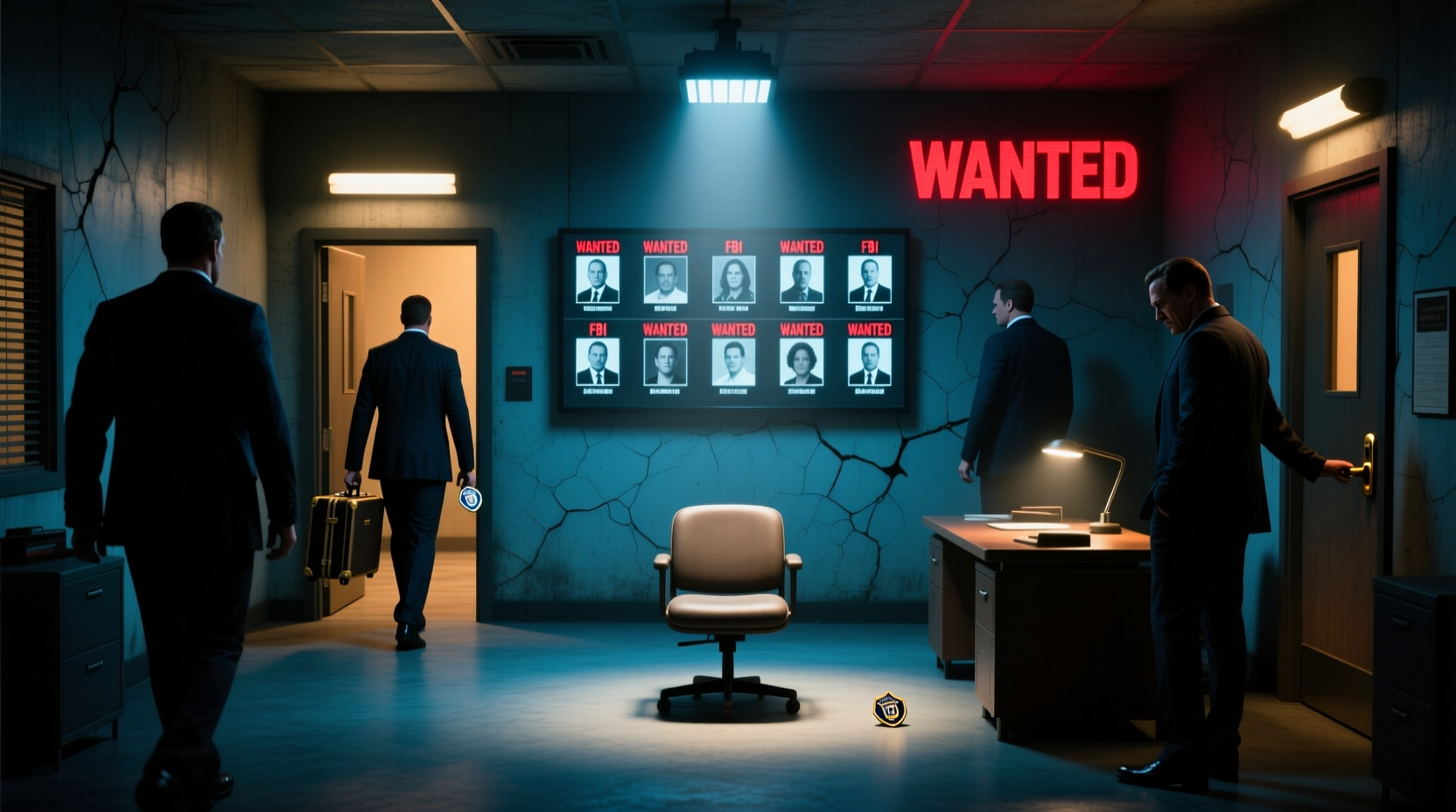
Since its premiere, FBI: Most Wanted has experienced multiple high-profile departures. Notable exits include:
- Jubal Valentine (Jeremy Sisto) – Though a mainstay in the original FBI, his appearances in Most Wanted diminished over time.
- Tasha Rojas (Roxy Sternberg) – Departed in Season 4 after being a core team member since Season 2.
- Kenny Crosby (Keisha Castle-Hughes) – Left abruptly in Season 3 following a storyline involving trauma and reassignment.
- Ray Cannon (Miguel Gomez) – Exited mid-Season 5, with his character relocating for personal reasons.
These aren’t isolated incidents but part of a broader pattern affecting many CBS procedurals. Unlike serialized dramas where continuity is crucial, procedural shows often prioritize episodic storytelling, allowing for greater flexibility in casting. Still, repeated cast turnover can disrupt viewer attachment and weaken long-term character development.
Why Are Actors Leaving?
The reasons behind cast changes on FBI: Most Wanted are multifaceted, ranging from contractual negotiations to personal career goals and network decisions.
Creative Direction and Story Arcs
Showrunner René Balcer and later Emily Halpern have emphasized realism and emotional depth in character arcs. Some departures were driven by narrative logic—agents reassigned, retiring, or dealing with personal crises. For example, Kenny Crosby’s exit stemmed from PTSD following a violent confrontation, a storyline designed to reflect real-world challenges faced by law enforcement personnel.
“We don’t want characters to stay just because they’re popular. If the story demands growth or departure, we follow that path.” — Emily Halpern, Executive Producer
Contractual and Scheduling Conflicts
Many actors on CBS procedurals work under multi-year contracts that allow for renegotiation or early exit clauses. Industry insiders suggest that some cast members sought opportunities in film, theater, or other TV projects. Additionally, the demanding filming schedule in New York—often 9–10 months per season—can lead to burnout, prompting actors to step back.
Network Strategy and Franchise Expansion
CBS operates a shared universe across FBI, FBI: Most Wanted, and FBI: International. This interconnected model allows for cross-casting and character transfers. Some “departures” from Most Wanted are not true exits but reassignments within the franchise. For instance, certain guest stars appear across all three series, creating continuity while enabling flexible casting.
Impact on the Show’s Future
While cast rotation is common in procedurals, excessive turnover risks alienating viewers who form emotional bonds with characters. FBI: Most Wanted faces the challenge of maintaining authenticity while adapting to change.
Narrative Consistency vs. Fresh Energy
New characters bring diversity and new dynamics. The introduction of Special Agent Kristin Gaines (Alana de la Garza) in Season 5 added a seasoned leader with a complex past, revitalizing team interactions. However, frequent introductions require significant screen time for backstory, potentially reducing focus on case-of-the-week plots.
| Cast Change Impact | Positive Effect | Risk |
|---|---|---|
| Introducing new agents | Fresh perspectives, diverse backgrounds | Slower integration, less depth |
| Long-term departures | Realistic portrayal of job turnover | Loss of audience favorites |
| Cross-franchise movement | Shared universe cohesion | Confusion for casual viewers |
Viewer Retention and Ratings
According to Nielsen data, FBI: Most Wanted maintained an average of 8–10 million viewers per episode through Season 5, despite cast changes. However, social media sentiment analysis reveals growing concern among dedicated fans. Reddit threads and fan forums frequently question whether the show is losing its identity. While CBS has not indicated cancellation, sustained audience erosion could influence renewal decisions beyond Season 6.
What Fans Can Do: A Viewer’s Checklist
Though viewers don’t control casting decisions, their engagement influences network priorities. Here’s how fans can help shape the show’s future:
- Watch live or within 7 days – Same-day ratings still matter for ad revenue and renewal talks.
- Engage on social media – Use official hashtags like #FBIOnCBS to express support for favorite characters.
- Participate in network surveys – CBS occasionally sends viewer feedback requests; respond when possible.
- Support cast members’ other projects – Actors are more likely to return if they feel appreciated.
- Avoid spoilers and toxic discourse – Constructive feedback fosters better dialogue with producers.
Real Example: The Case of Ray Cannon’s Exit
In Season 5, Episode 12, “Blood Ties,” Ray Cannon (Miguel Gomez) made the decision to leave the task force to reconnect with his estranged daughter in Texas. The episode blended action with emotional depth, showing Cannon resolving a human trafficking case while confronting his past as a single father.
This storyline was praised by critics for handling departure with dignity. Unlike abrupt exits seen in other procedurals, Cannon’s arc gave closure and honored his contributions. Fan response on Twitter and IMDb reflected appreciation for the thoughtful writing, proving that well-executed exits can maintain goodwill even during transition.
“When a character leaves for personal growth rather than drama, it feels real. That’s what I respect about this show.” — @TrueCrimeFan87, Twitter user
FAQ: Common Questions About Cast Changes
Will any departed actors return to FBI: Most Wanted?
Possible, but not guaranteed. CBS has brought back former cast members for crossover episodes. Jeremy Sisto (Jubal Valentine) has appeared in multiple seasons across the franchise, suggesting doors remain open for guest returns.
Is FBI: Most Wanted getting canceled?
No. As of May 2024, CBS renewed the series for a sixth season. Production is set to resume in late summer, indicating continued confidence in the format despite cast shifts.
Why doesn’t the show keep the same team like Law & Order?
Unlike Law & Order, which emphasizes institutional continuity, FBI: Most Wanted focuses on the transient nature of fugitive hunting. Agents are often reassigned, reflecting real FBI protocols. This allows narrative flexibility but sacrifices long-term team chemistry.
Looking Ahead: The Future of the Series
With Season 6 confirmed, FBI: Most Wanted is poised to continue its mission-driven storytelling. Producers have hinted at deeper exploration of agent psychology, including moral dilemmas and ethical gray zones in pursuit of justice. There are also plans to expand international cases, aligning with the broader franchise’s global turn.
However, sustaining audience trust will depend on how new characters are integrated. Writers must balance procedural efficiency with emotional investment. One strategy could be longer arc-based storytelling, where agents face multi-episode challenges that build loyalty and depth.
Conclusion: Embracing Change Without Losing Identity
The cast changes on FBI: Most Wanted reflect both the realities of television production and the evolving nature of modern law enforcement narratives. While fans may mourn the loss of beloved agents, the show continues to adapt with purpose. Its strength lies in its mission—not just catching fugitives, but exploring the human cost of that pursuit.
The future of the series depends not only on CBS’s strategy but on the audience’s willingness to embrace new faces and evolving stories. By staying engaged, supporting thoughtful storytelling, and recognizing the balance between realism and entertainment, viewers can help ensure FBI: Most Wanted remains a vital part of the crime drama landscape for years to come.




 浙公网安备
33010002000092号
浙公网安备
33010002000092号 浙B2-20120091-4
Comments
No comments yet. Why don't you start the discussion?