
In recent months, it’s become impossible to scroll through anime communities, TikTok timelines, or even mainstream entertainment news without encountering references to early 2000s anime. Series like *Cowboy Bebop*, *Spirited Away*, *Samurai Champloo*, *Fullmetal Alchemist*, and *Ghost in the Shell: Stand Alone Complex* are not just being rewatched—they’re being celebrated with renewed cultural reverence. What was once considered niche nostalgia has evolved into a full-blown revival. But what exactly is driving this sudden wave of affection for turn-of-the-millennium anime?
The answer lies at the intersection of digital accessibility, generational sentiment, artistic recognition, and a growing desire for storytelling depth in an age of algorithm-driven content. The early 2000s were a pivotal era for anime—one that bridged analog craftsmanship with emerging digital techniques, produced genre-defining narratives, and introduced Western audiences to Japanese animation on a scale never seen before. Now, a new generation is discovering these works, while older fans are revisiting them with fresh eyes.
A Cultural Time Capsule Worth Reopening
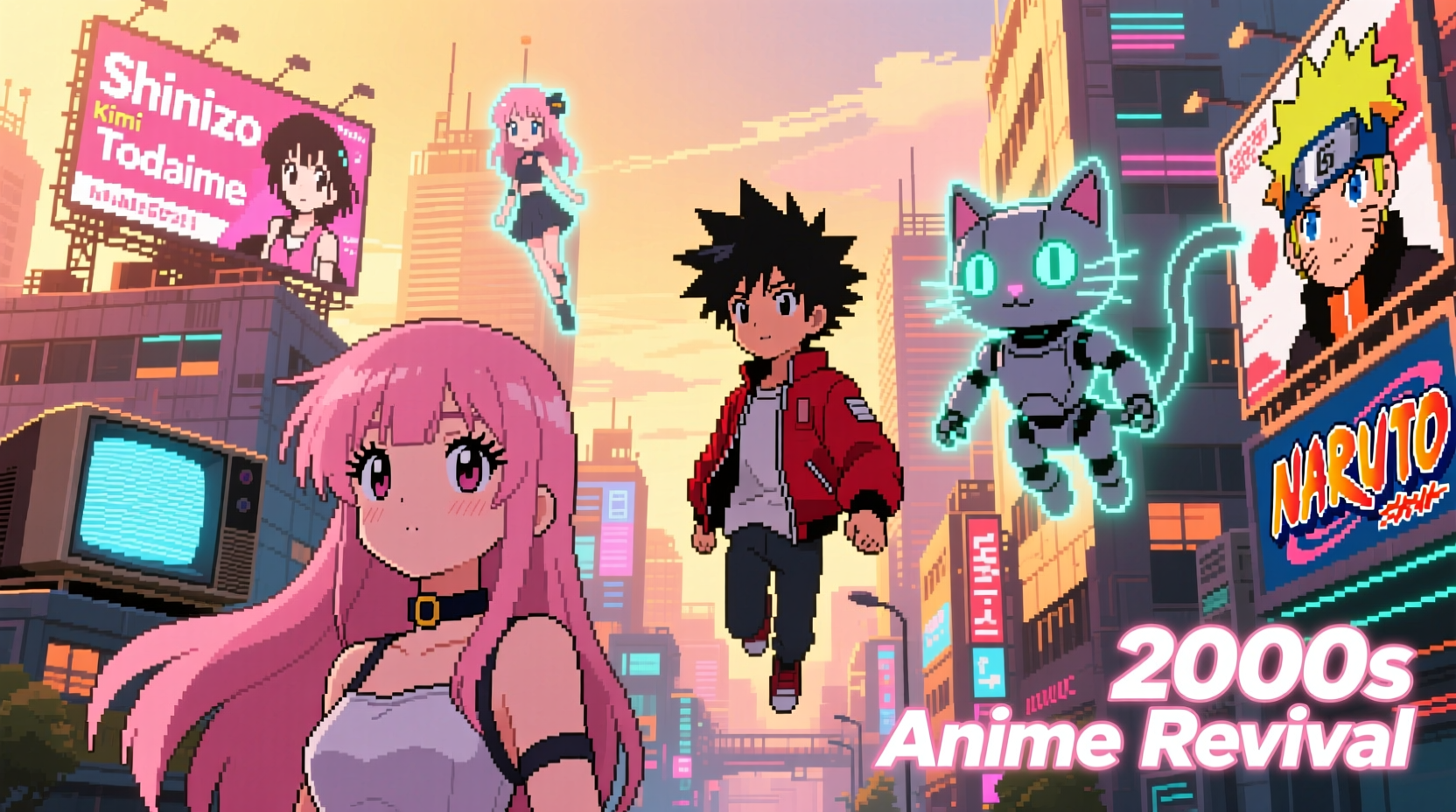
The early 2000s marked a golden period in anime history. It was a time when studios like Sunrise, Studio Ghibli, Bones, and Production I.G were producing works that balanced experimental visuals with emotionally resonant writing. Unlike today’s hyper-specialized genres, many series from this era embraced genre fluidity—blending cyberpunk, jazz, samurai drama, and existential philosophy into cohesive, cinematic experiences.
Take *Cowboy Bebop* (1998–1999), which gained widespread acclaim in the early 2000s. Its fusion of noir storytelling, space western aesthetics, and a live-recorded jazz soundtrack created a sensory experience unlike anything else on television at the time. Similarly, *Spirited Away* (2001) wasn’t just a children’s fantasy film—it was a meditation on identity, capitalism, and environmental decay, earning an Academy Award and global recognition.
These works weren’t designed solely for escapism. They invited viewers to reflect, question, and feel. In an era dominated by fast-paced, disposable content, modern audiences are craving substance—and they’re finding it in these older titles.
“Anime from the early 2000s had a sense of authorship. Directors like Watanabe, Miyazaki, and Ishii weren’t just making shows—they were making statements.” — Dr. Akari Nakamura, Media Historian, Kyoto University
Digital Accessibility Fuels Rediscovery
One of the biggest catalysts for this retro anime surge is availability. Platforms like Crunchyroll, Netflix, Hulu, and HiDive have systematically acquired and restored classic anime series, making them accessible with high-definition remasters and professional English dubs. Where once fans had to rely on VHS tapes or low-quality DVD rips, they can now stream *Fruits Basket* (2001) or *Wolf’s Rain* (2003) in crisp quality with subtitles and surround sound.
This ease of access removes the friction that once limited exposure. A teenager in Brazil can watch *Ergo Proxy* on Netflix, discuss its philosophical themes on Reddit, and create fan art shared globally—all within hours. Algorithms also play a role: once a viewer watches one retro title, recommendation engines suggest similar classics, creating a self-sustaining cycle of rediscovery.
Moreover, official releases mean legitimacy. When a studio like GKIDS restores and re-releases *Spirited Away* in theaters, it signals cultural importance. These aren’t just old cartoons—they’re recognized works of art.
Generational Nostalgia Meets New-Age Appreciation
Nostalgia is a powerful force, but it’s not the only driver. Many current fans weren’t even born when *InuYasha* premiered in 2000. Instead, they’re drawn to the aesthetic authenticity, narrative pacing, and thematic ambition of these shows. Unlike today’s binge-model series, early 2000s anime often unfolded slowly, allowing characters and worlds to breathe.
Consider *Fullmetal Alchemist* (2003). While it began as a faithful adaptation of Hiromu Arakawa’s manga, it diverged into an original storyline due to the manga’s ongoing publication. This improvisation led to a darker, more philosophical arc centered on human transmutation, militarism, and the cost of immortality. Fans praise its emotional weight and moral complexity—qualities that resonate deeply in today’s socially conscious climate.
Meanwhile, older viewers who first watched these series as teens are returning to them with mature perspectives. What once seemed like a simple adventure now reveals layers of political allegory, trauma, and identity. This dual appeal—nostalgic comfort for some, profound discovery for others—fuels the trend’s sustainability.
Case Study: The Resurgence of *Samurai Champloo*
In 2023, Spotify reported a 300% year-over-year increase in streams for *Samurai Champloo*’s soundtrack, composed by Nujabes and Fat Jon. The show, which aired from 2004 to 2005, blends Edo-period Japan with hip-hop culture, breakdancing, and turntablism. At the time, it was considered avant-garde. Today, it’s seen as prophetic.
Music producers, streetwear brands, and anime influencers have embraced its aesthetic. Collaborations between anime distributors and fashion labels have brought *Champloo*-themed apparel to stores like Uniqlo and Dover Street Market. TikTok edits set to Nujabes’ “Aruarian Dance” have amassed over 50 million views collectively. What was once a cult favorite is now a lifestyle symbol.
This revival isn’t accidental. It reflects a broader cultural shift toward hybrid identities and cross-genre inspiration—values embedded in the show’s DNA.
The Aesthetic Appeal of Analog-Digital Hybrid Animation
Technically, early 2000s anime occupies a unique space in animation history. It was the last era where hand-drawn cels were still used alongside emerging digital ink-and-paint systems. The result? A visual texture that feels organic yet precise. Backgrounds were painted by hand, giving cities and forests a dreamlike depth. Motion retained a slight imperfection—lines wavered, shadows shifted—that modern CGI often smooths out.
Fans describe this look as “warm” or “human.” In contrast, contemporary anime frequently relies on 3D models, motion capture, and digital effects that, while efficient, can feel sterile. There’s a growing appreciation for the labor-intensive craftsmanship behind retro animation—a sentiment mirrored in the vinyl revival and film photography trends.
Additionally, the limitations of the time fostered creativity. With fewer resources, directors had to rely on strong writing, music, and composition to convey emotion. Silence, stillness, and long takes were common—tools increasingly rare in today’s visually saturated landscape.
Do’s and Don’ts of Exploring Retro Anime
| Do | Don’t |
|---|---|
| Start with critically acclaimed gateway series like *Cowboy Bebop* or *Spirited Away* | Rush through episodes—many benefit from slow, reflective viewing |
| Watch in original Japanese with subtitles when possible for authentic voice acting | Dismiss older animation quality—embrace the stylistic charm |
| Explore the music and art direction as standalone art forms | Assume all retro anime are family-friendly—many contain mature themes |
| Join online communities to discuss themes and interpretations | Compare directly to modern anime using today’s standards |
Why Modern Content Feels Hollow in Comparison
Many fans argue that contemporary anime lacks the boldness of its predecessors. While today’s productions boast higher budgets and technical polish, they often prioritize marketability over message. Franchises are extended indefinitely, sequels are rushed, and character arcs are stretched thin to maximize merchandise sales.
In contrast, early 2000s anime often had clear endings and finite runs. *Wolf’s Rain*, despite its tragic conclusion, delivered a complete narrative about hope and extinction. *Paranoia Agent* (2004), directed by Satoshi Kon, was a 13-episode psychological thriller that dissected societal anxiety with surgical precision. These shows didn’t need spin-offs—they made their point and concluded.
As audiences grow weary of endless reboots and formulaic shonen battles, they’re turning to older works that offer closure, ambiguity, and intellectual challenge. The early 2000s offered a brief window where creative risk-taking was rewarded—not just by critics, but by passionate fanbases willing to engage deeply.
Actionable Checklist: How to Dive Into Early 2000s Anime
- ✅ Identify your preferred genre (e.g., sci-fi, fantasy, drama) and match it to a classic title
- ✅ Choose a reputable streaming platform with licensed, high-quality versions
- ✅ Watch at least 3–4 episodes before judging—pacing was slower back then
- ✅ Research the director or studio to understand artistic intent
- ✅ Listen to the soundtrack separately—music was integral to storytelling
- ✅ Read interviews or commentary tracks to gain context about production challenges
- ✅ Engage with fan forums or Discord groups to deepen understanding
FAQ: Common Questions About the Retro Anime Revival
Is this trend just nostalgia, or is there real artistic merit?
While nostalgia plays a role, the enduring appeal stems from genuine artistic strength. Shows like *Millennium Actress* and *Tokyo Godfathers* are studied in film schools for their narrative structure and visual symbolism. Their themes—memory, redemption, isolation—are timeless.
Are remastered versions true to the original?
Most official remasters preserve the original animation while enhancing resolution and color grading. However, some purists argue that certain digital clean-ups remove intentional grain or texture. Whenever possible, compare side-by-side versions to decide which aesthetic you prefer.
Can I enjoy these shows without knowing Japanese culture?
Absolutely. While cultural context enriches the experience, many themes are universal. Studios now include educational liner notes and director commentaries to help international audiences connect with the material.
Conclusion: A Movement, Not Just a Trend
The resurgence of early 2000s anime isn’t a fleeting fad. It’s a cultural recalibration—a collective realization that some stories don’t age; they mature. As newer generations confront complex realities, they’re finding wisdom, beauty, and rebellion in these decades-old frames.
Whether you’re revisiting childhood favorites or discovering them for the first time, there’s never been a better moment to engage with this rich era of animation. These aren’t just shows. They’re time capsules, manifestos, and masterclasses in visual storytelling.




 浙公网安备
33010002000092号
浙公网安备
33010002000092号 浙B2-20120091-4
Comments
No comments yet. Why don't you start the discussion?